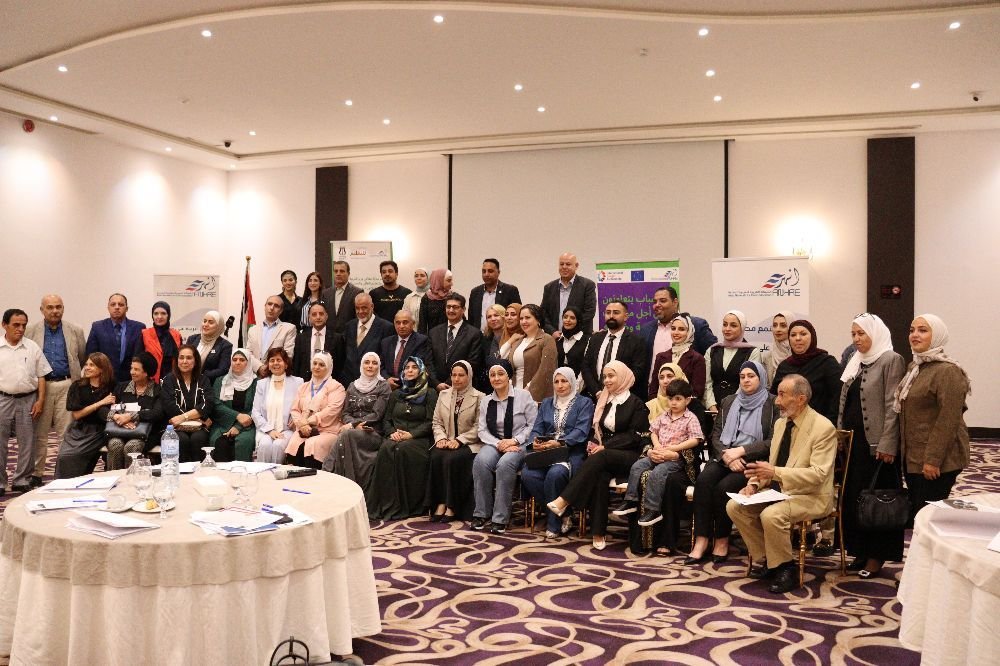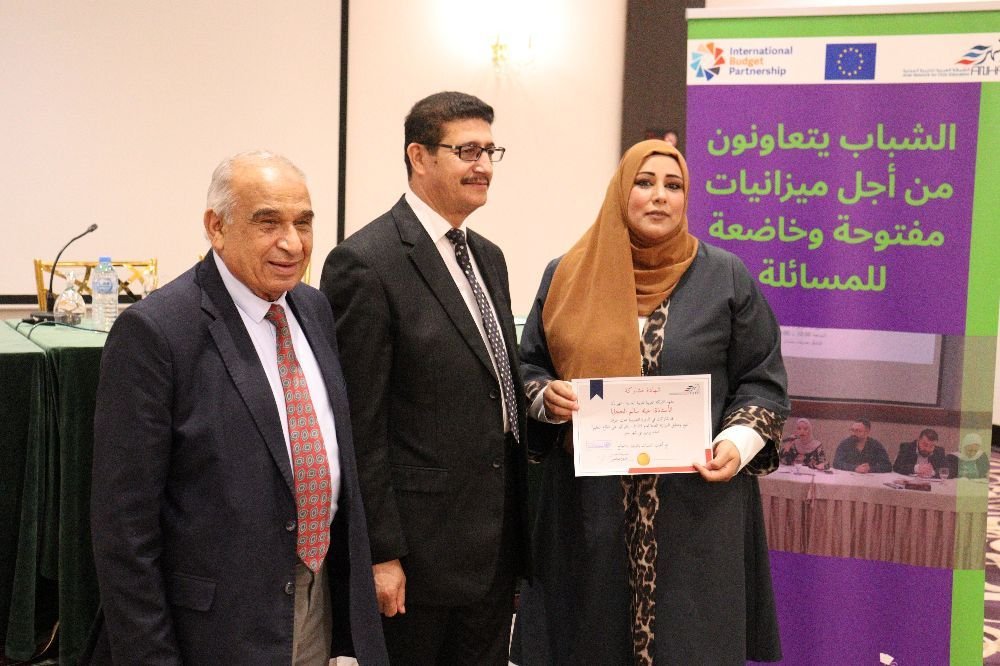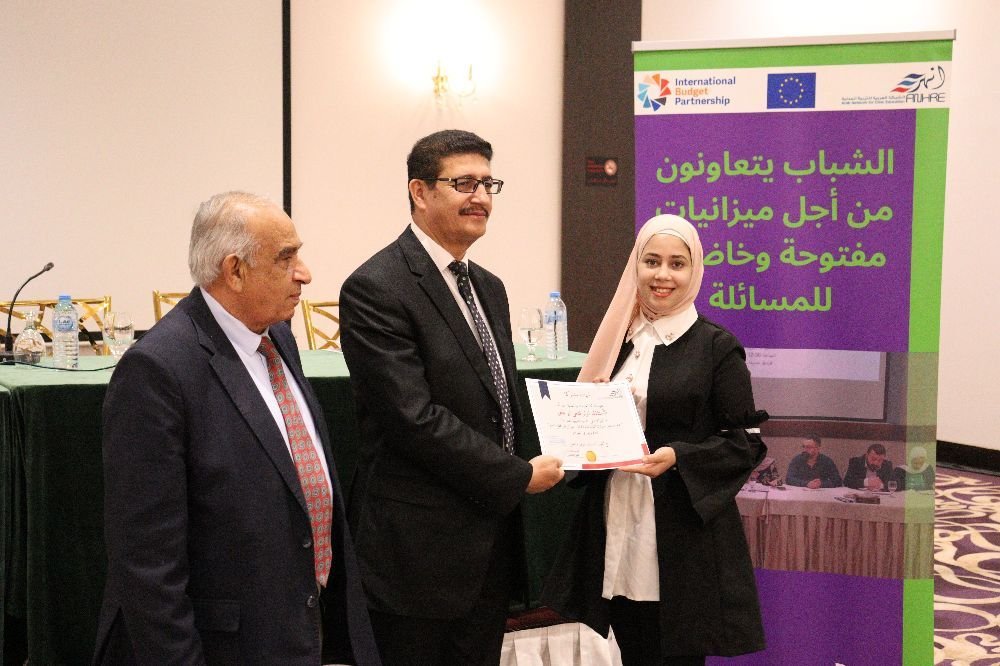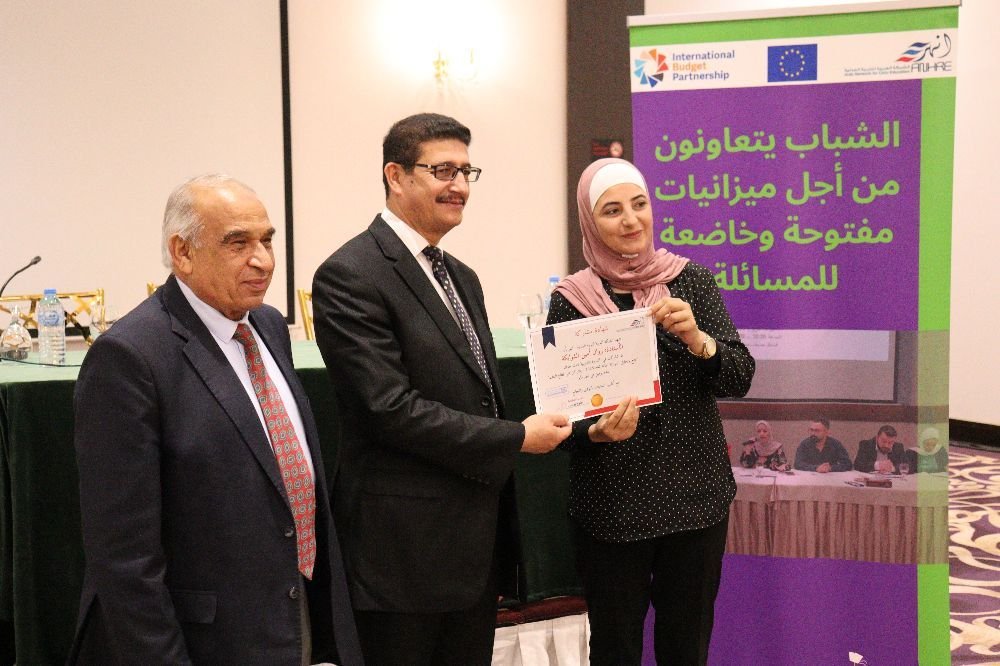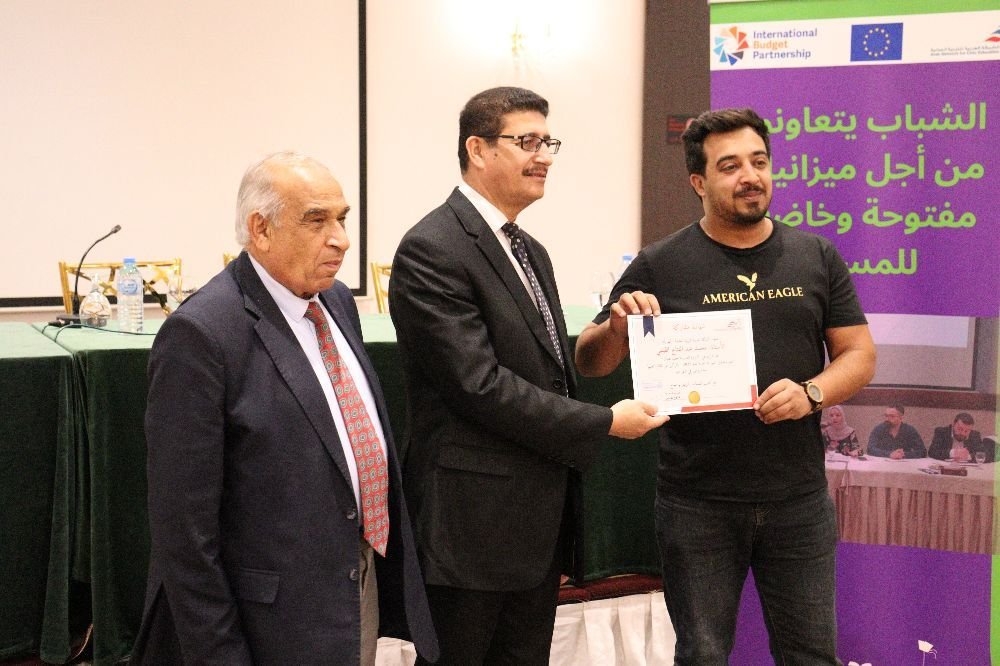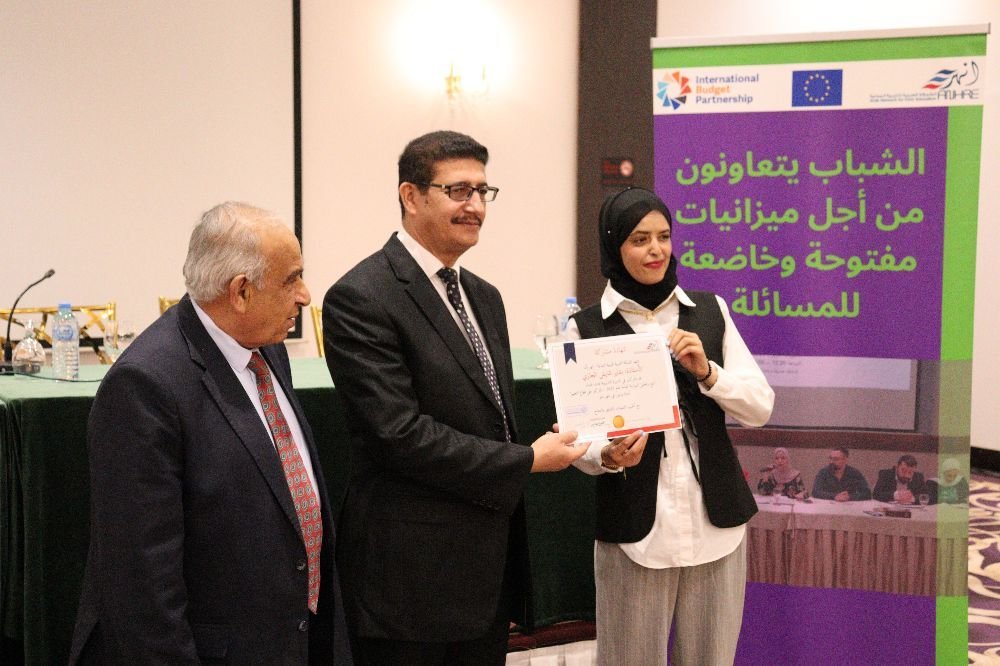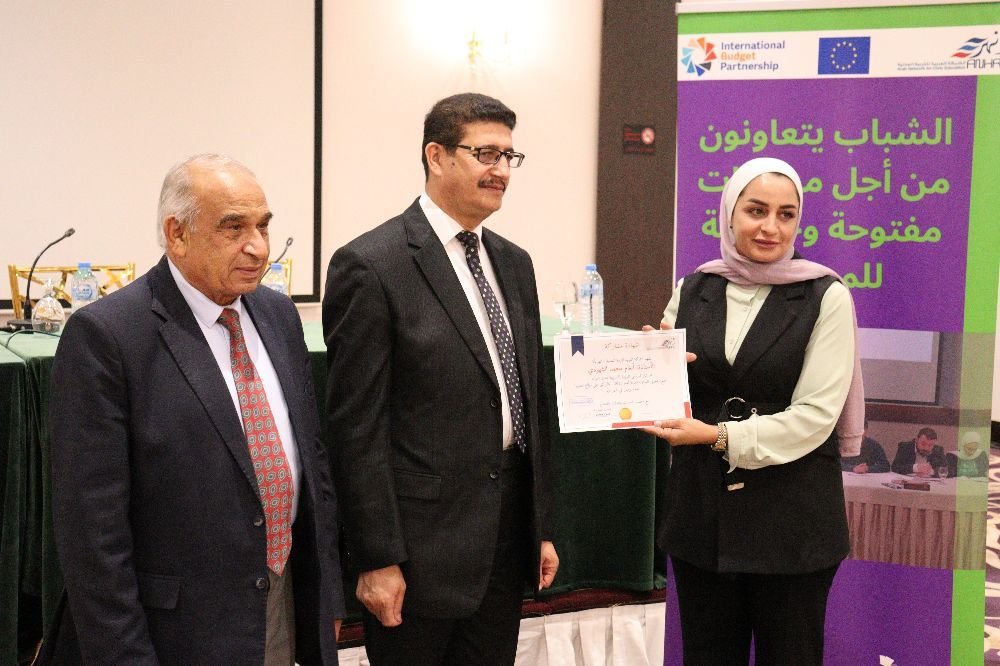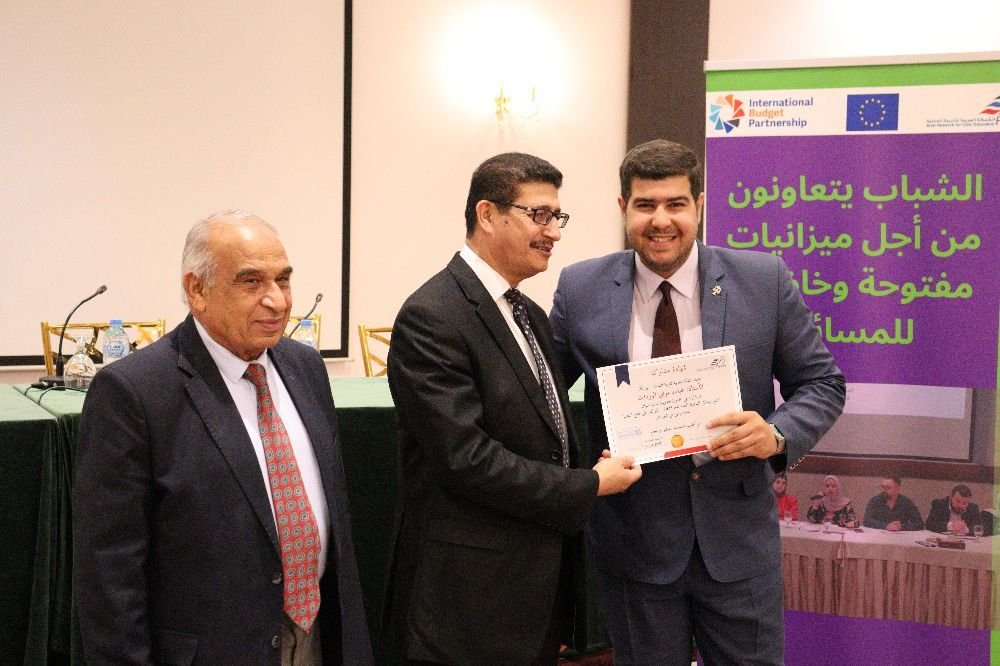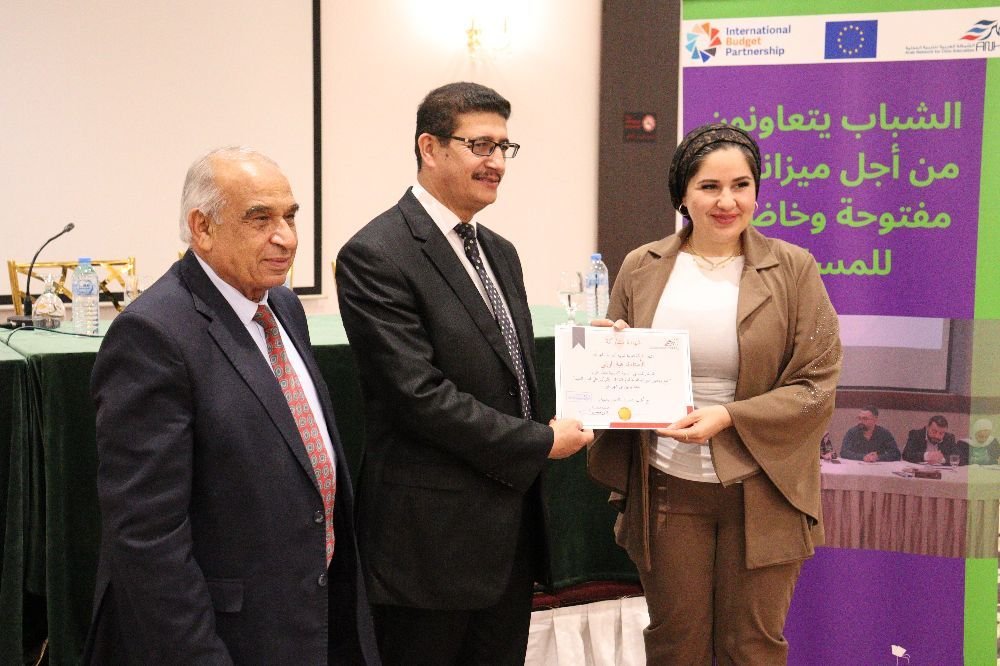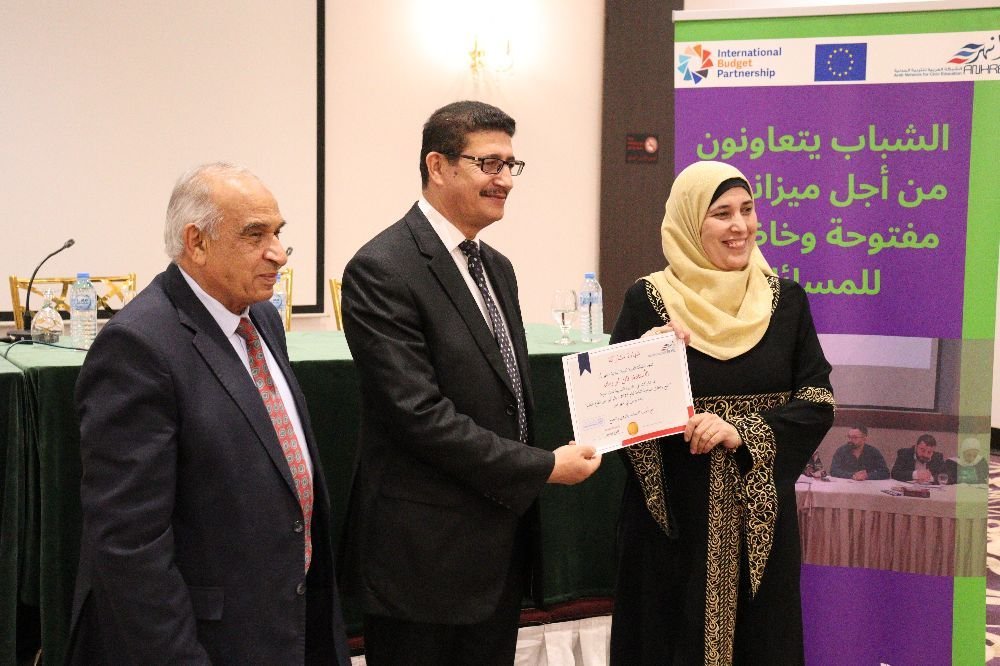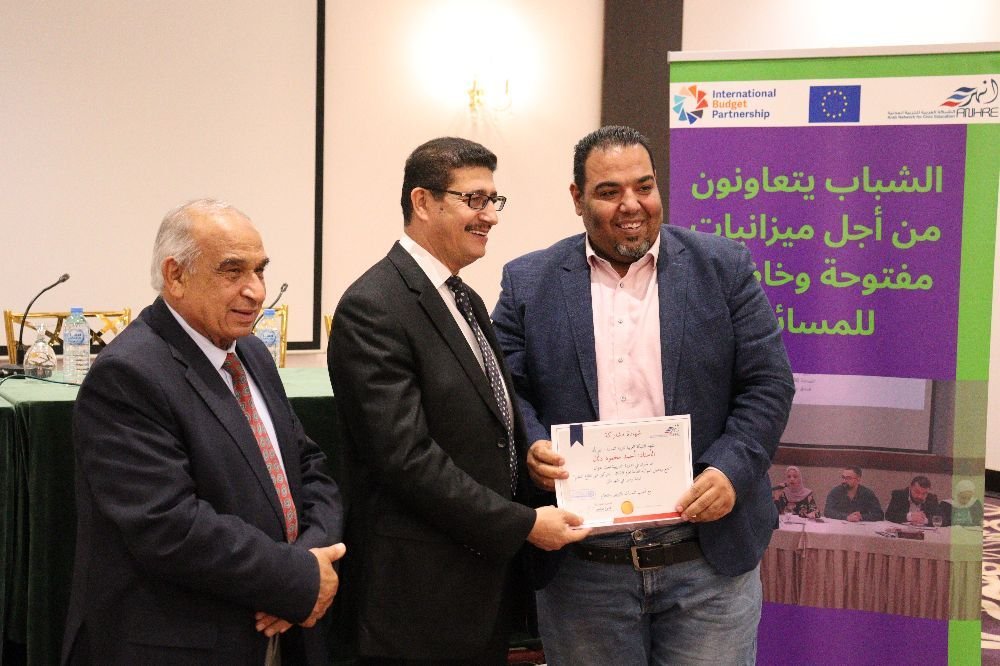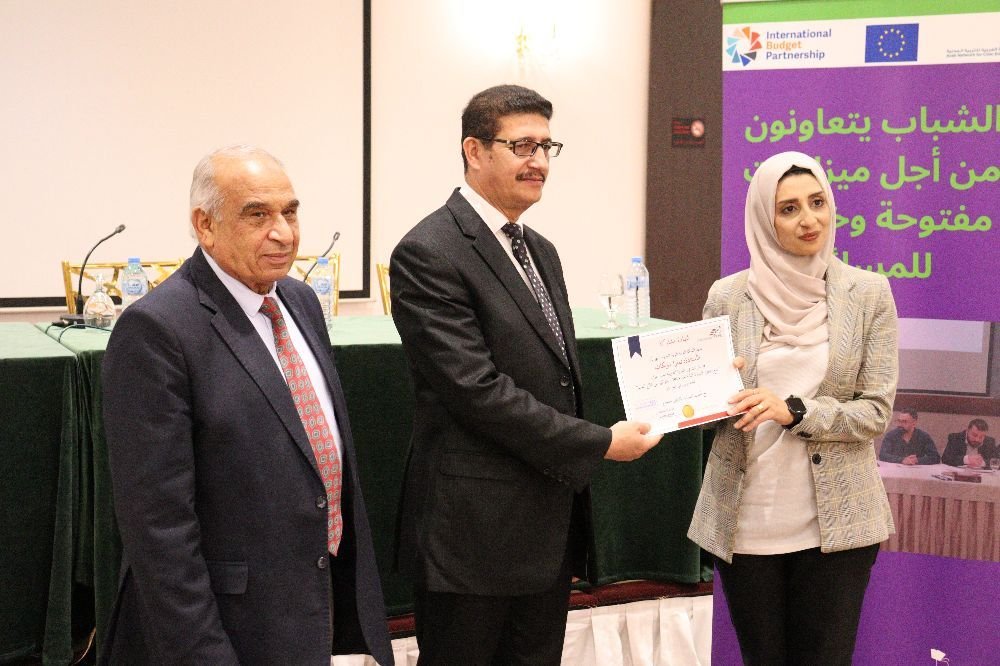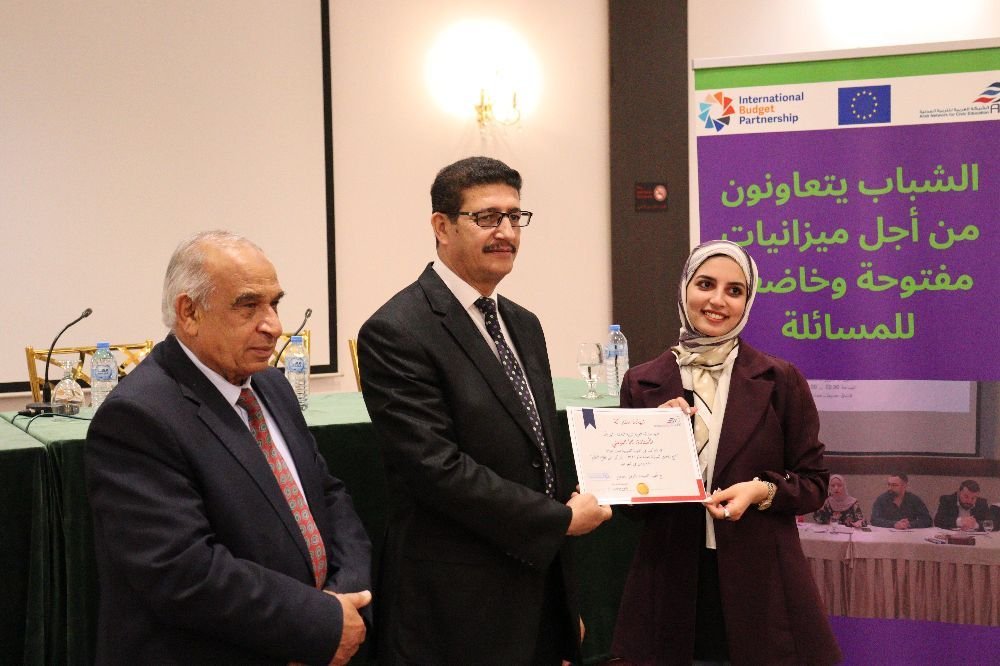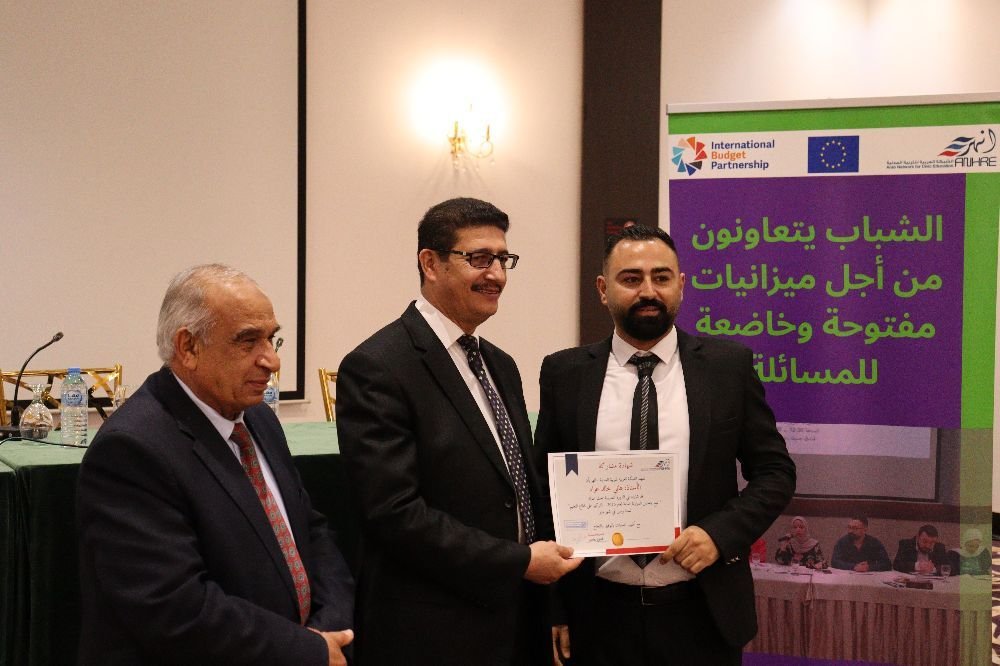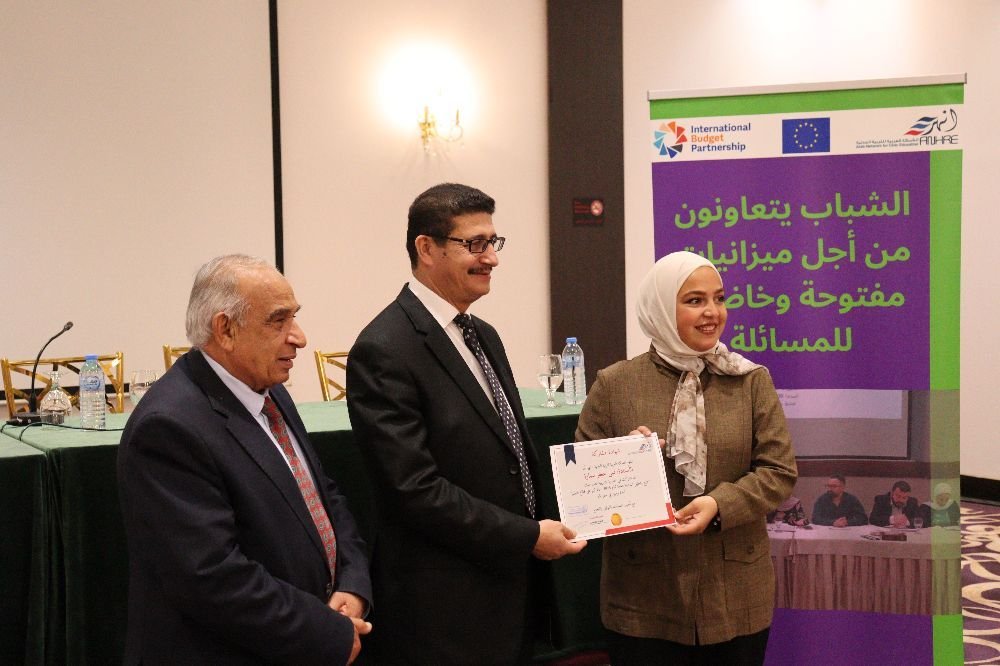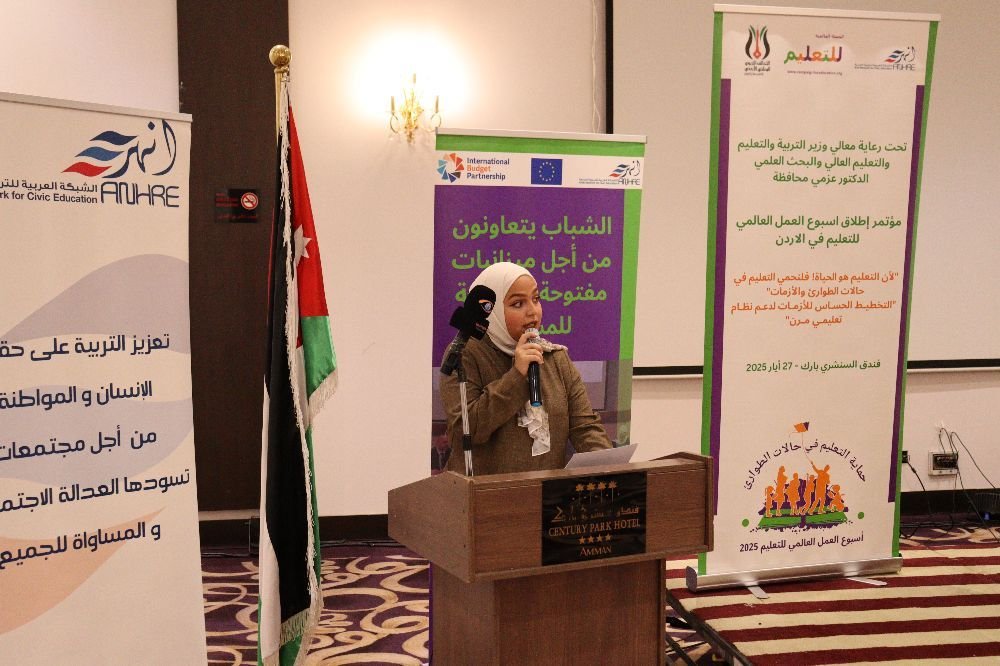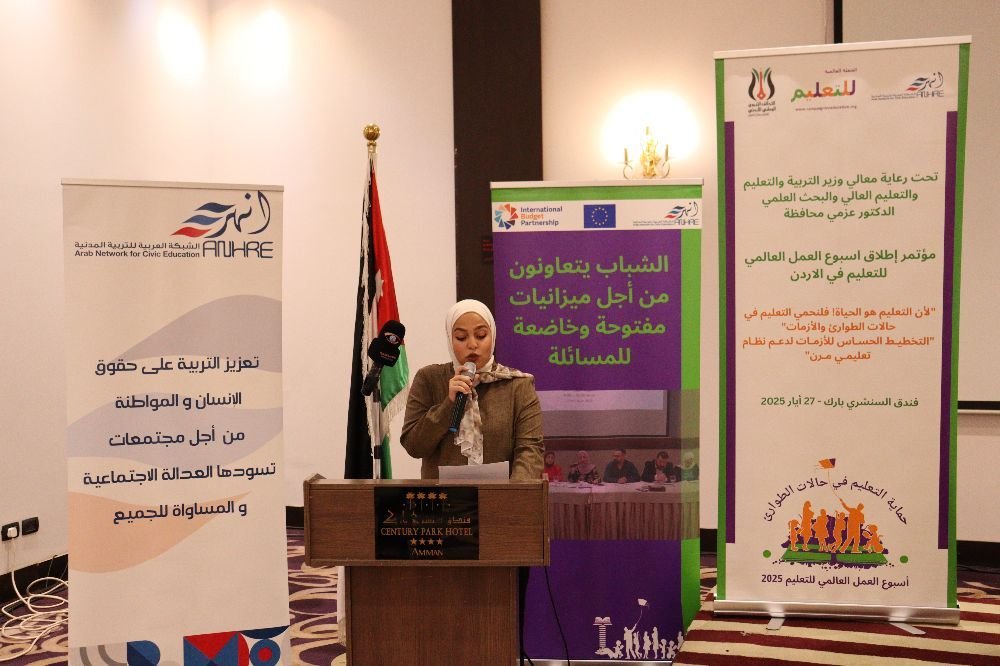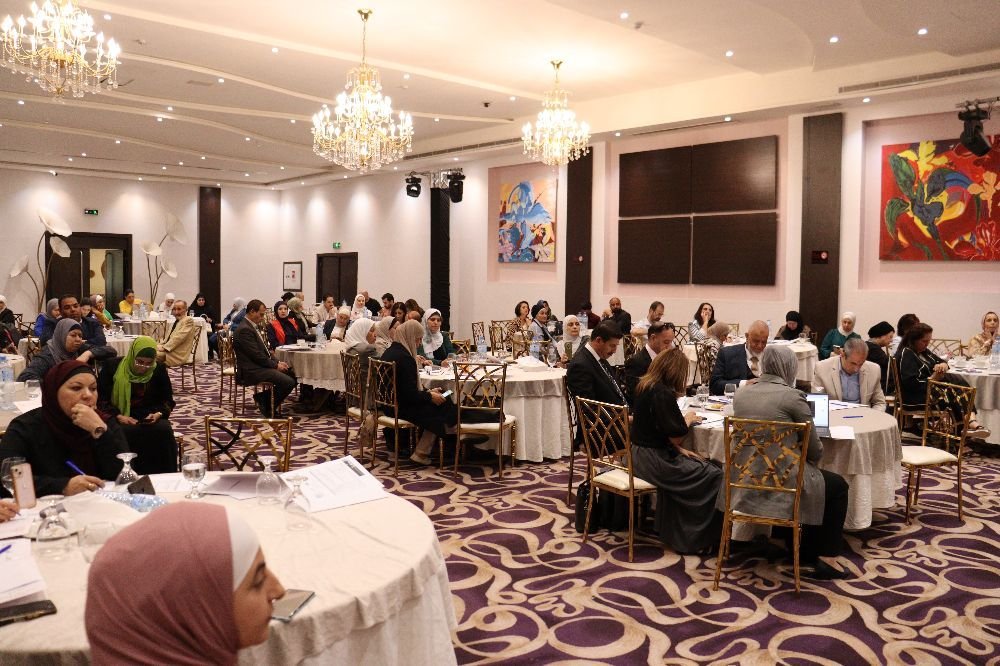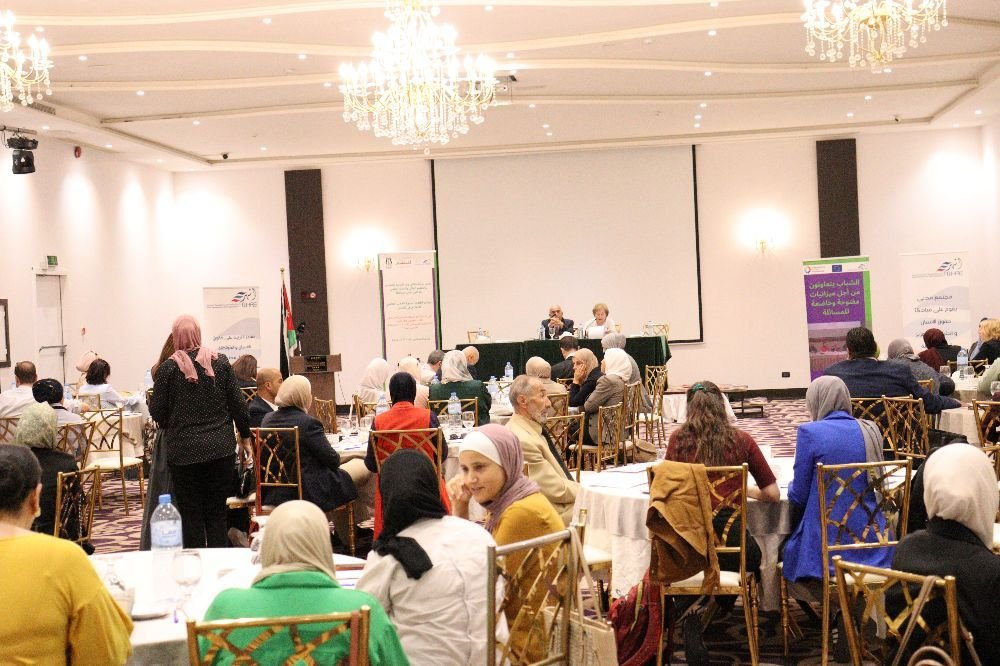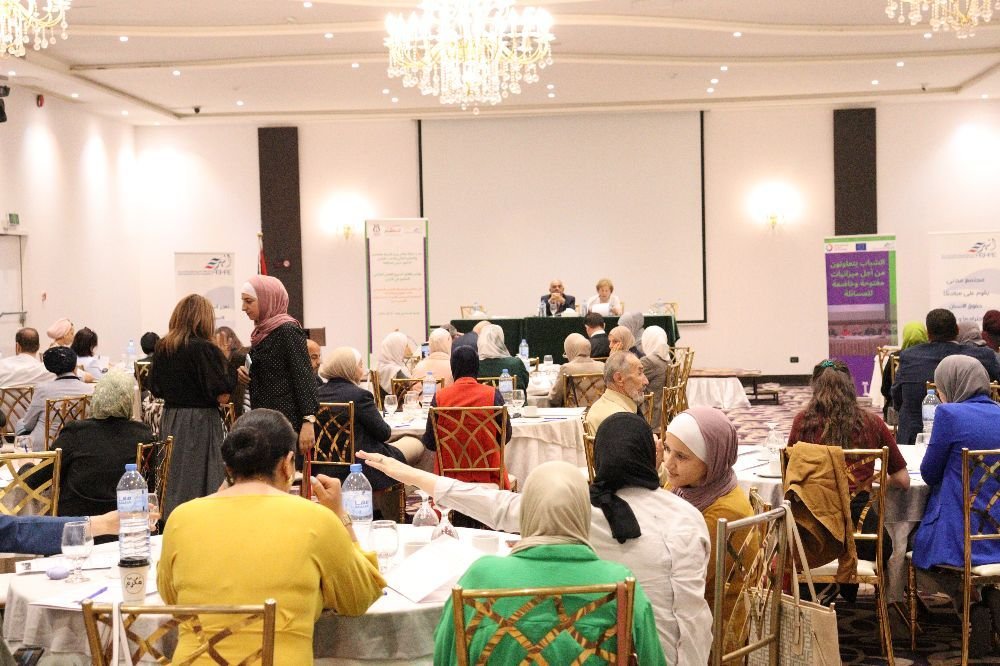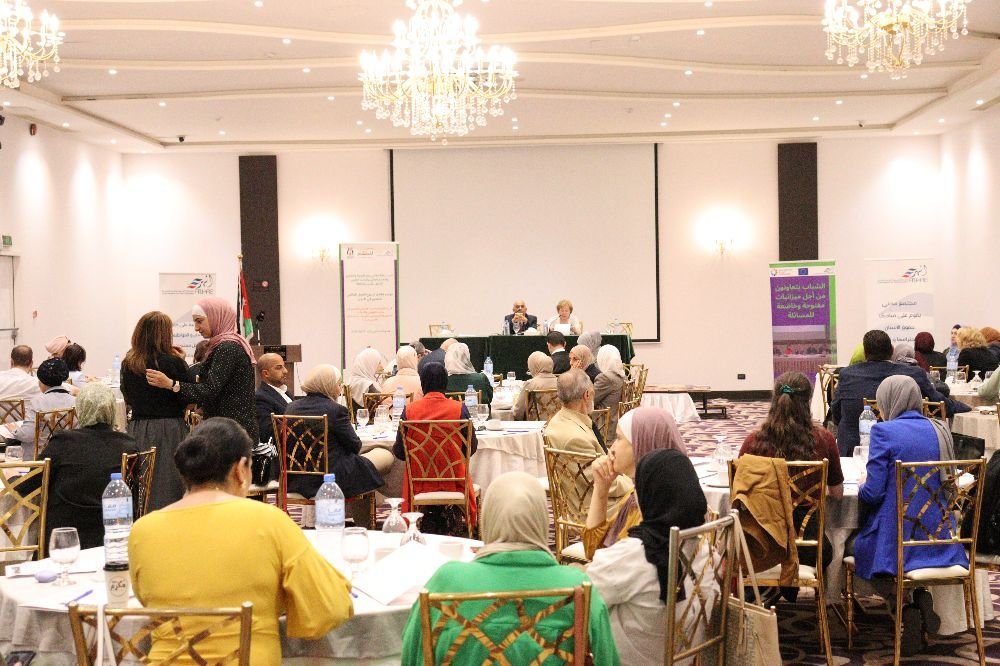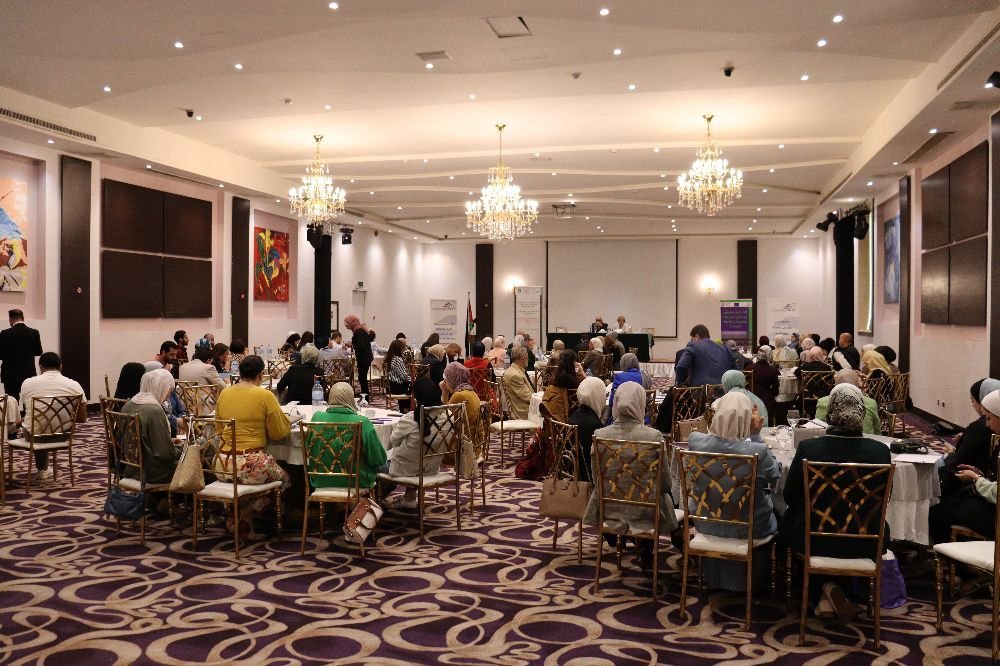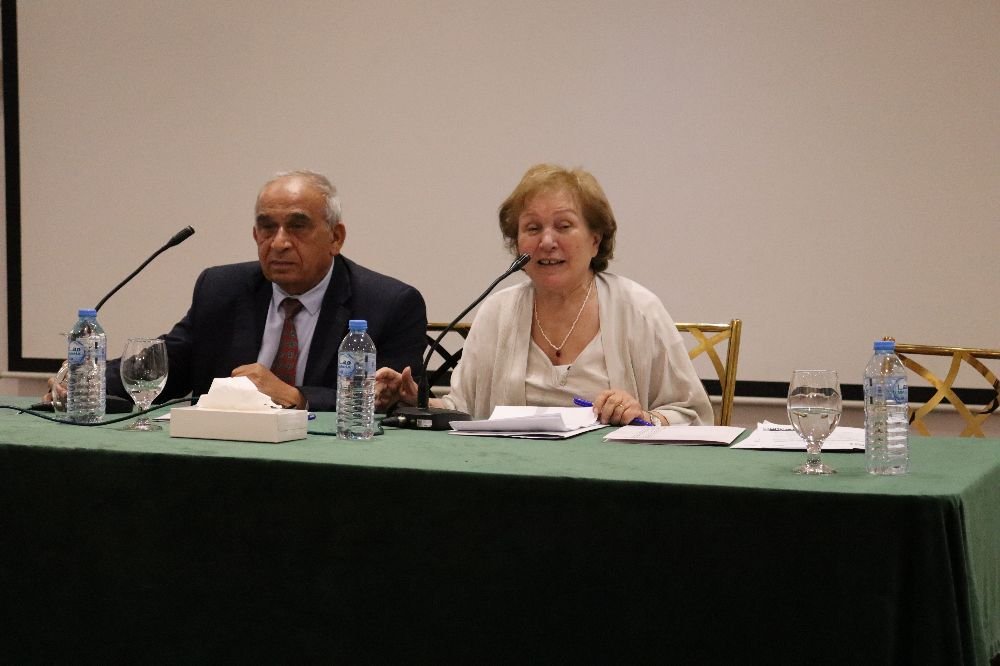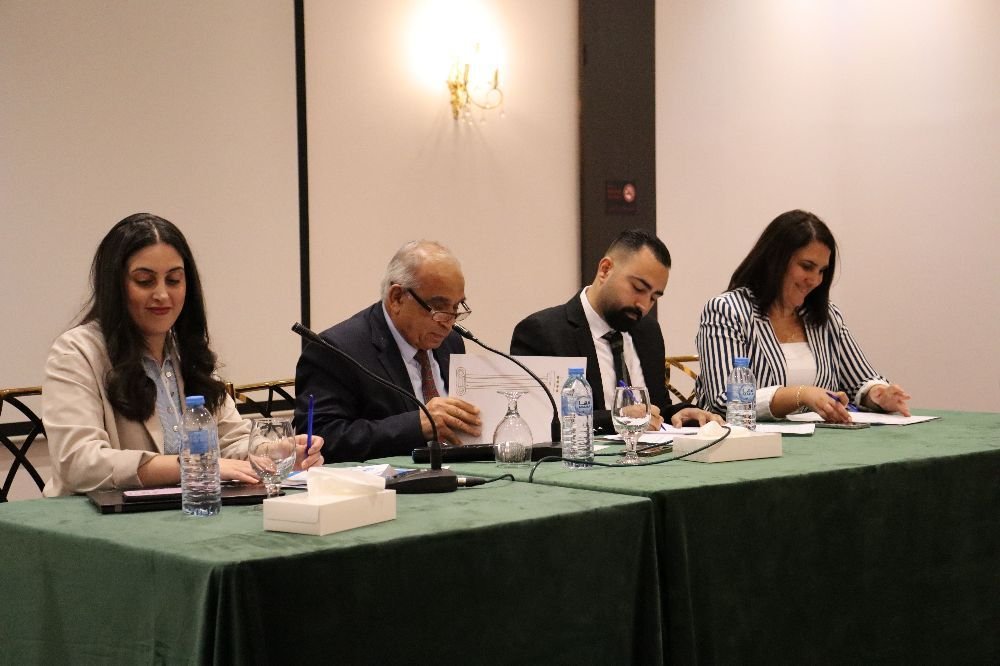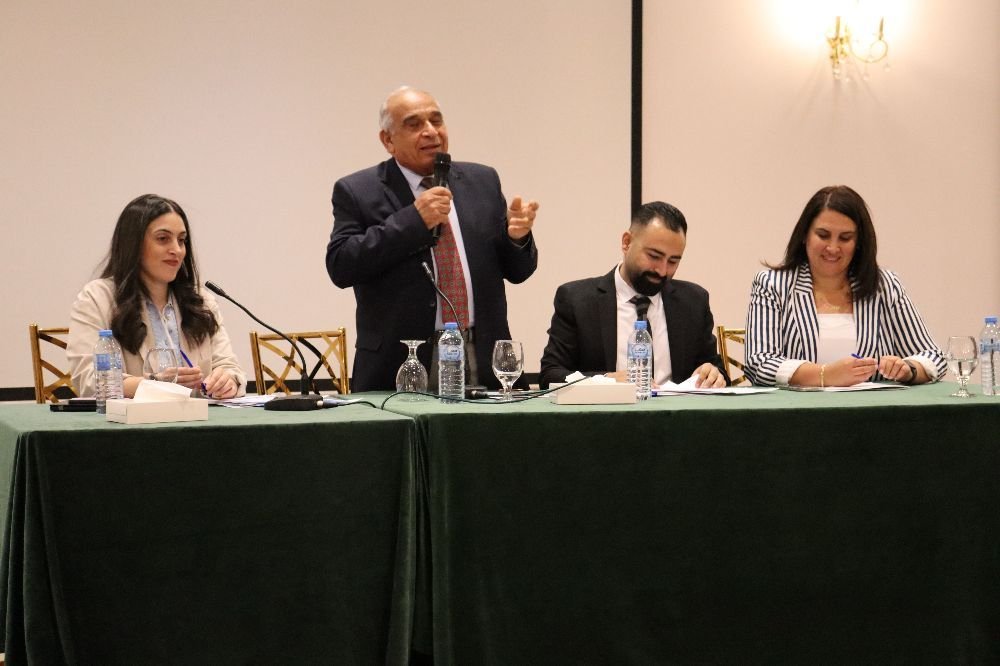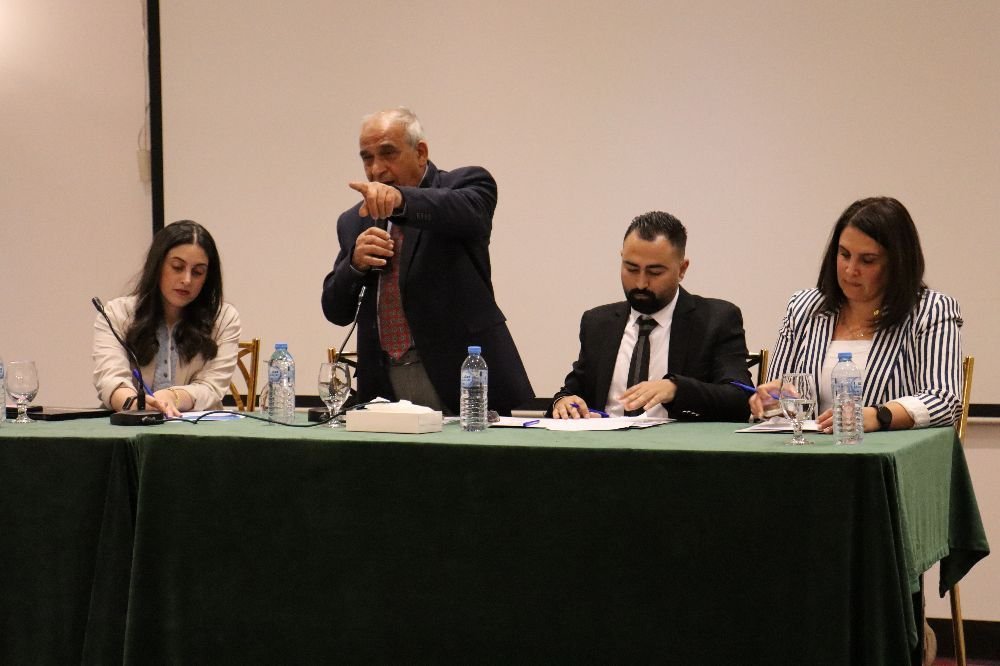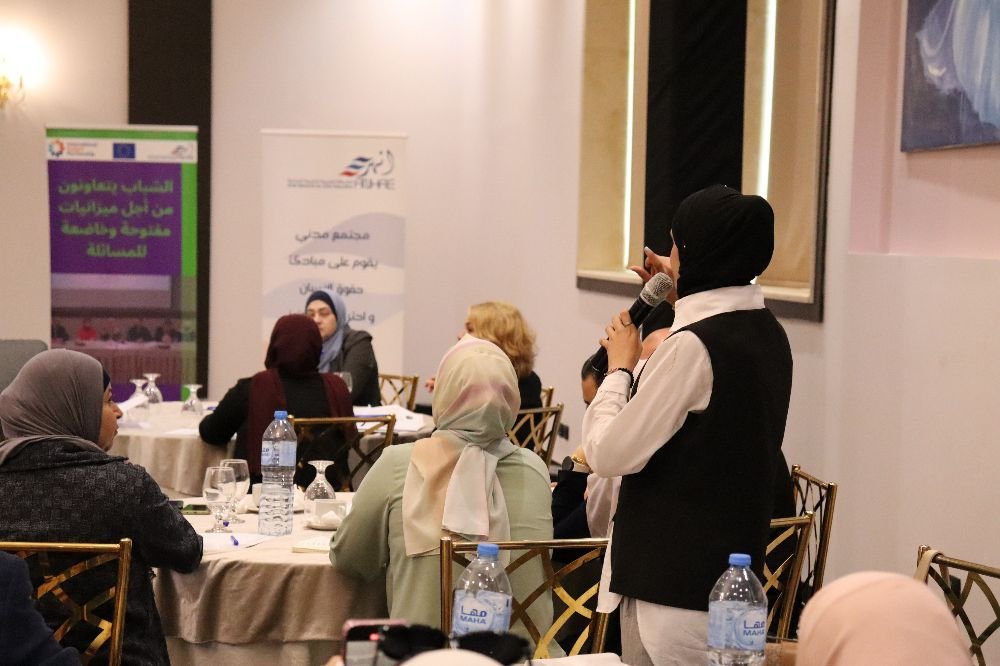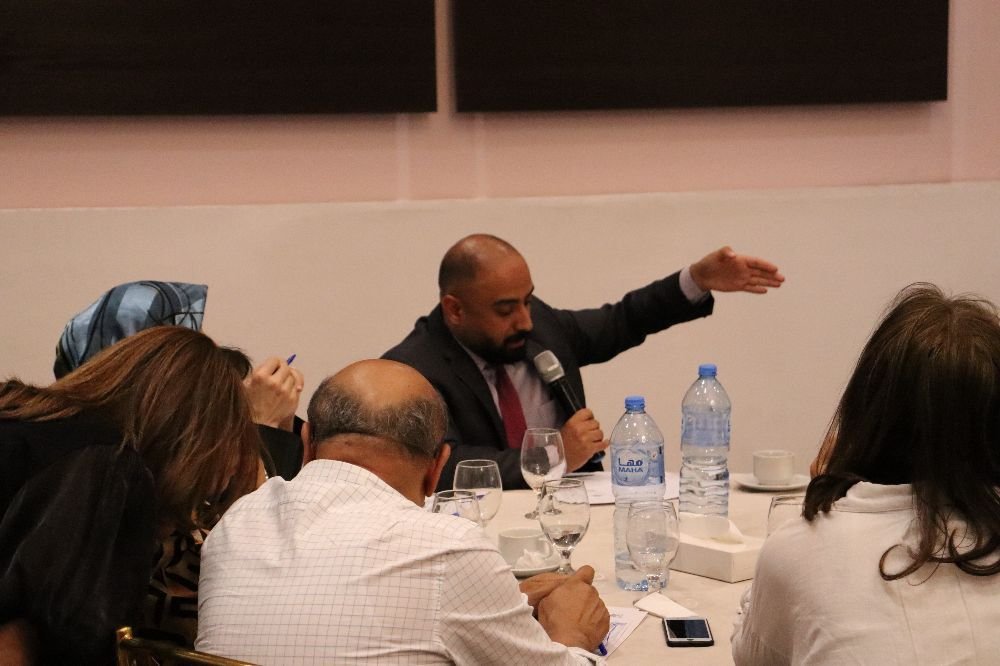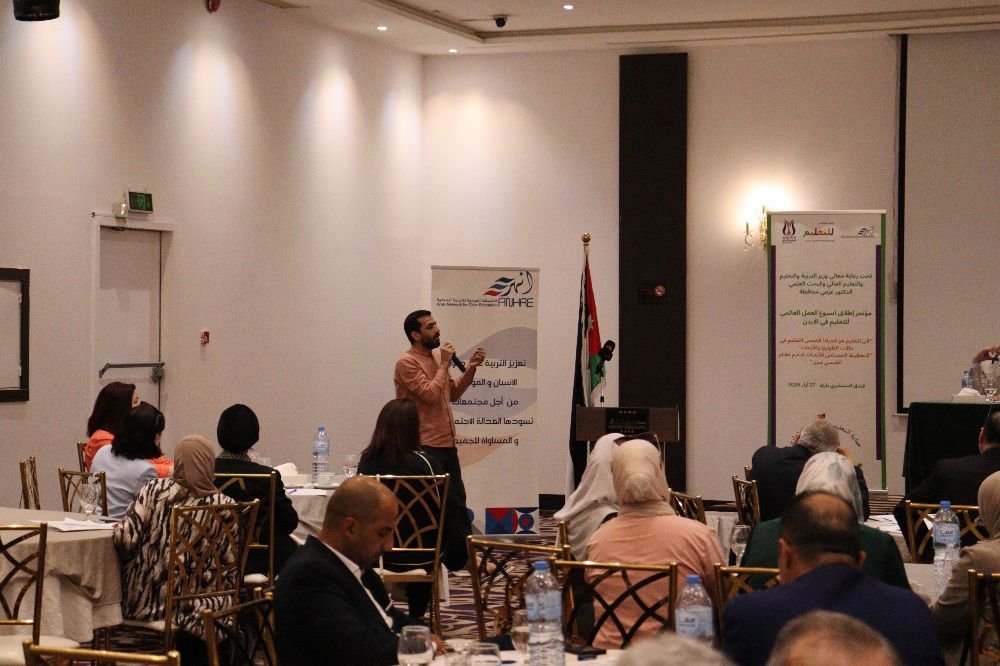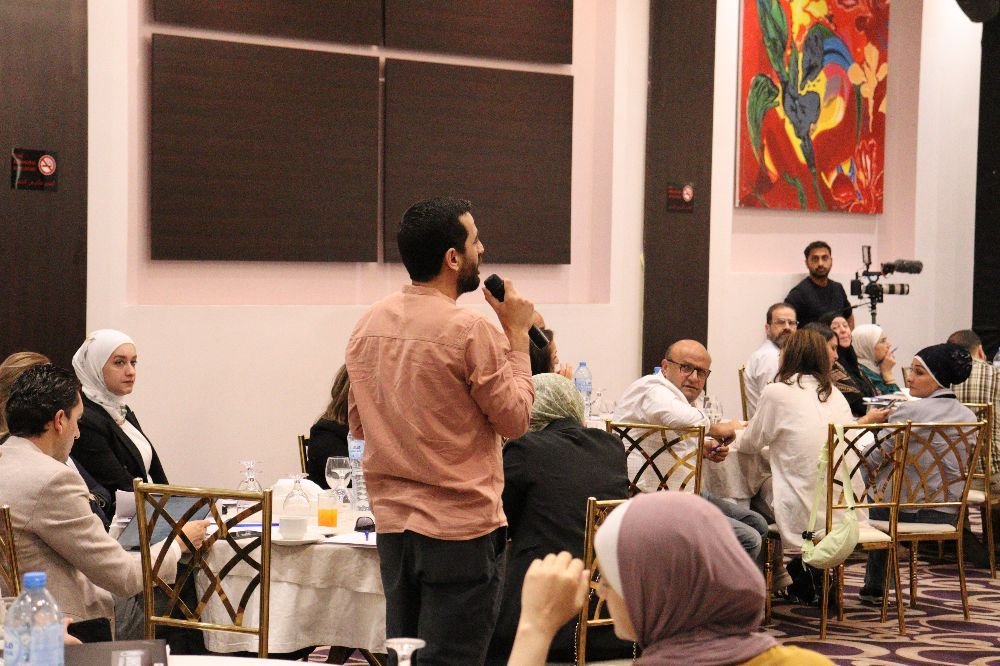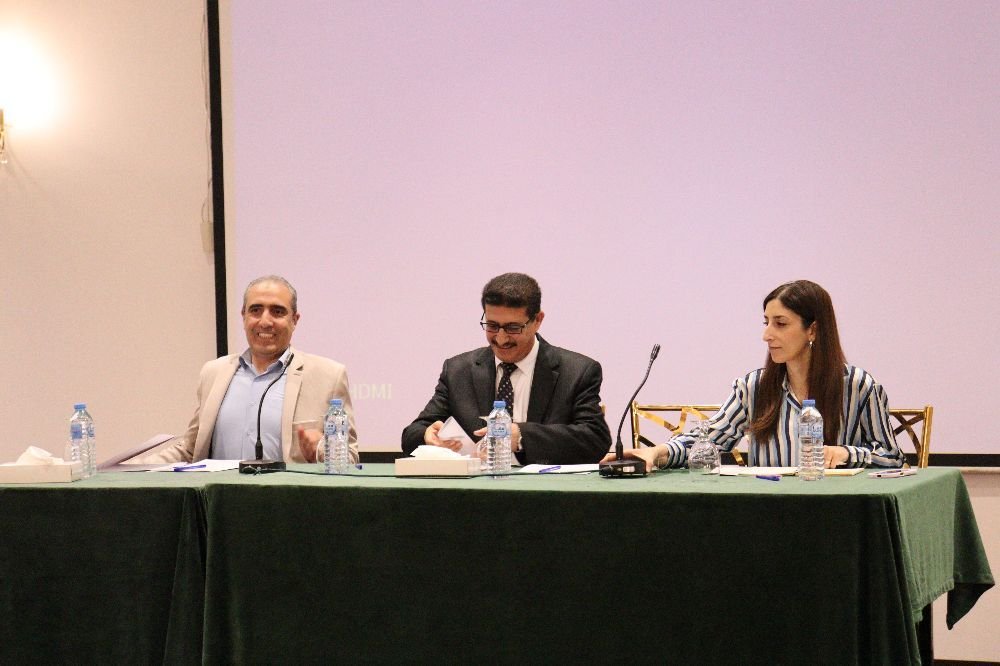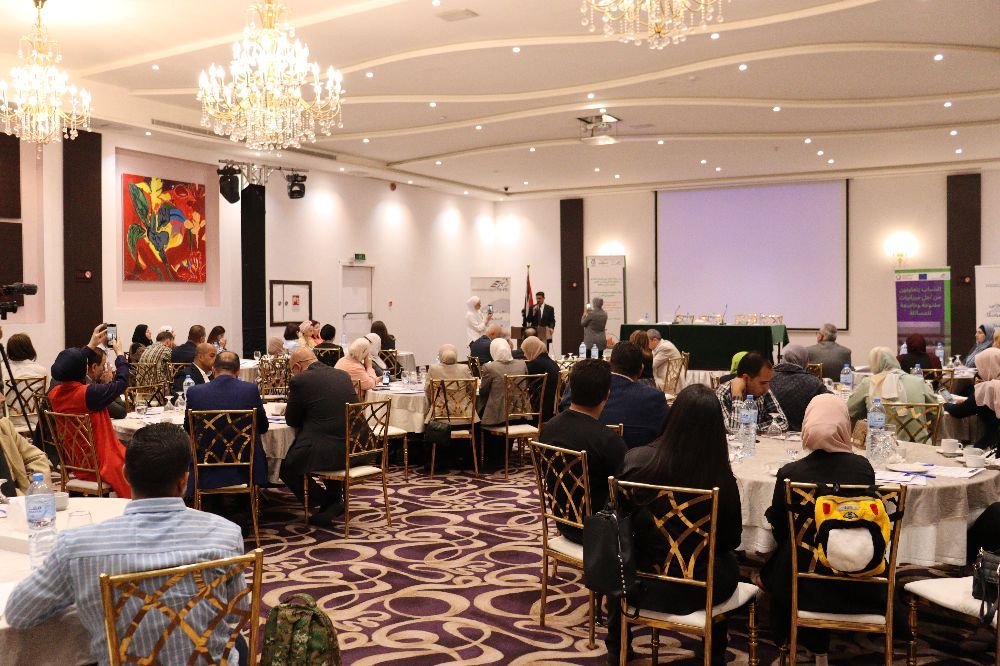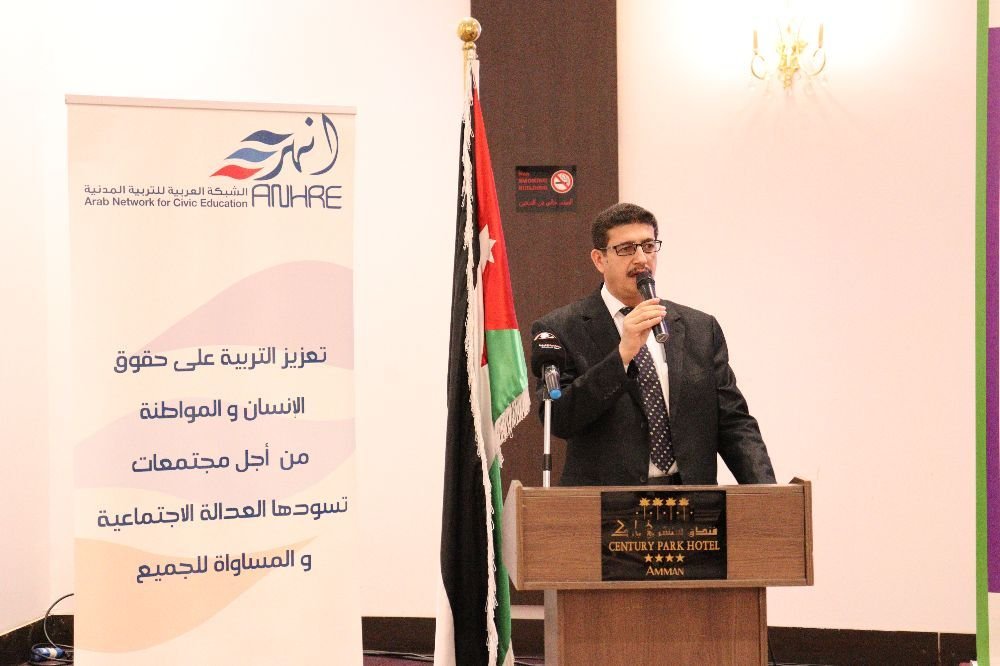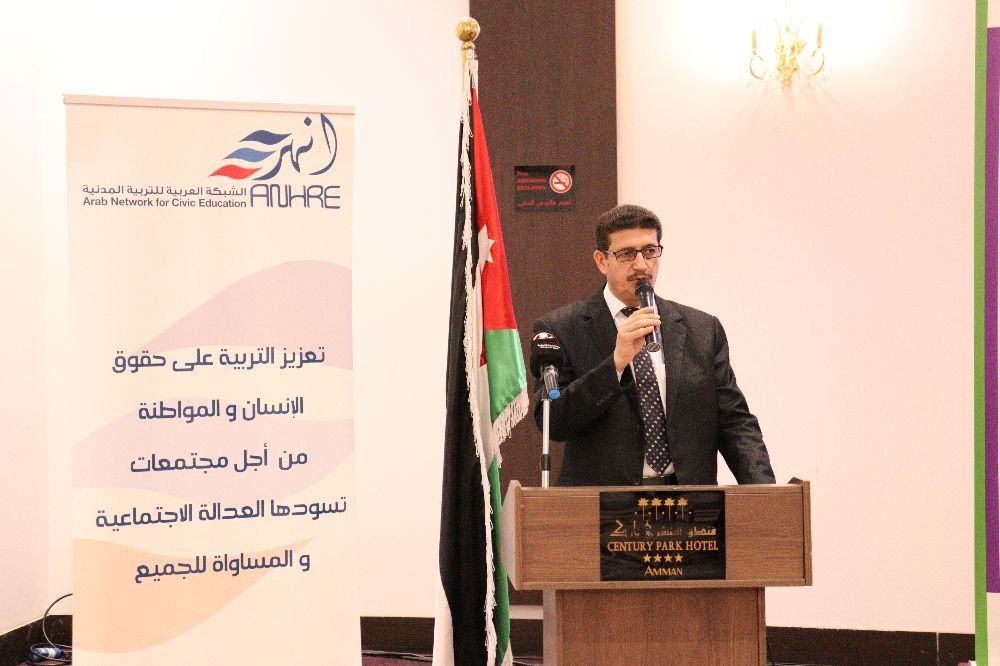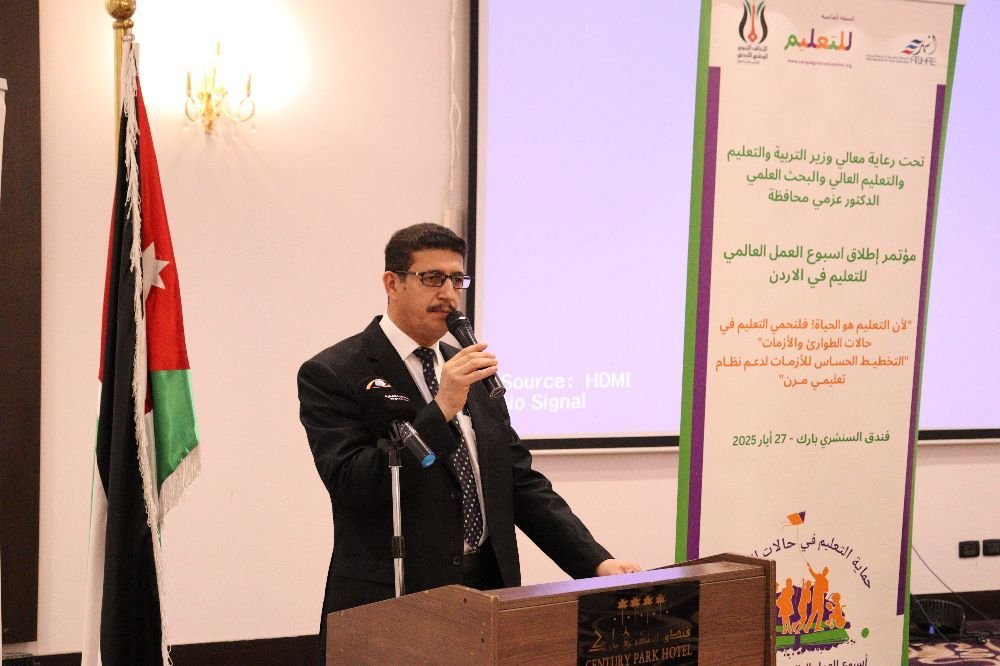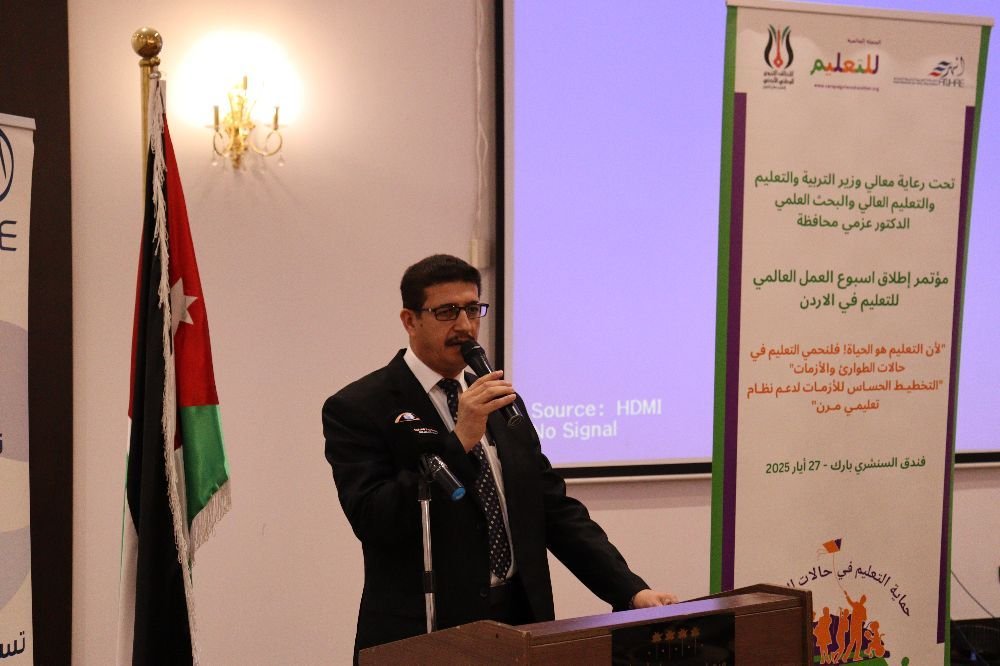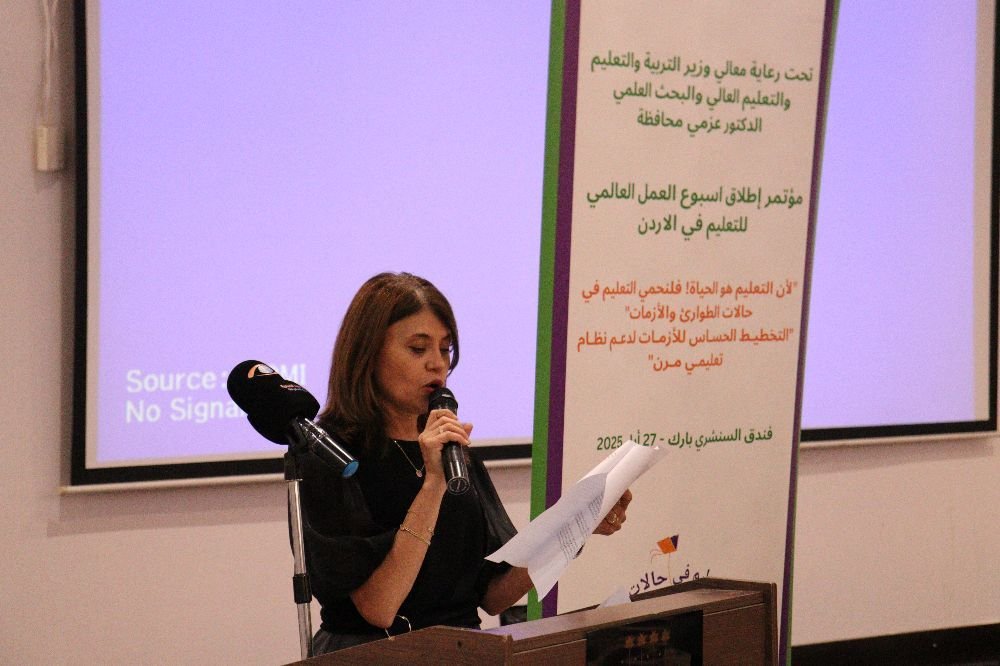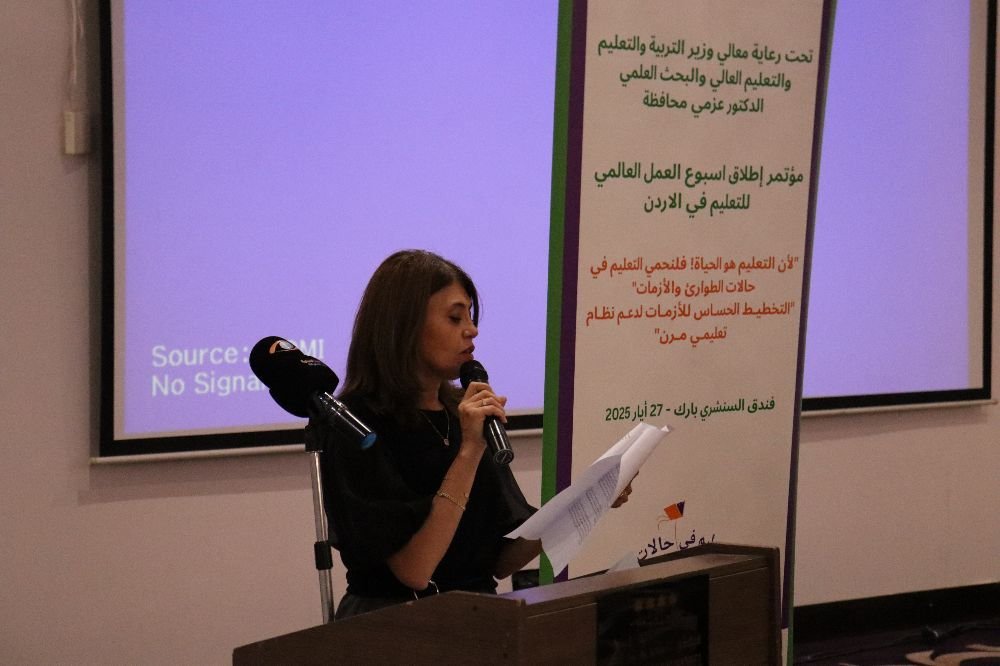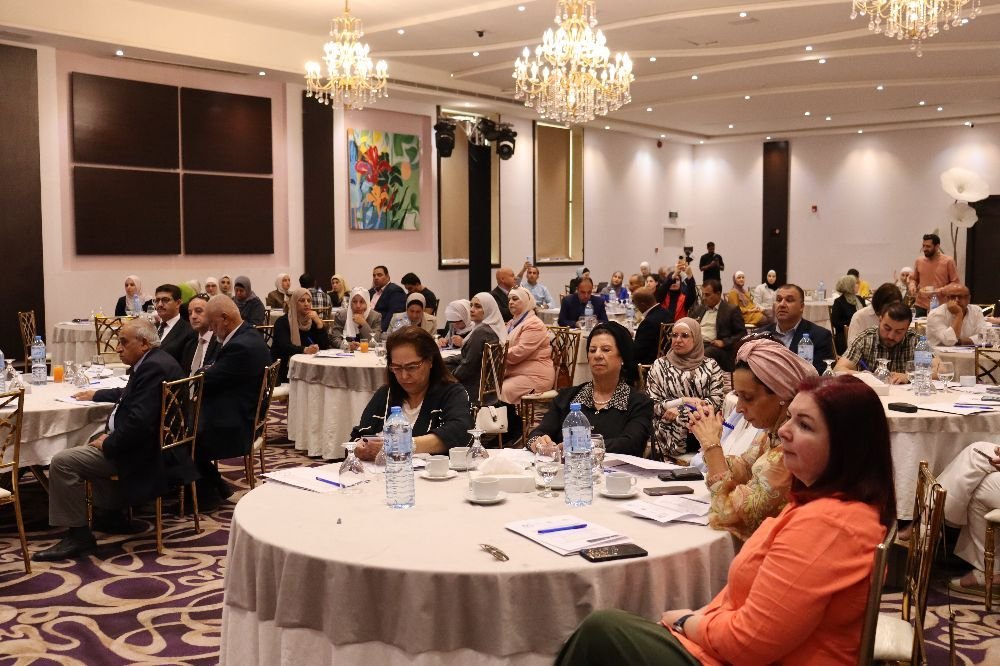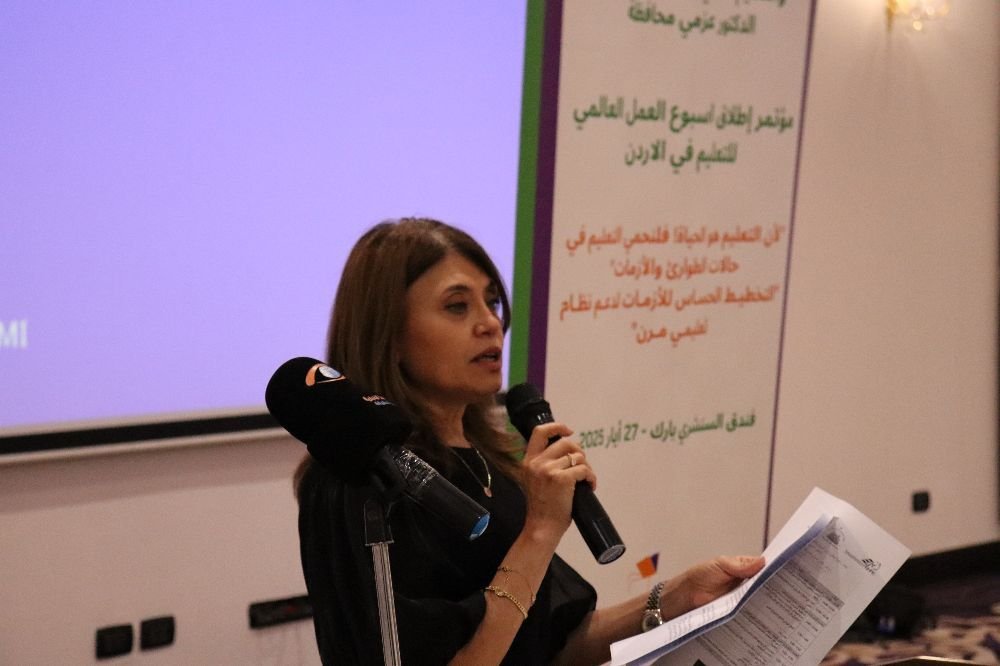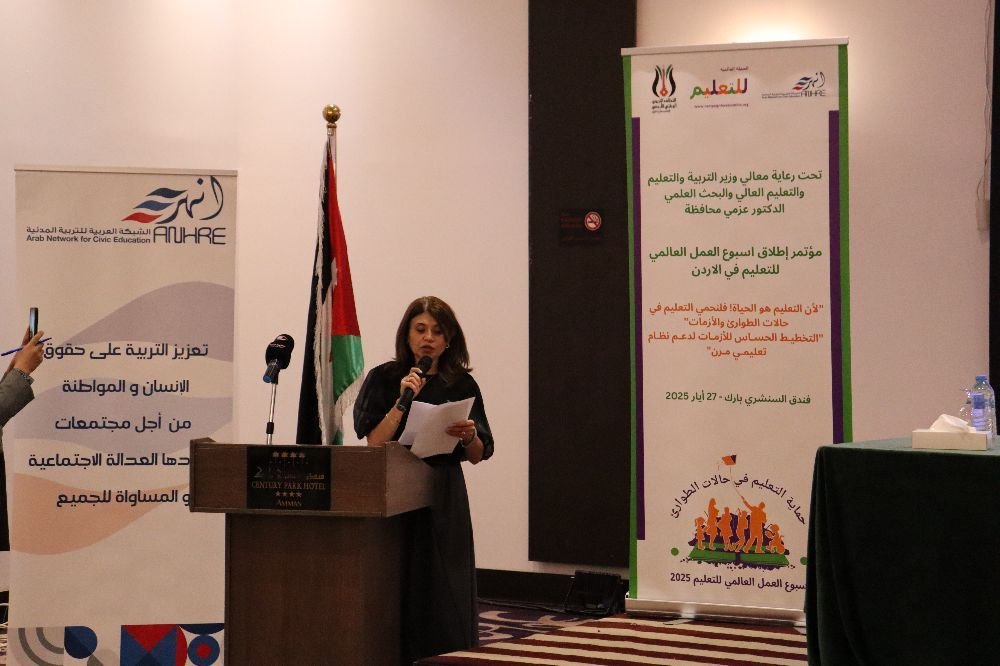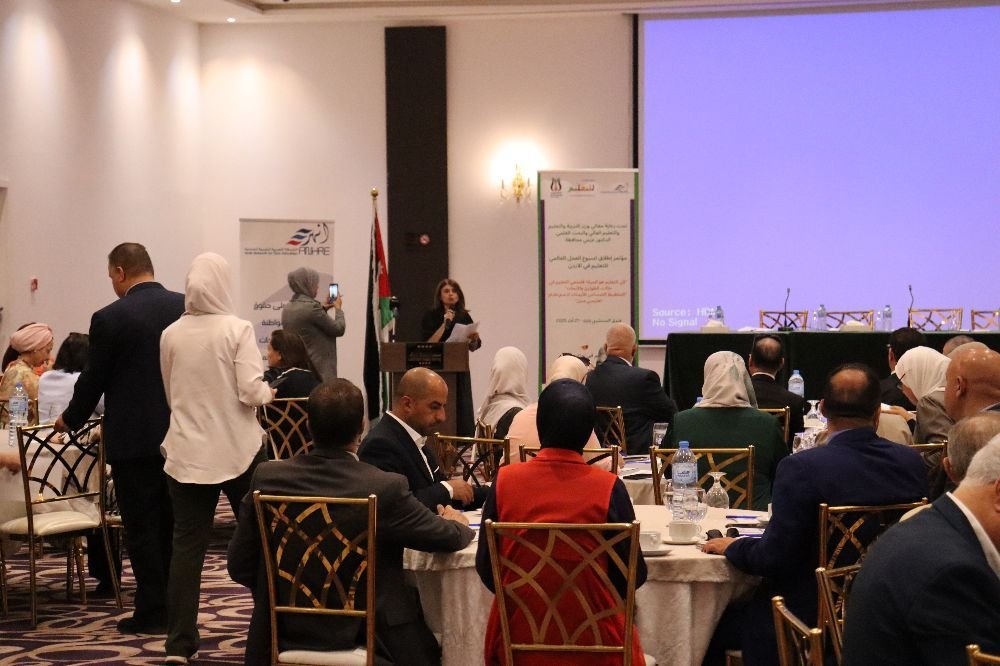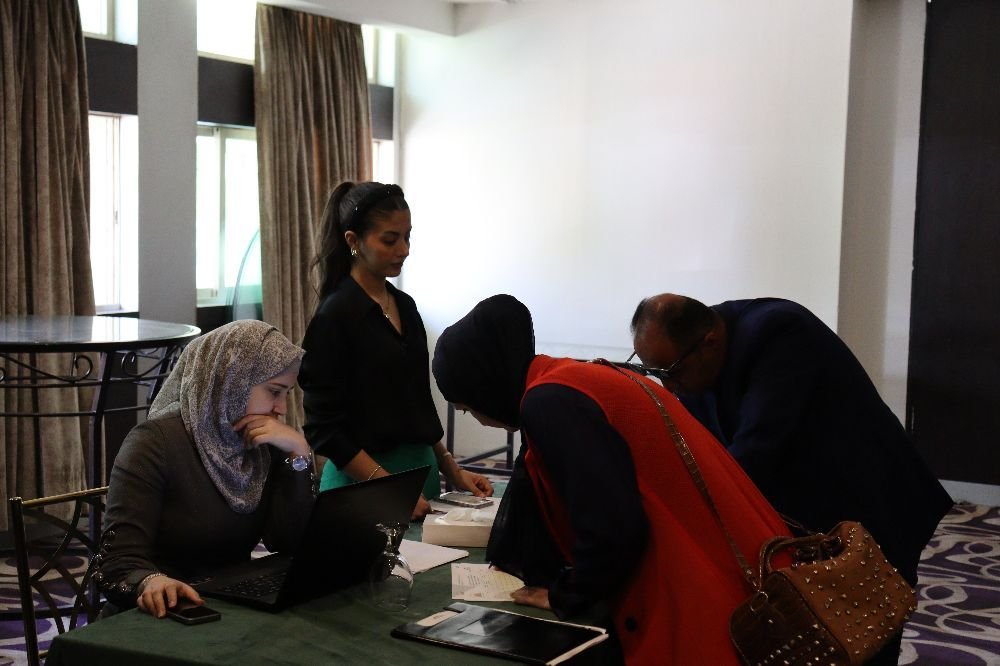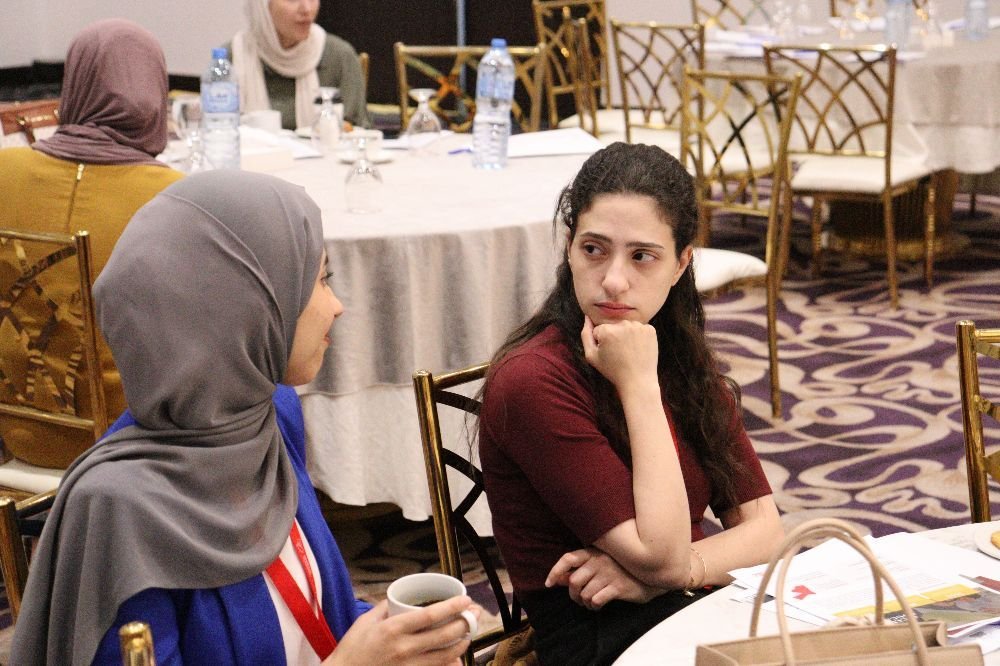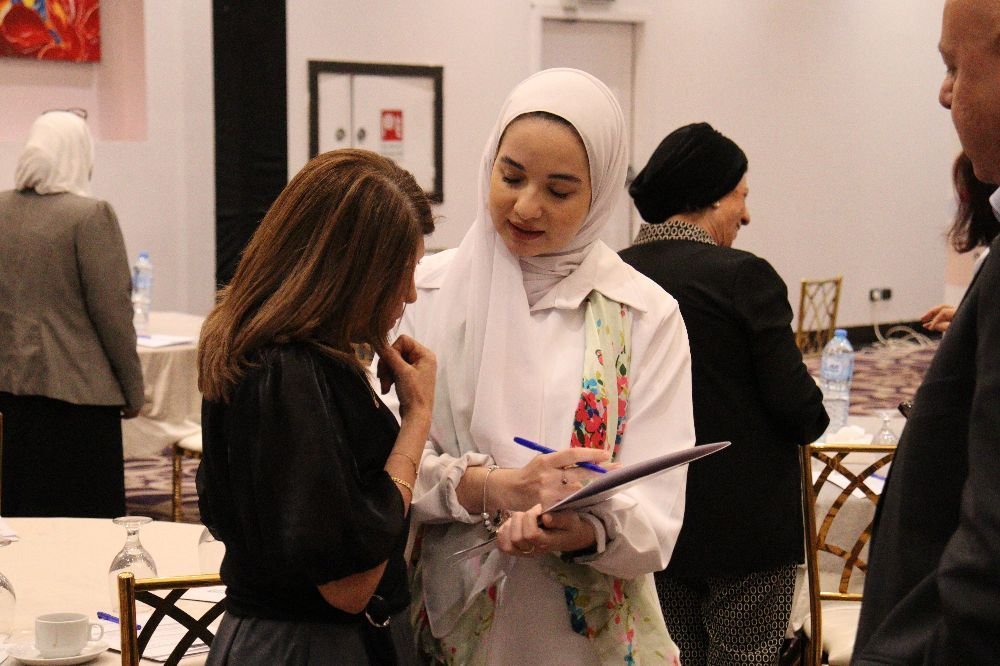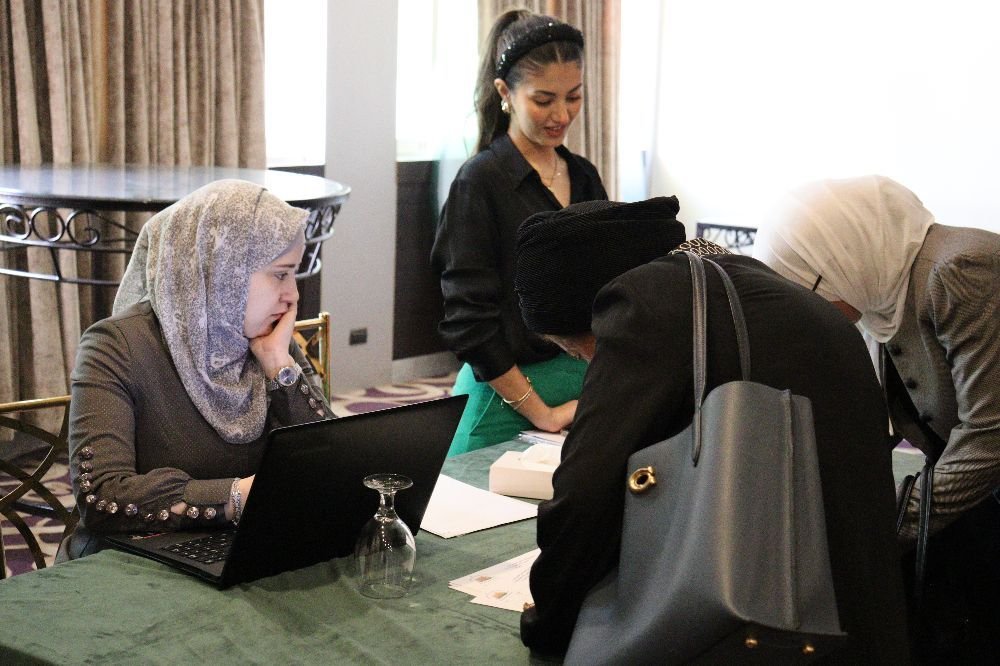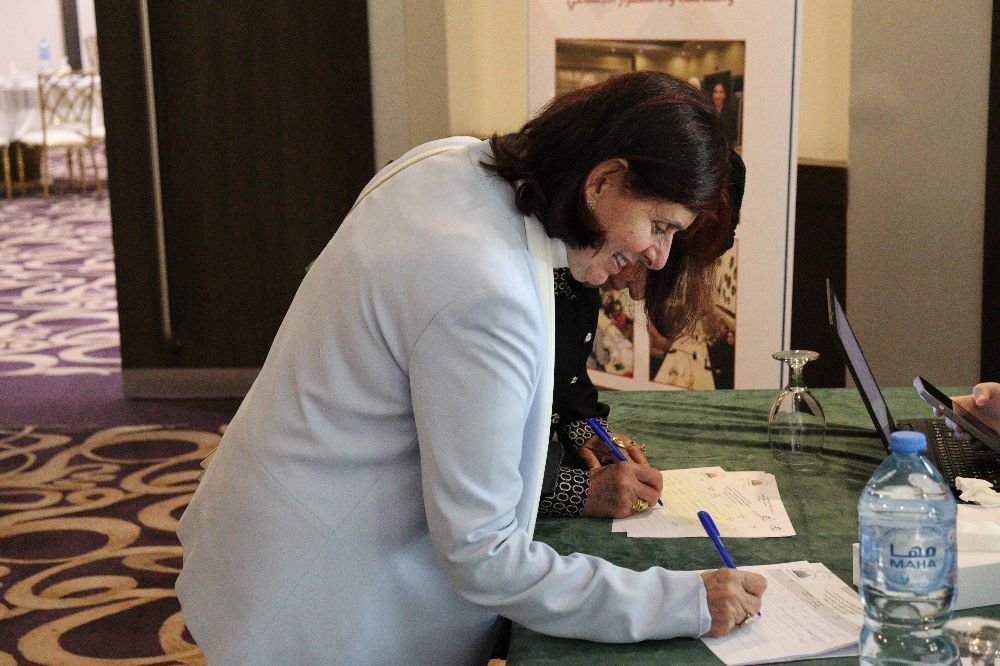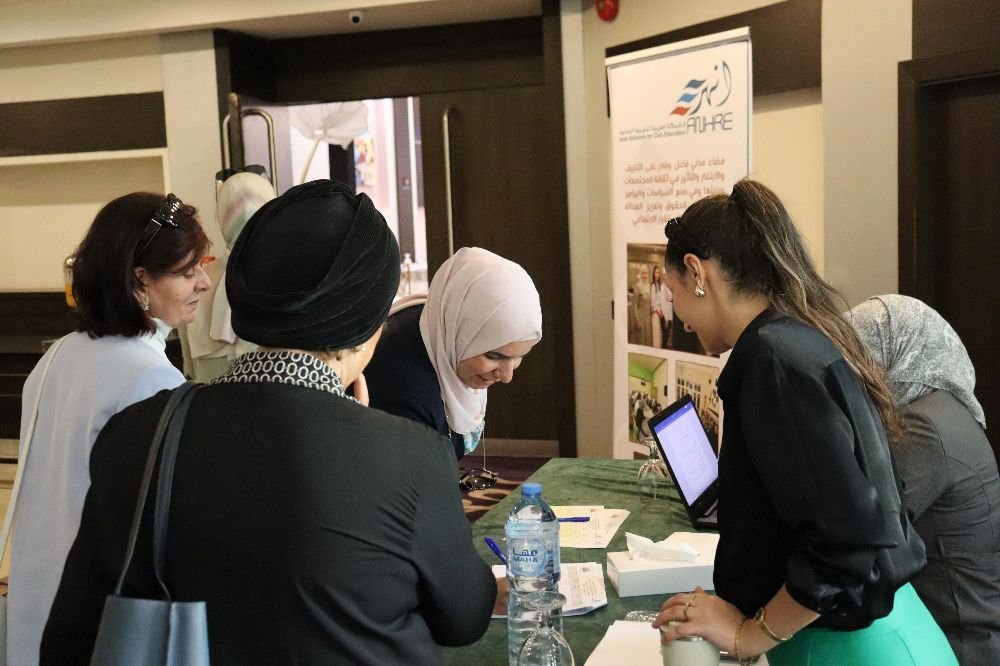
The Arab Network for Civic Education, in cooperation with ANHRE and the Jordan Coalition for Education for All, organized on Tuesday the 2025 Global Action Week for Education under the theme: “Crisis-Sensitive Planning to Support a Resilient Education System.”
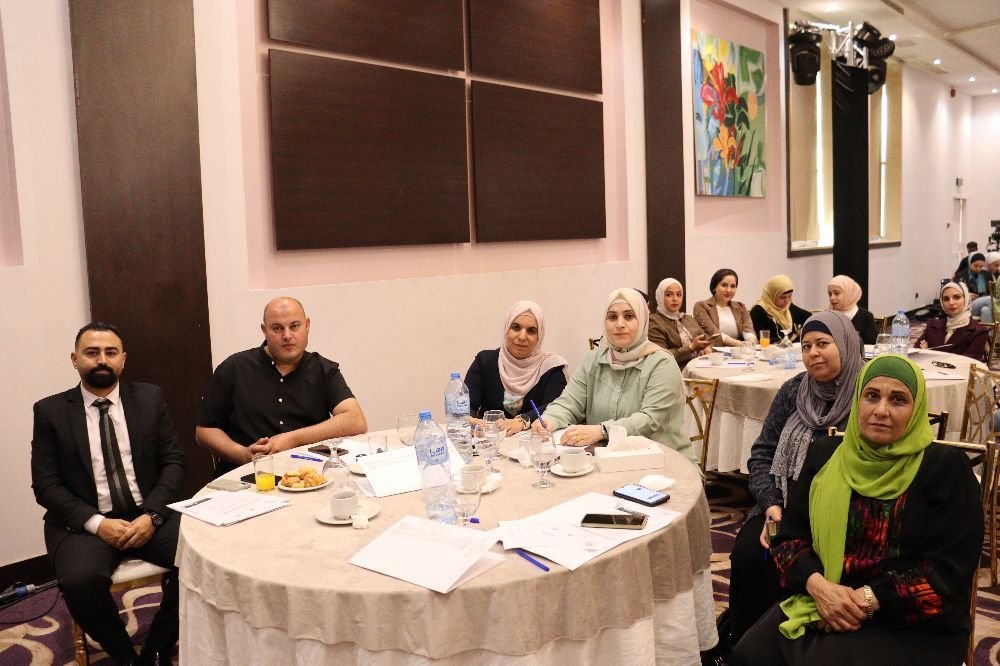
The conference was held under the patronage of the Minister of Education, represented by Dr. Faisal Al-Hawari, Director of the Ministry’s Planning and Educational Research Department. It was attended by ANHRE Executive Director Fotouh Younes, as well as participants from the Higher Council for the Rights of Persons with Disabilities, the Jordan Coalition for Education for All, and education experts.
Younes stated that this year’s Global Action Week focuses on protecting education in emergencies and crises. In Jordan, the focus is on crisis-sensitive planning to support a resilient education system.
She emphasized that Jordan is among the countries affected by surrounding conflicts, crises, and instability due to its geopolitical location. Although the Ministry of Education has developed a crisis response strategy, there remains a need to secure adequate funding and unite the efforts of all stakeholders in order to focus on crisis-sensitive planning, contributing to a resilient education system capable of adapting to national and regional challenges.
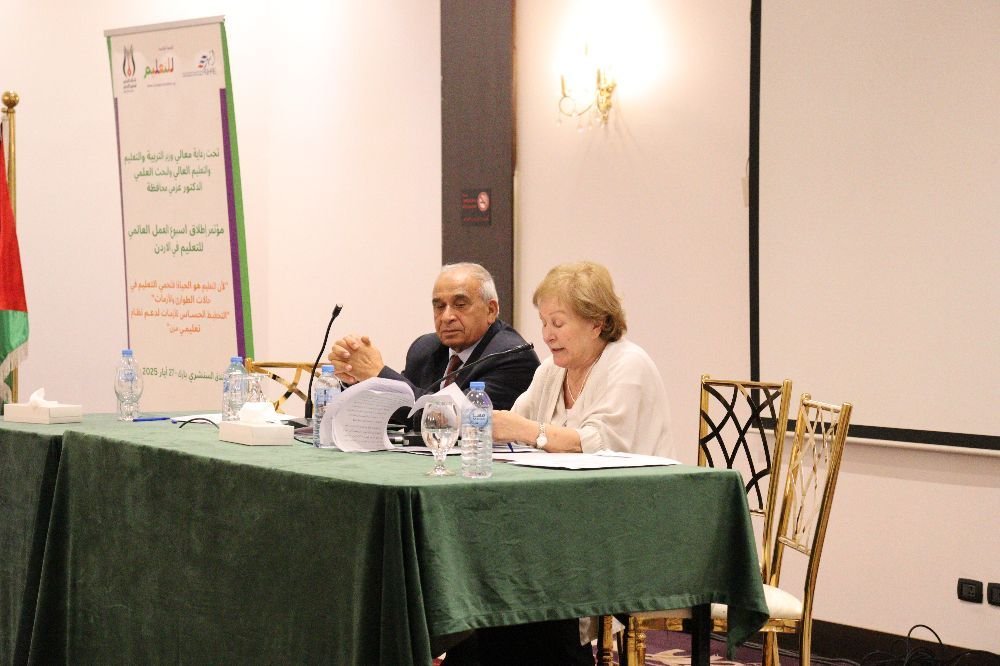
The conference included two dialogue sessions. The first addressed “Crisis-Sensitive Planning to Support a Resilient Education System,” during which Al-Hawari presented the Ministry’s approved Risk and Crisis Management Strategy, in addition to the Ministry’s education spending policy, particularly in light of the financial burdens facing the Kingdom.
Yazan Al-Khalili, Head of the General Education Department at the Higher Council for the Rights of Persons with Disabilities, also presented the National Framework for Inclusion and Diversity in Education. He emphasized the importance of strengthening the inclusiveness of the education system and ensuring equal opportunities for all students, particularly persons with disabilities.
The second dialogue session focused on the potential impact of reductions in international aid allocated to education. Speakers discussed the growing challenges facing the education sector in Jordan, particularly those related to the education of Syrian refugees and the impact of declining funding on the continuity of educational services provided to them.
The session also included a statement by Hani Awad, representative of the Youth Education Group, who spoke about the role of youth in supporting the funding campaign for the United Nations Relief and Works Agency for Palestine Refugees in the Near East (UNRWA). He stressed the importance of continued support to ensure refugee children’s right to quality and sustainable education.
At the conclusion of the conference, participants called in their final statement for the provision of long-term and comprehensive financing to ensure the continuation of education for children affected by crises, particularly refugees.