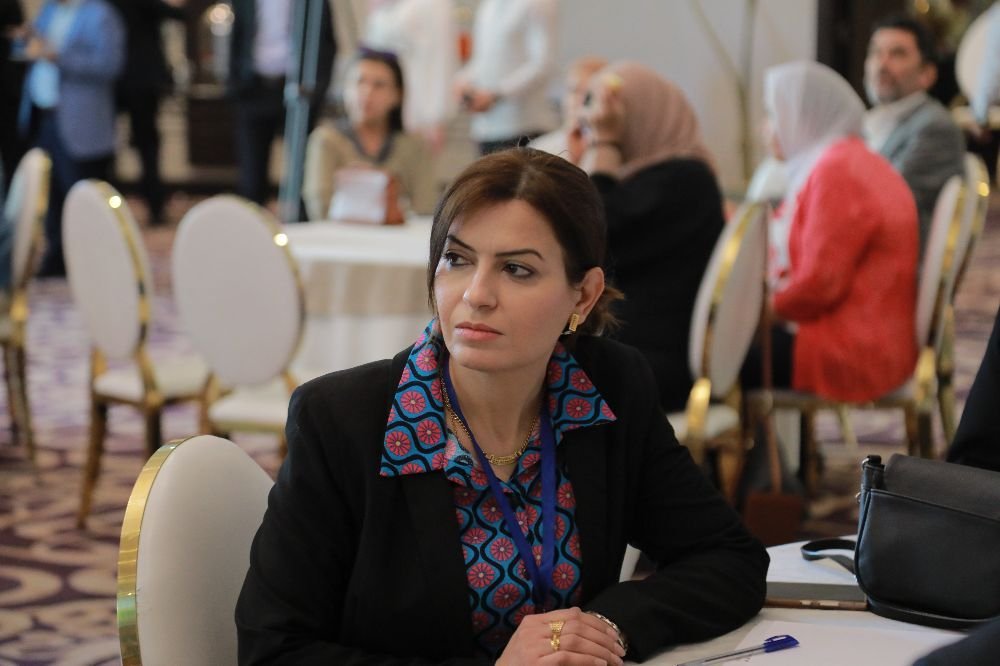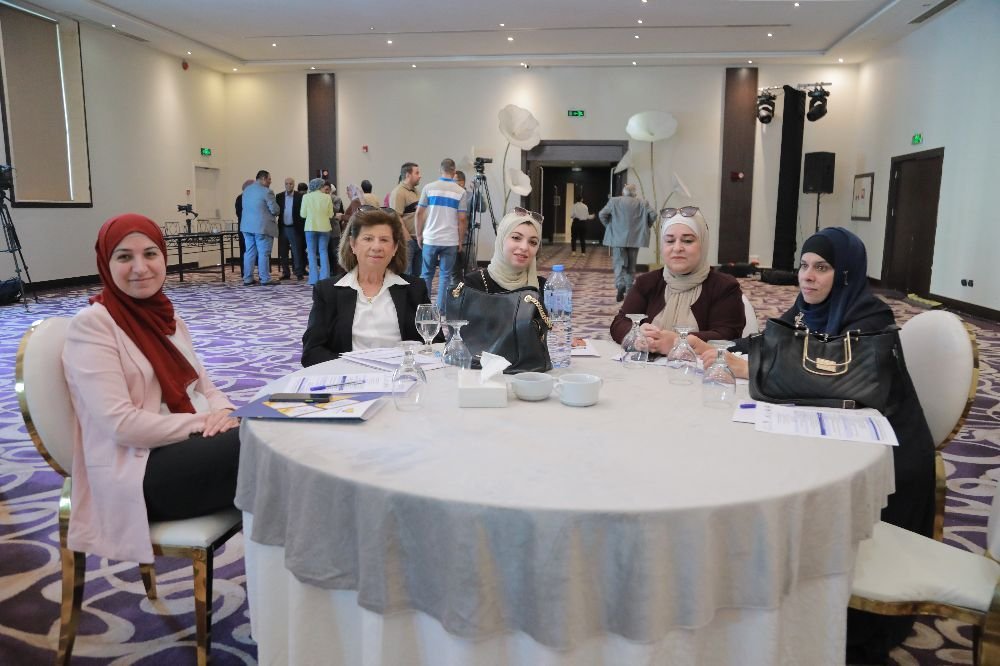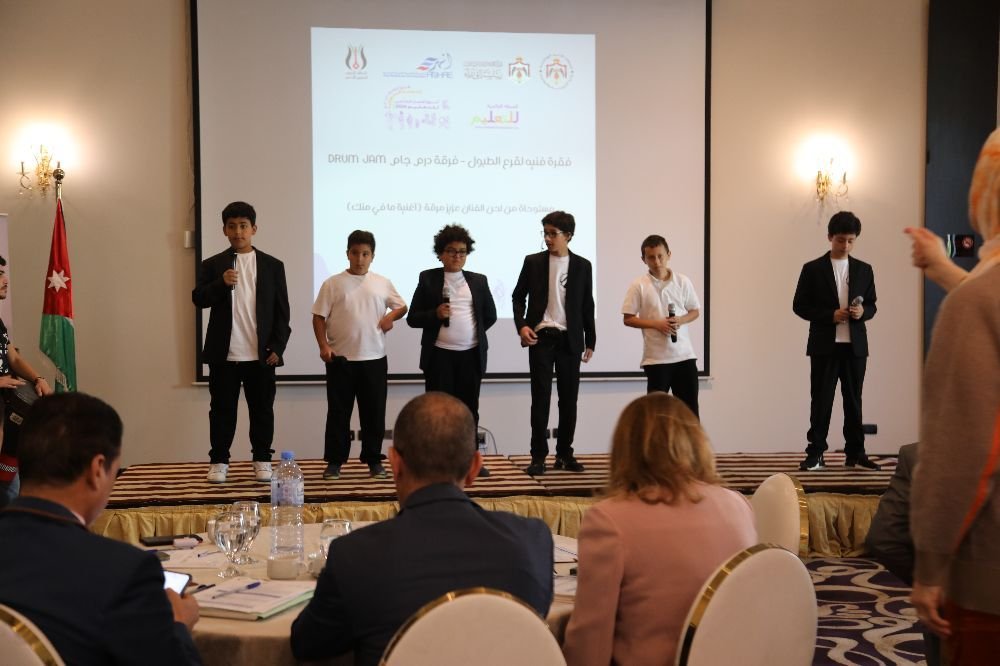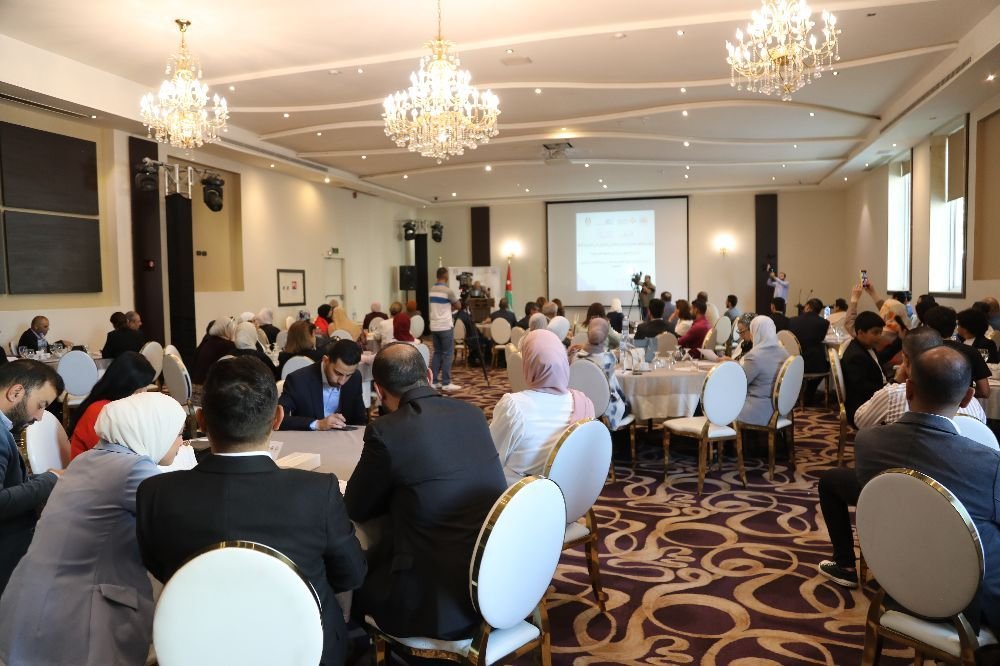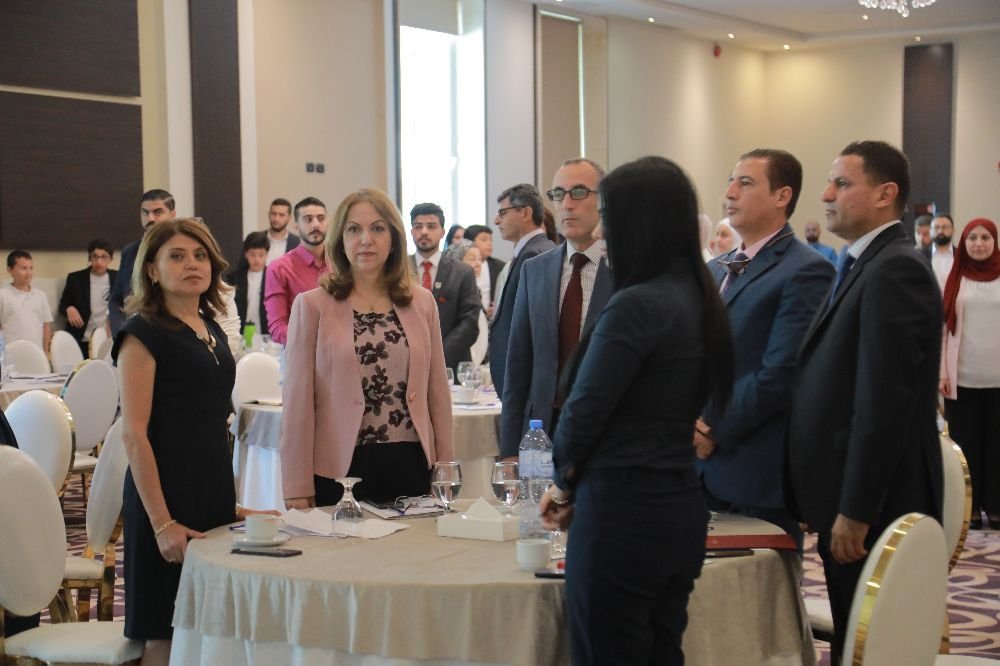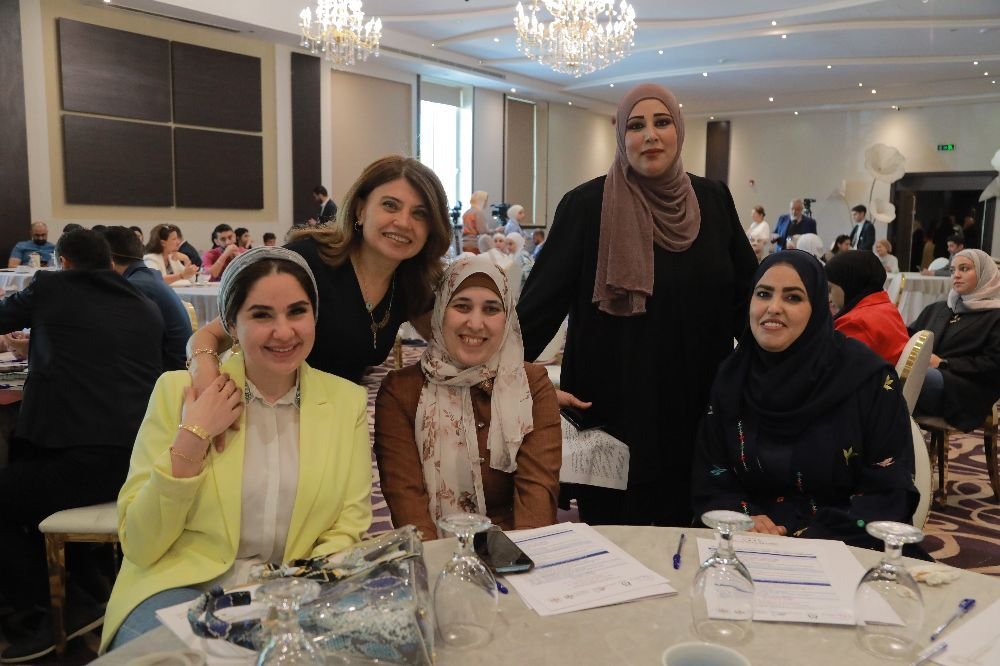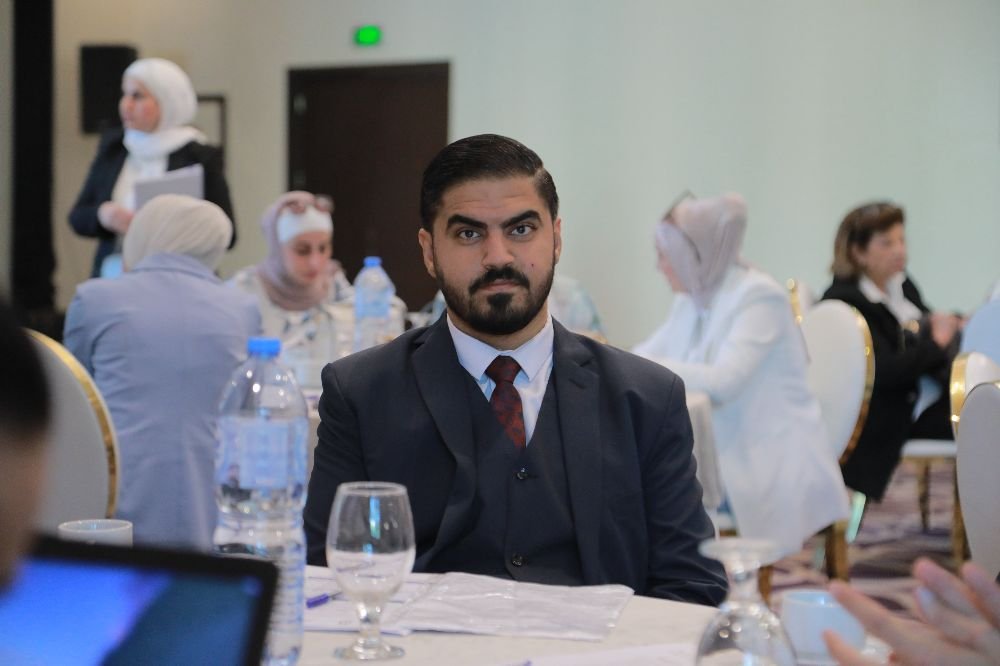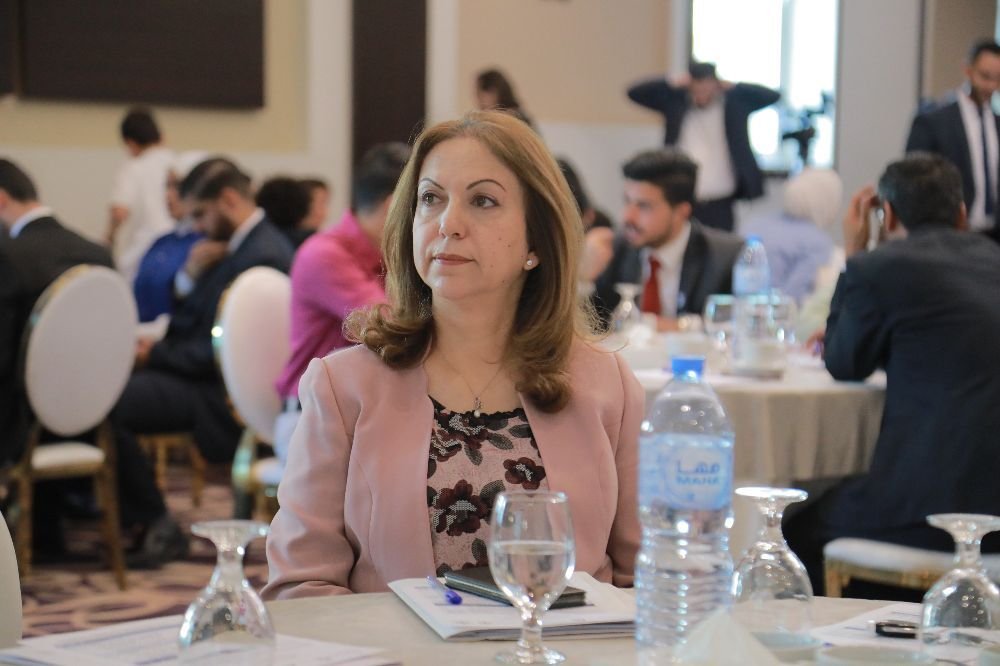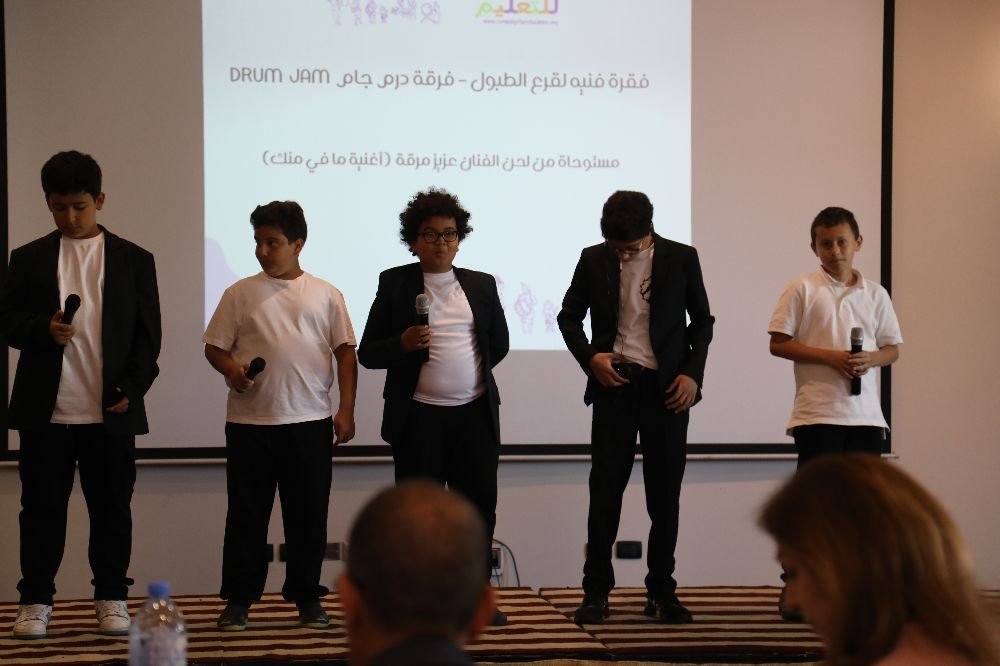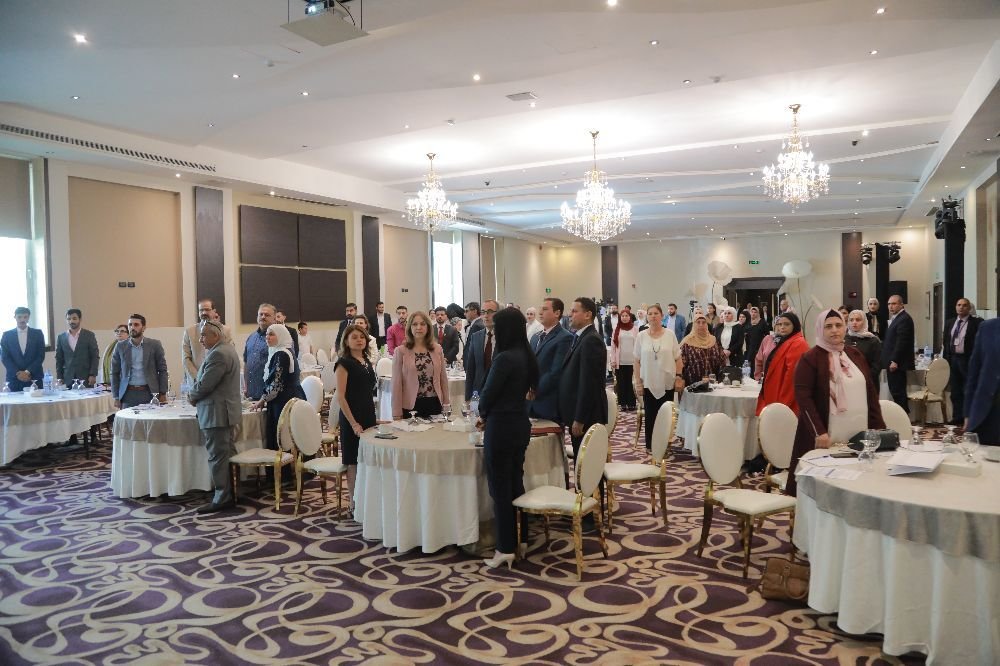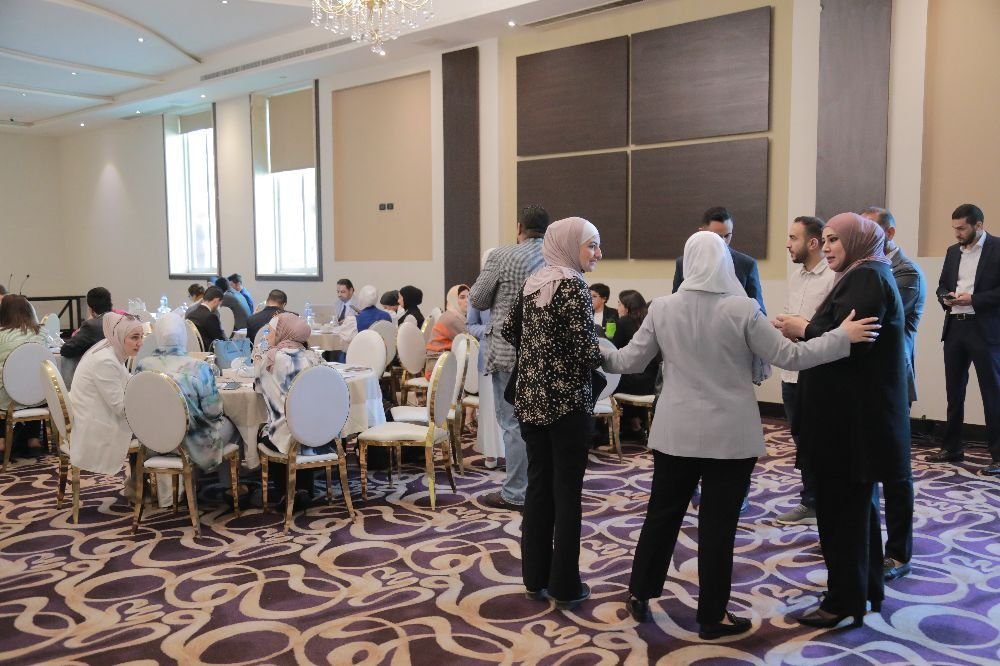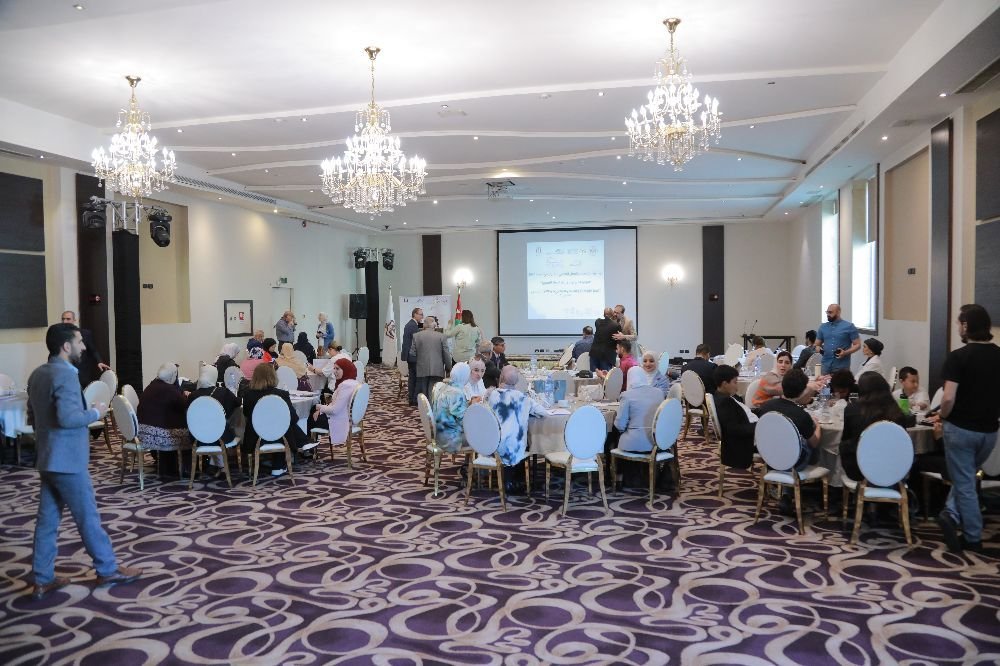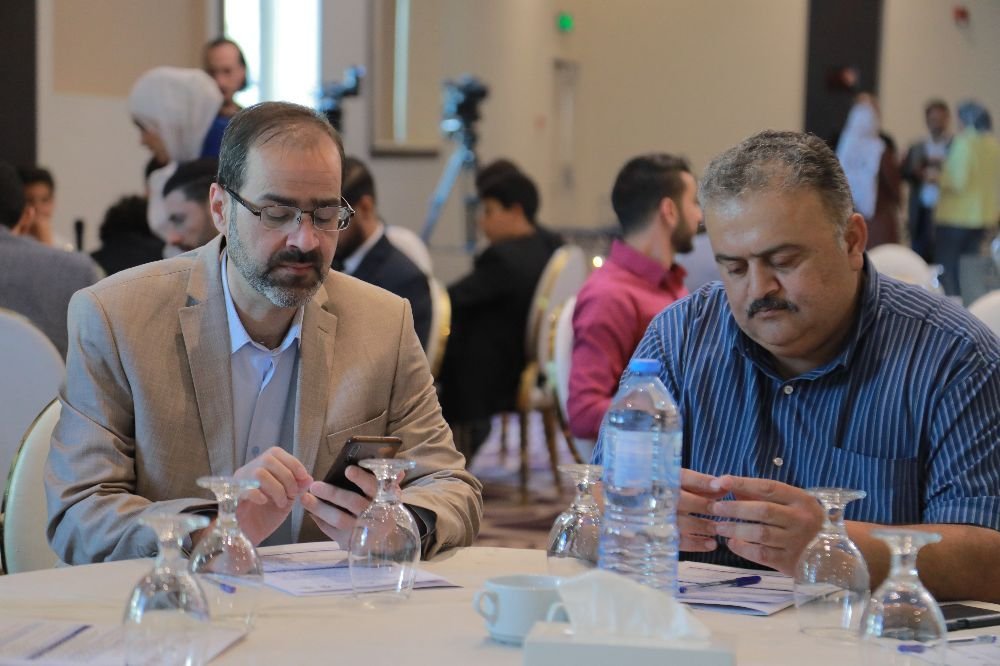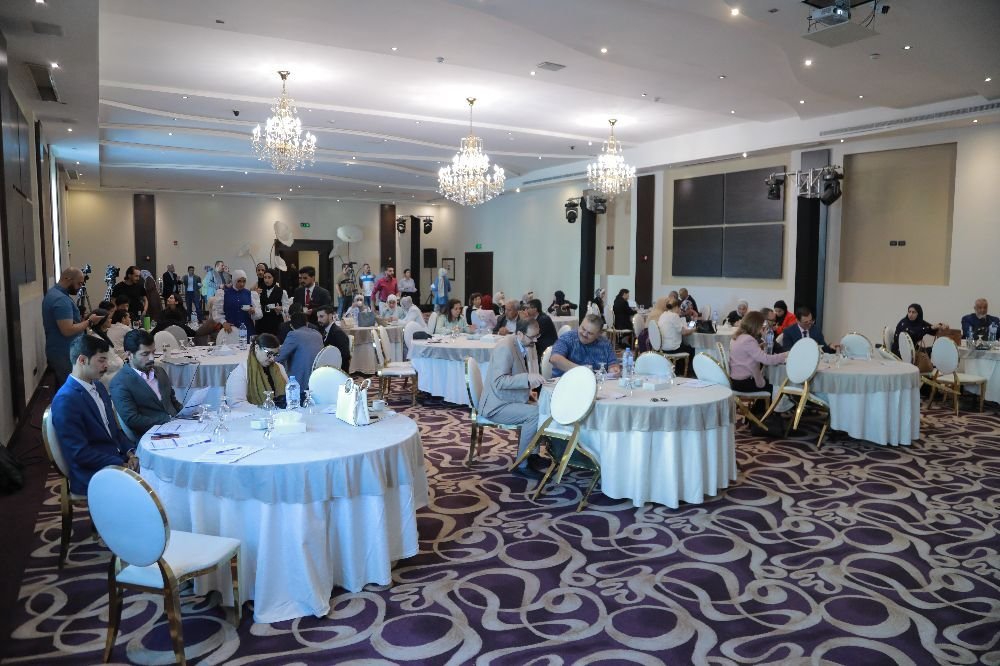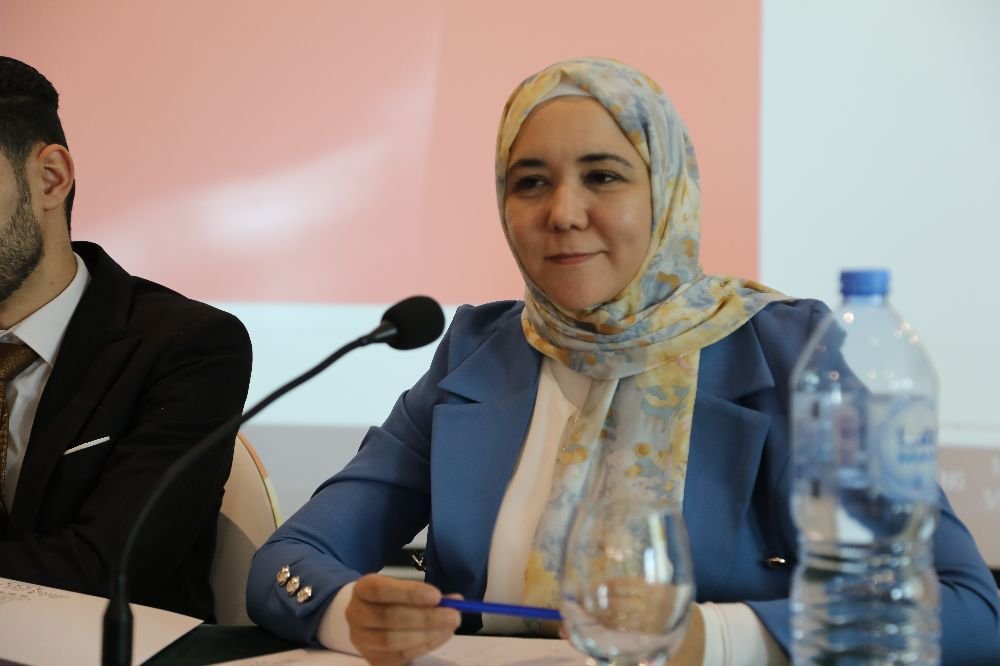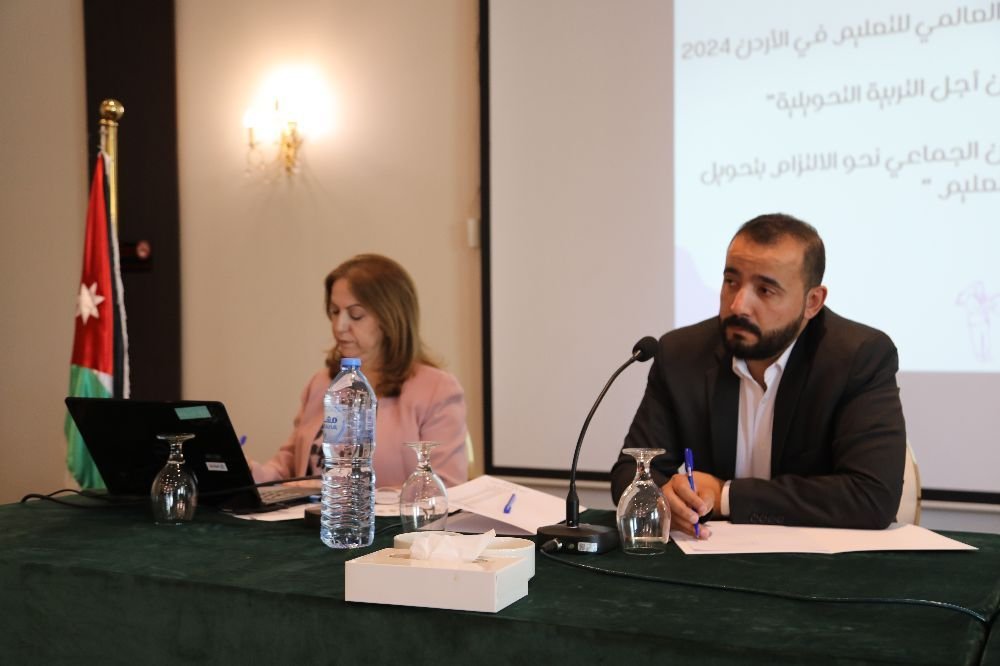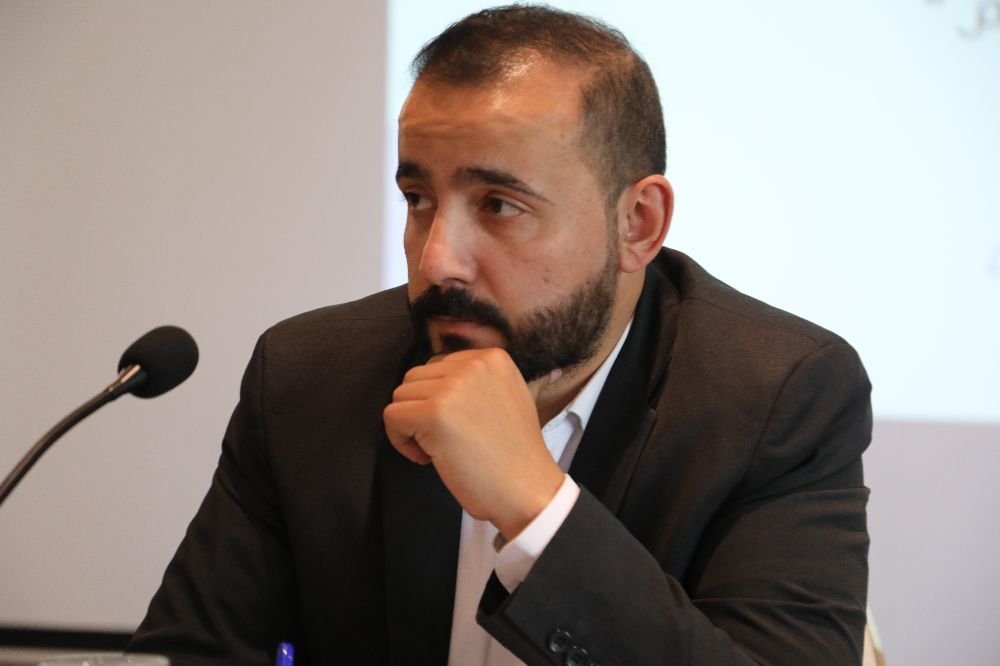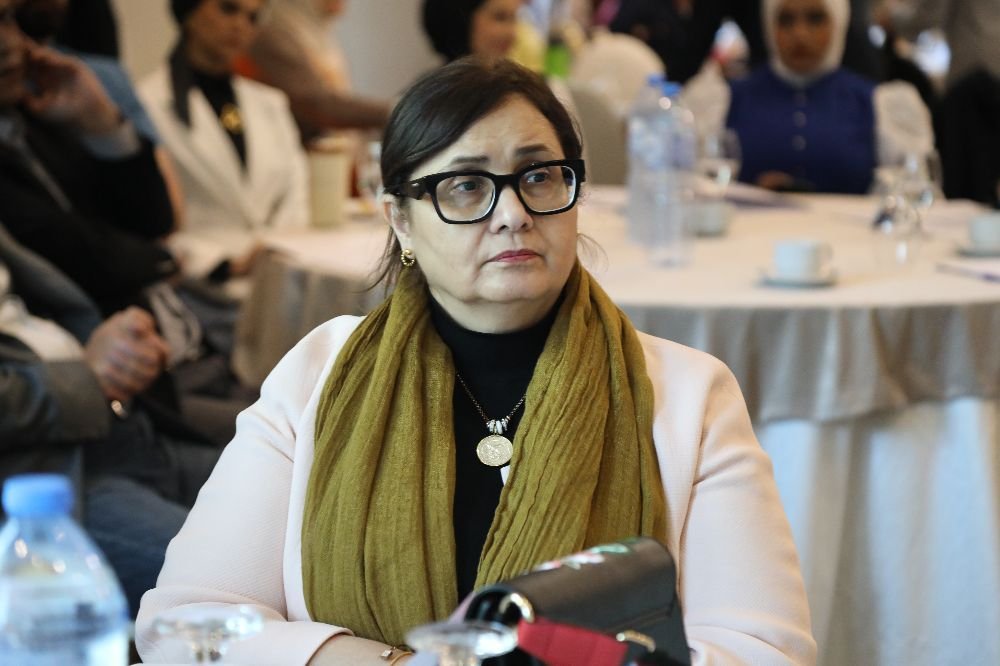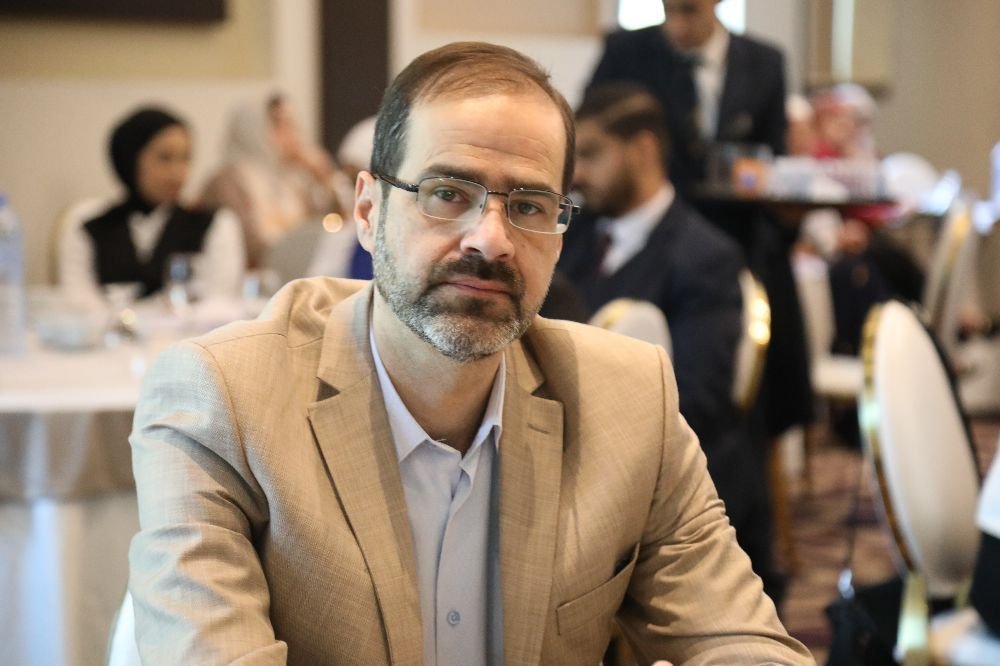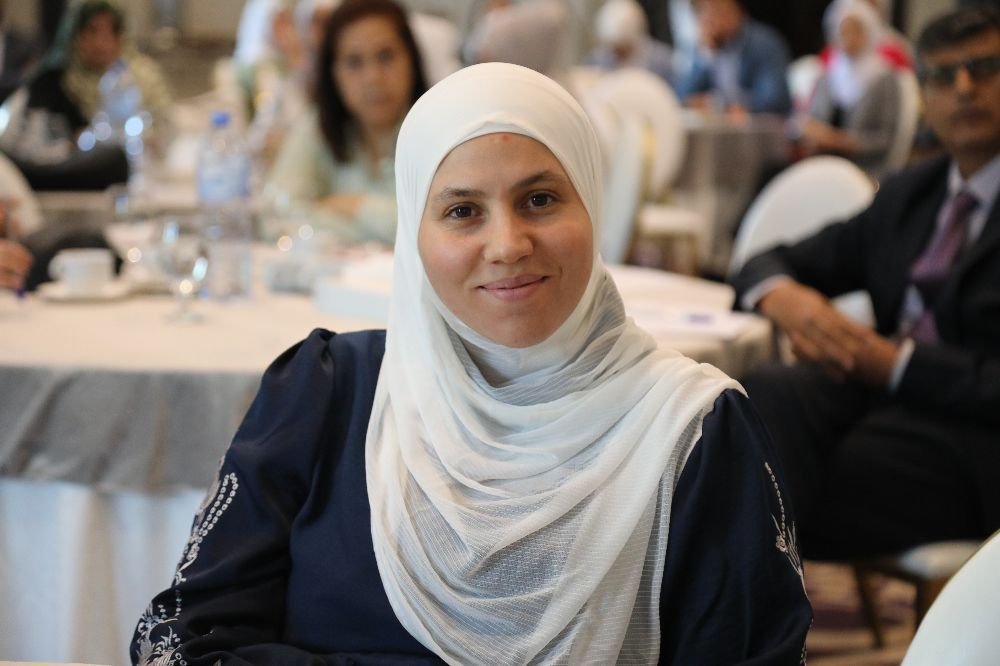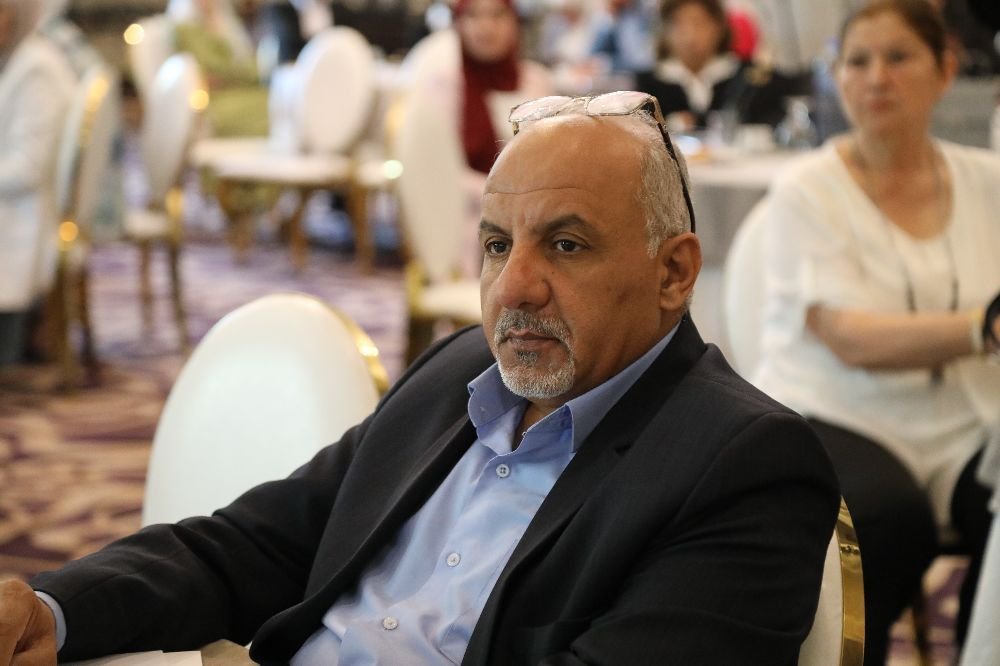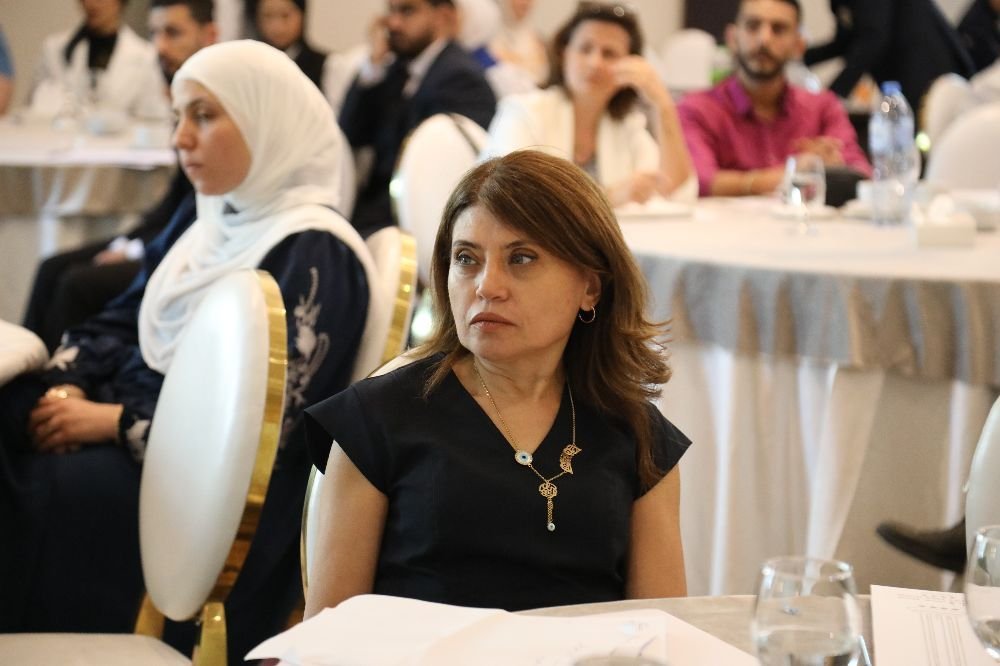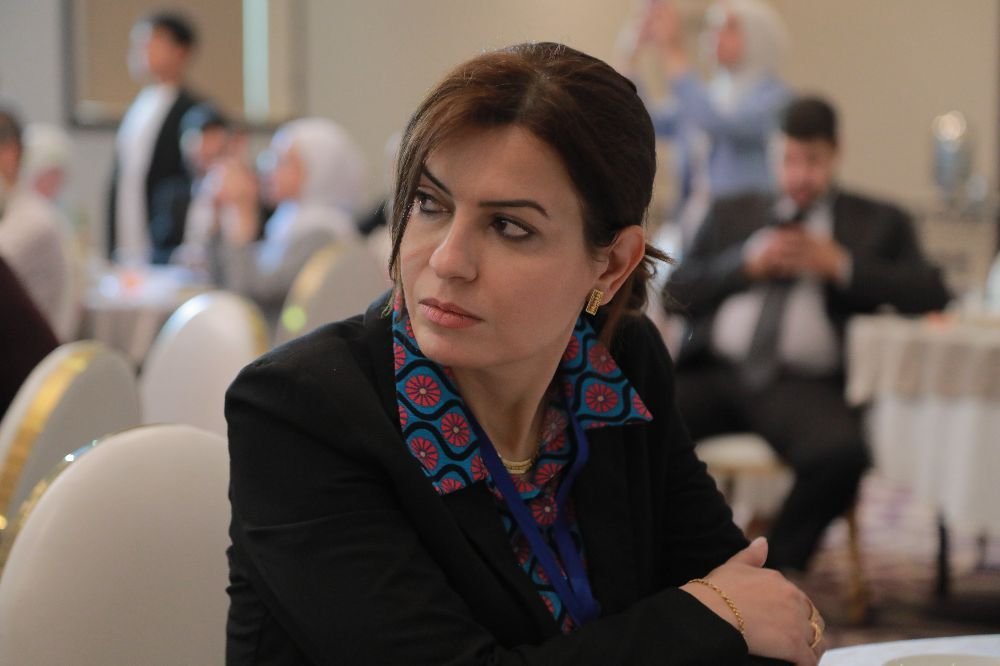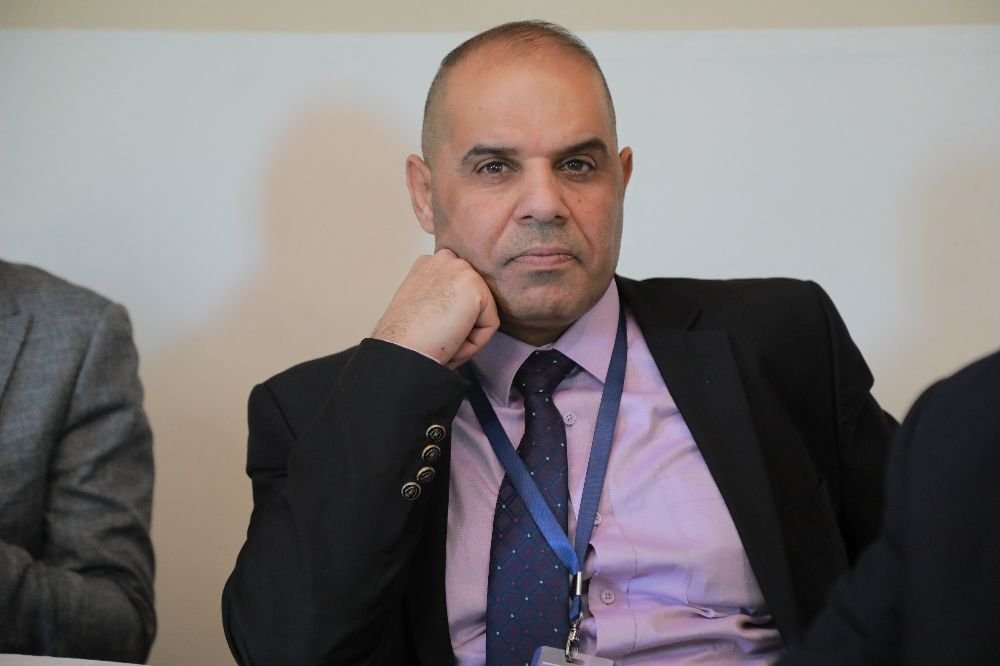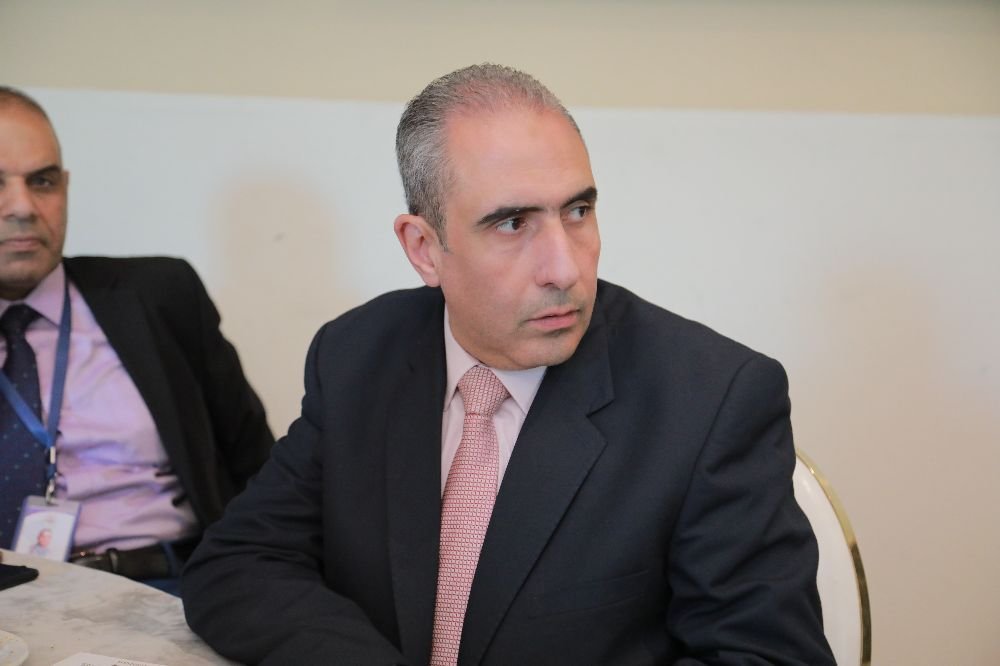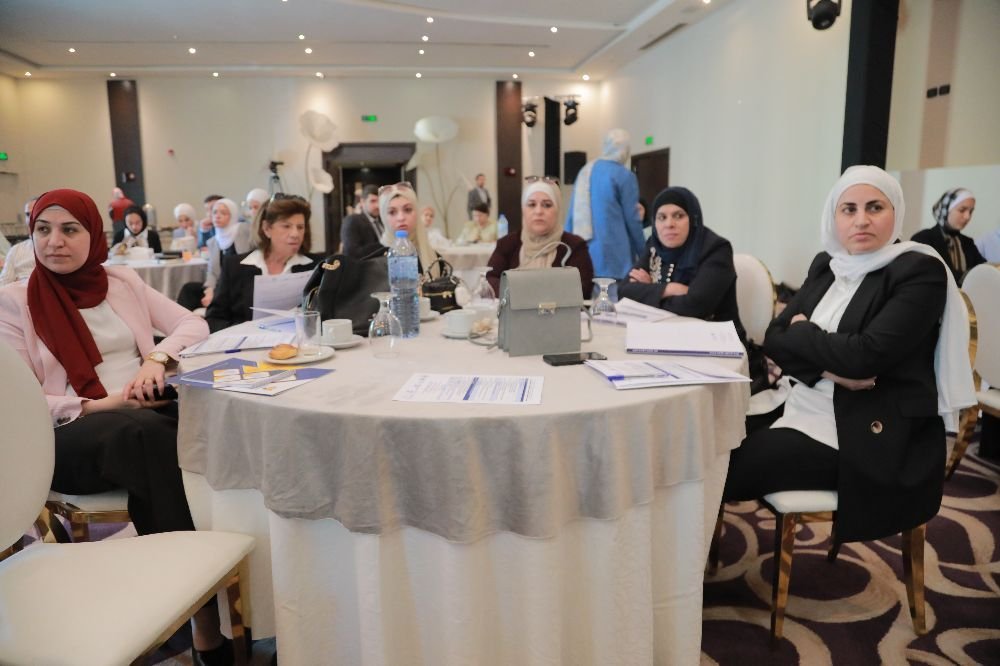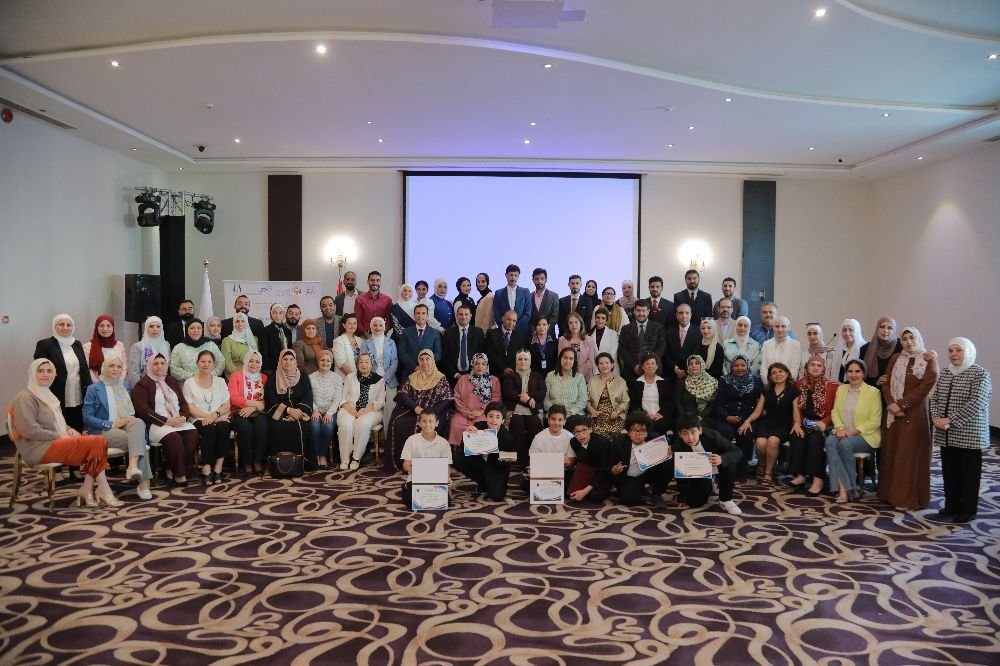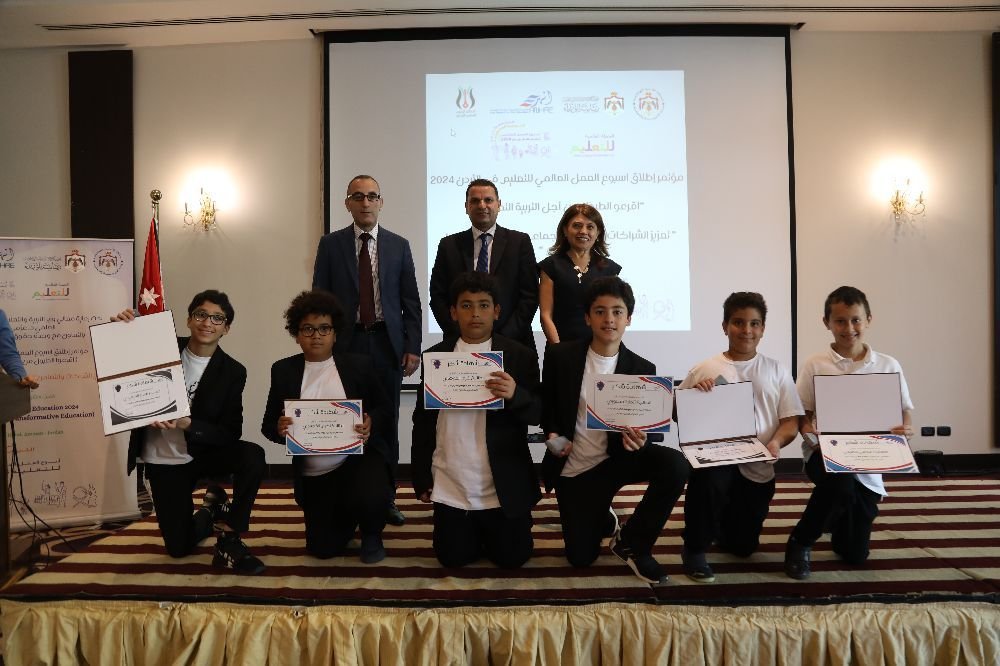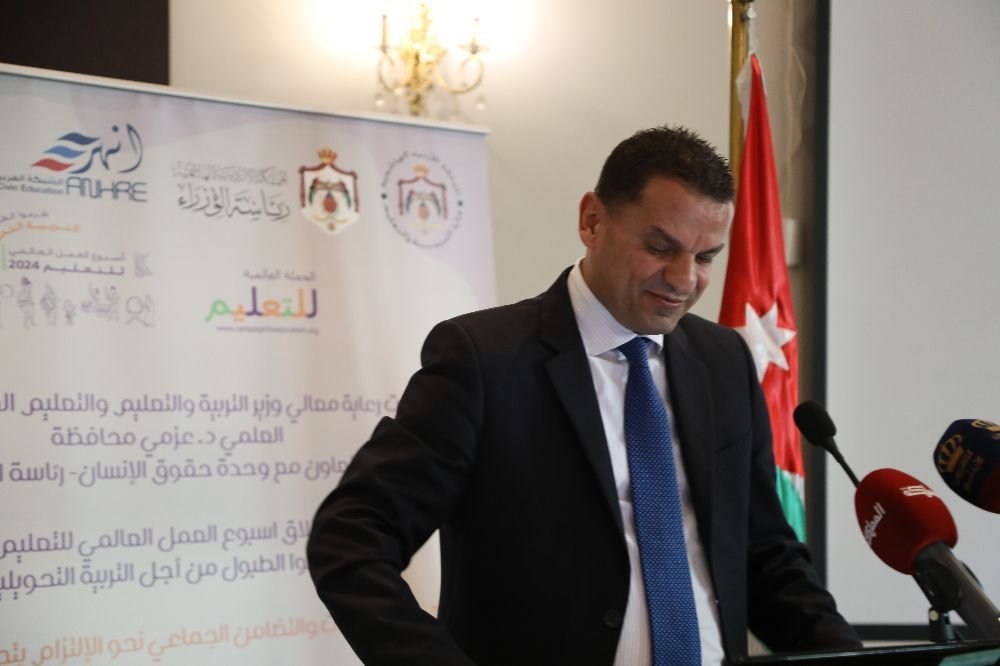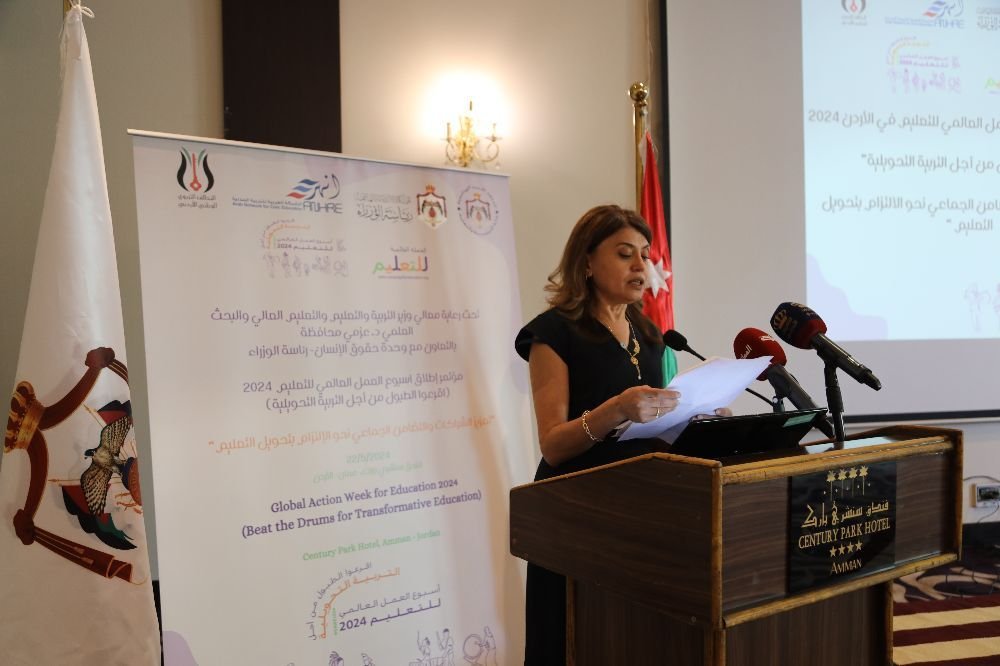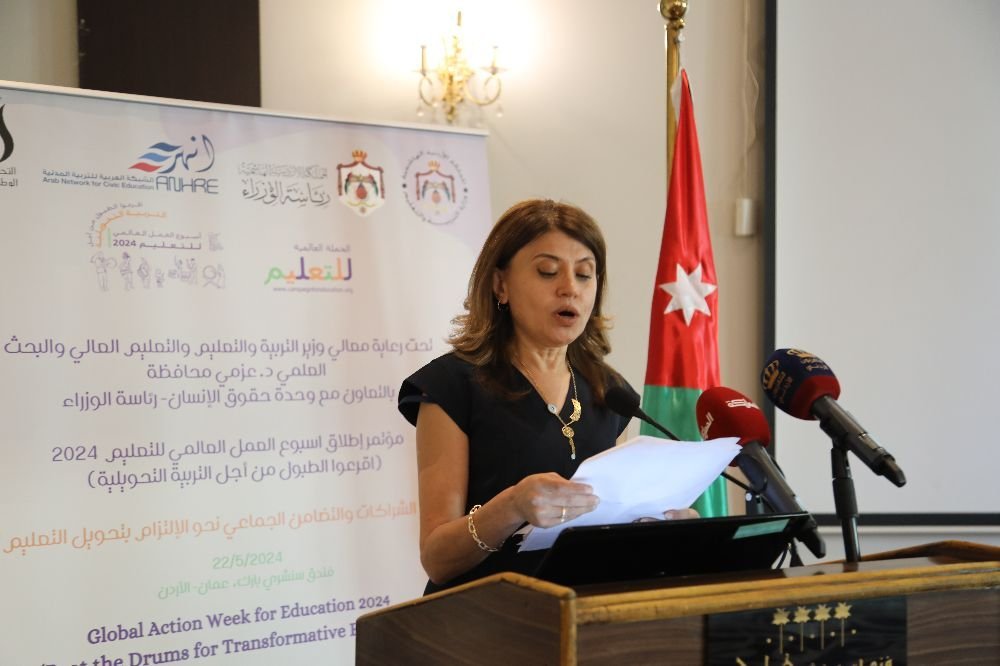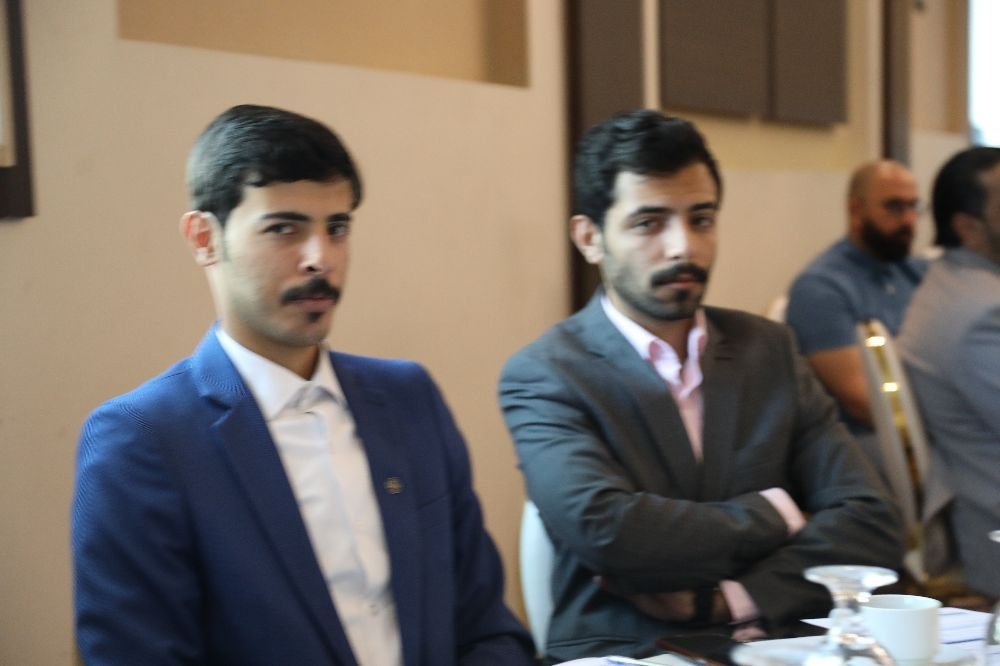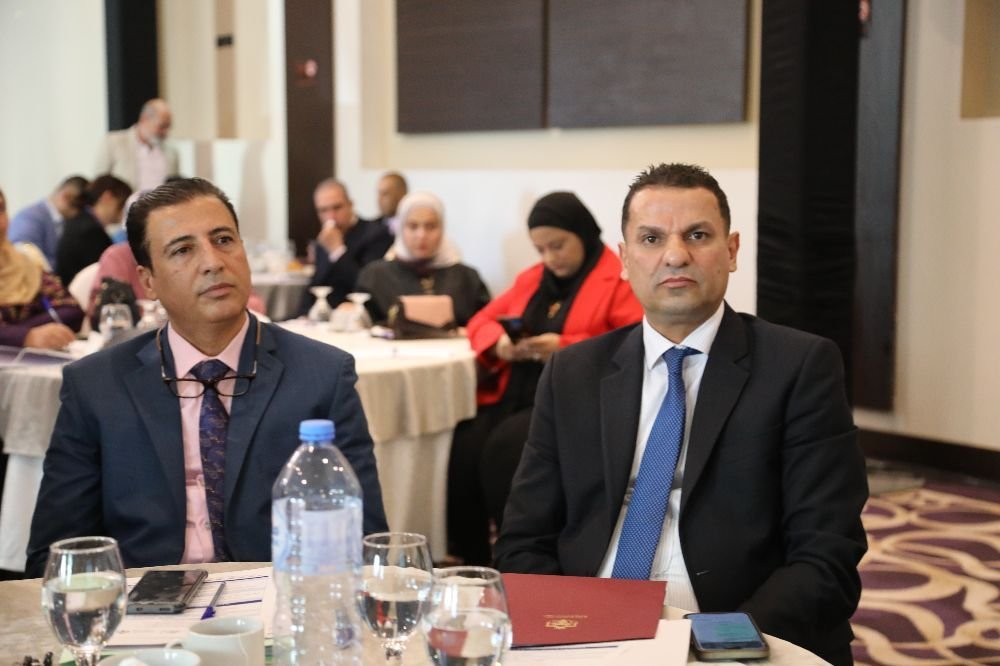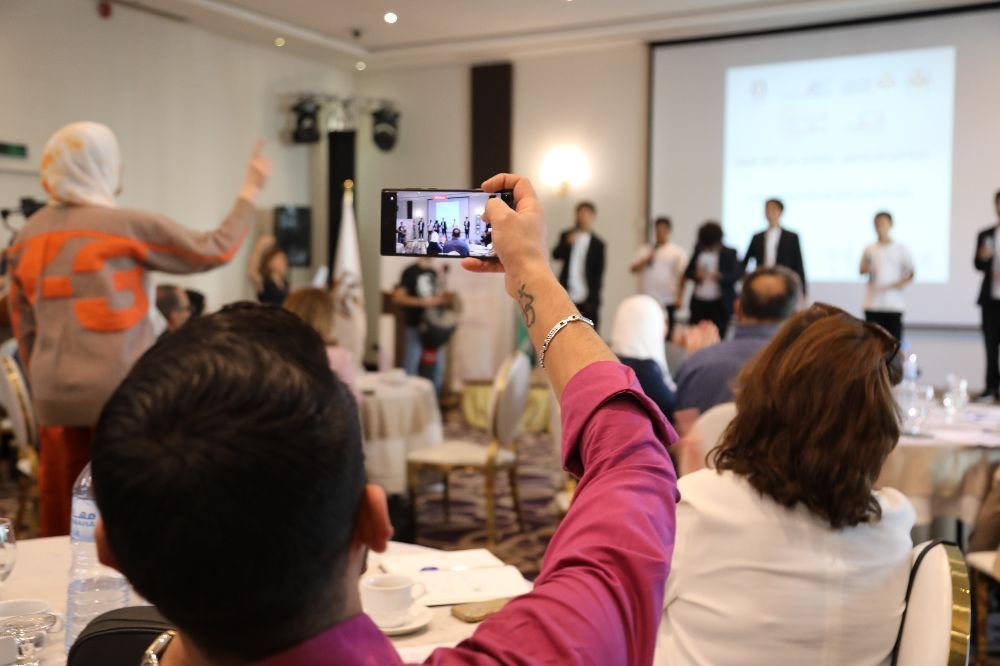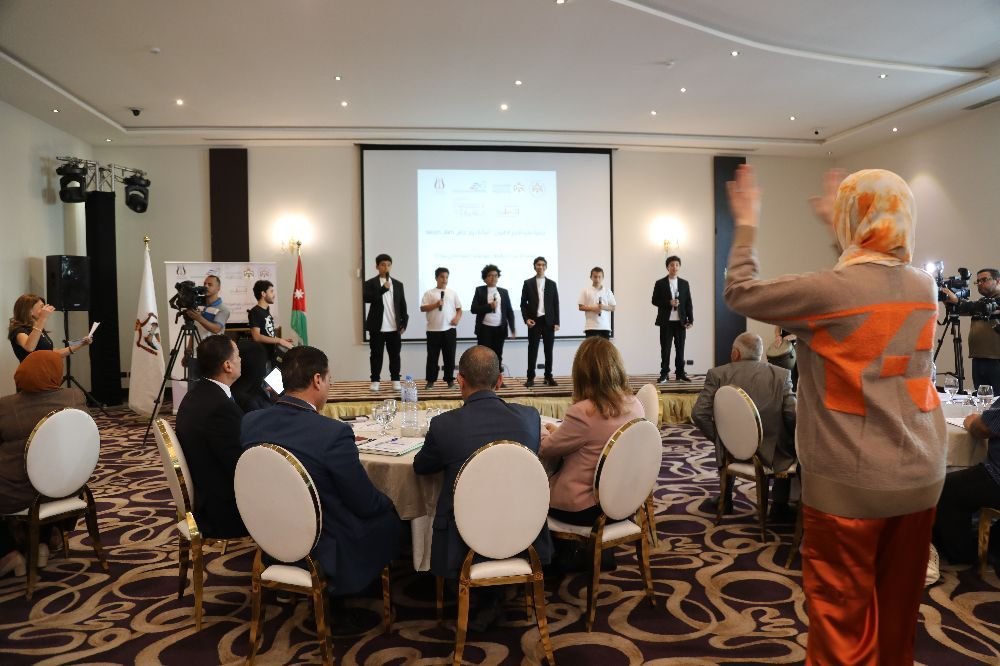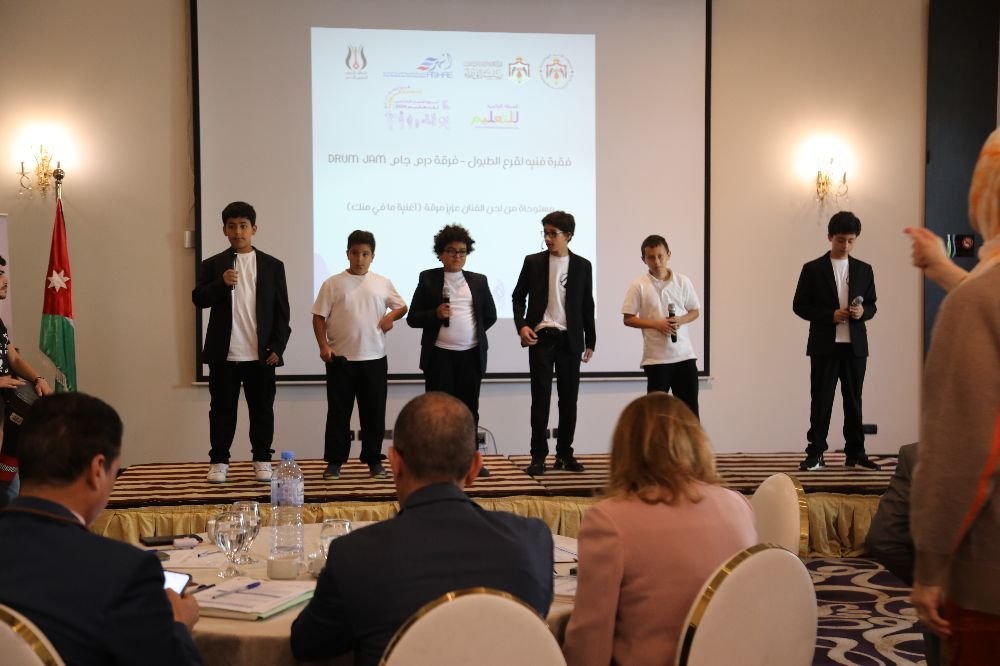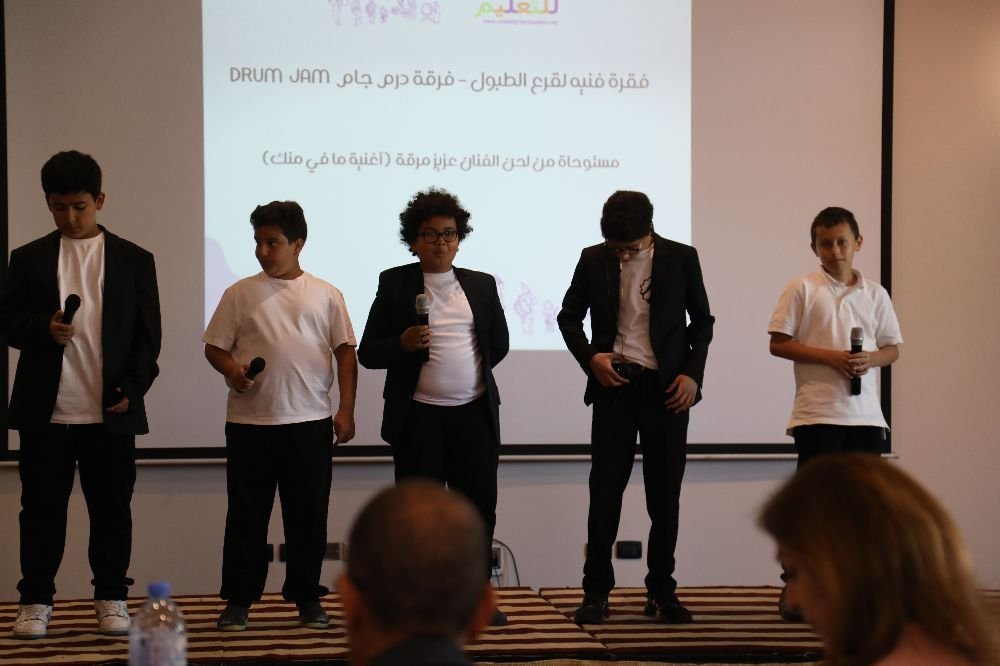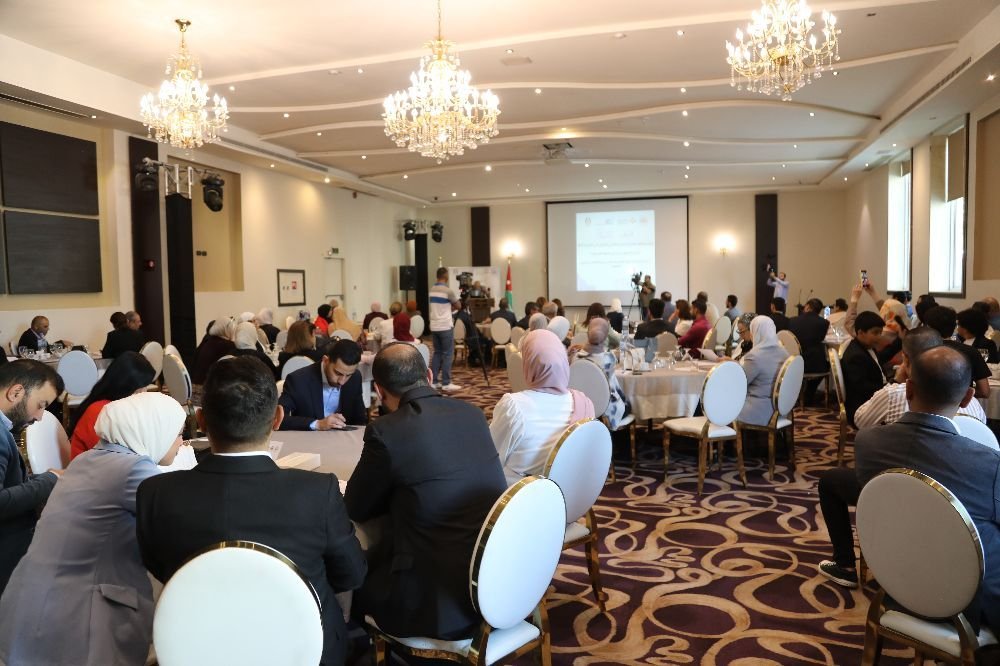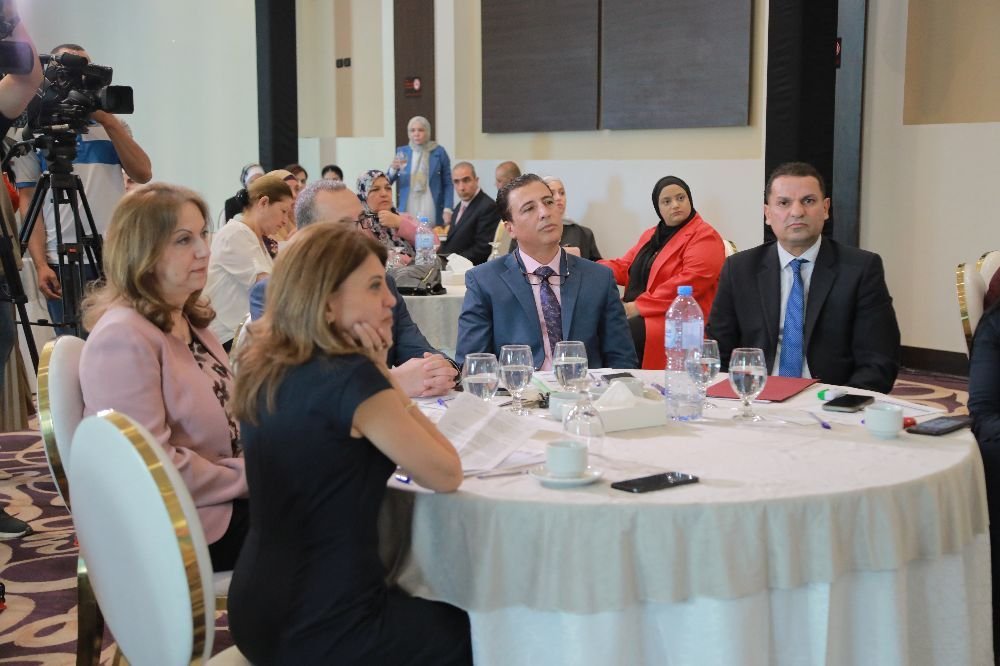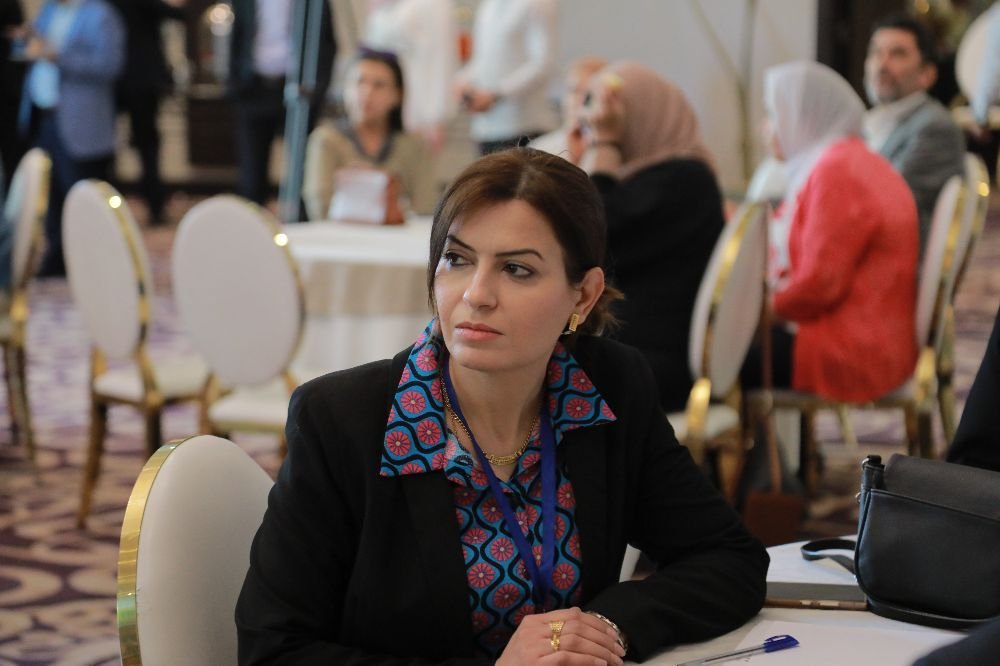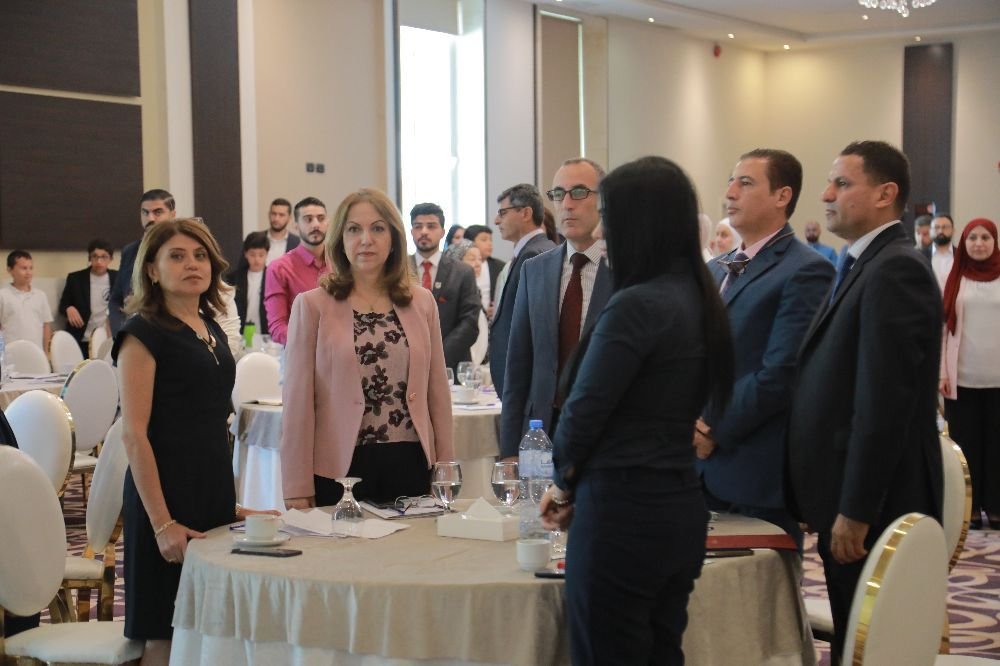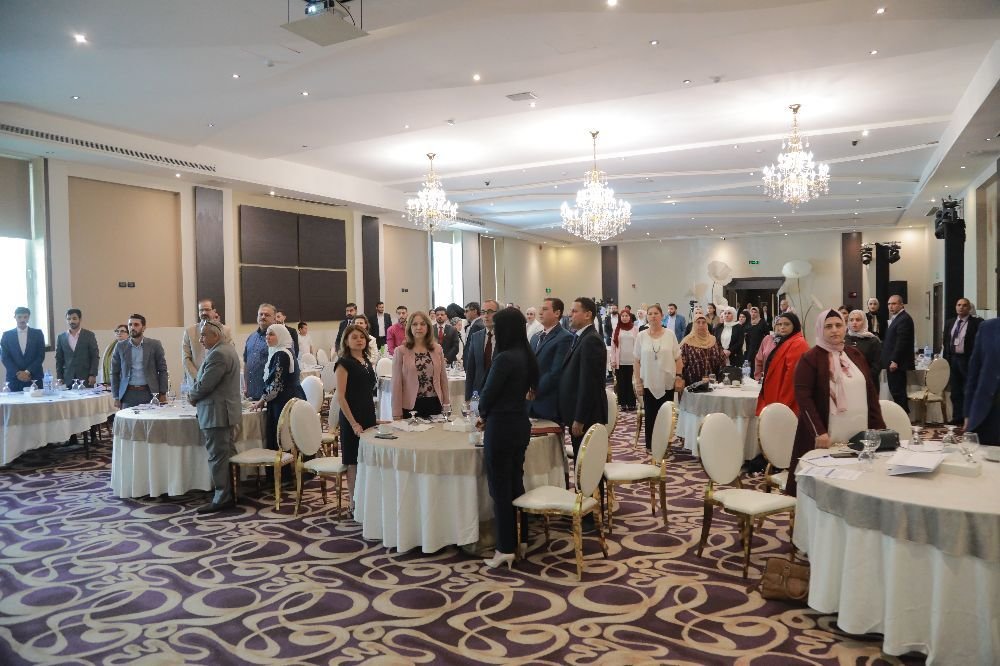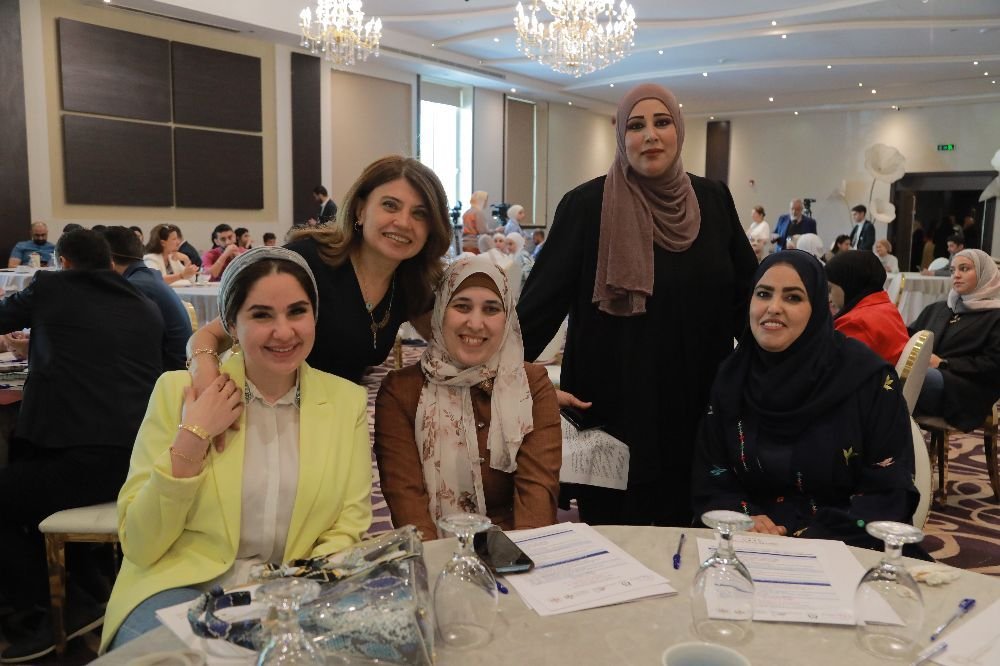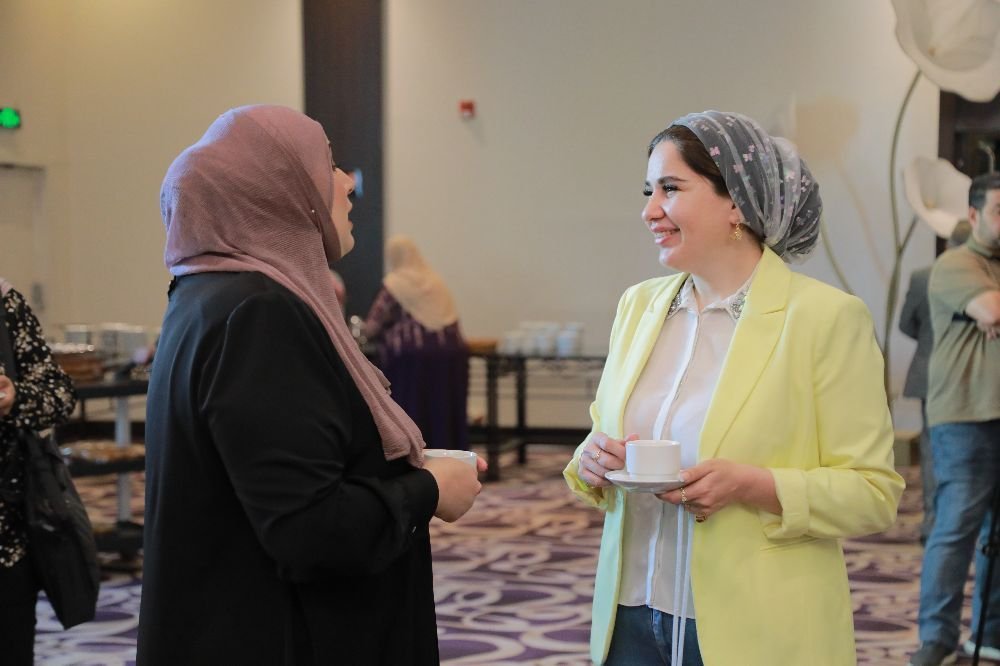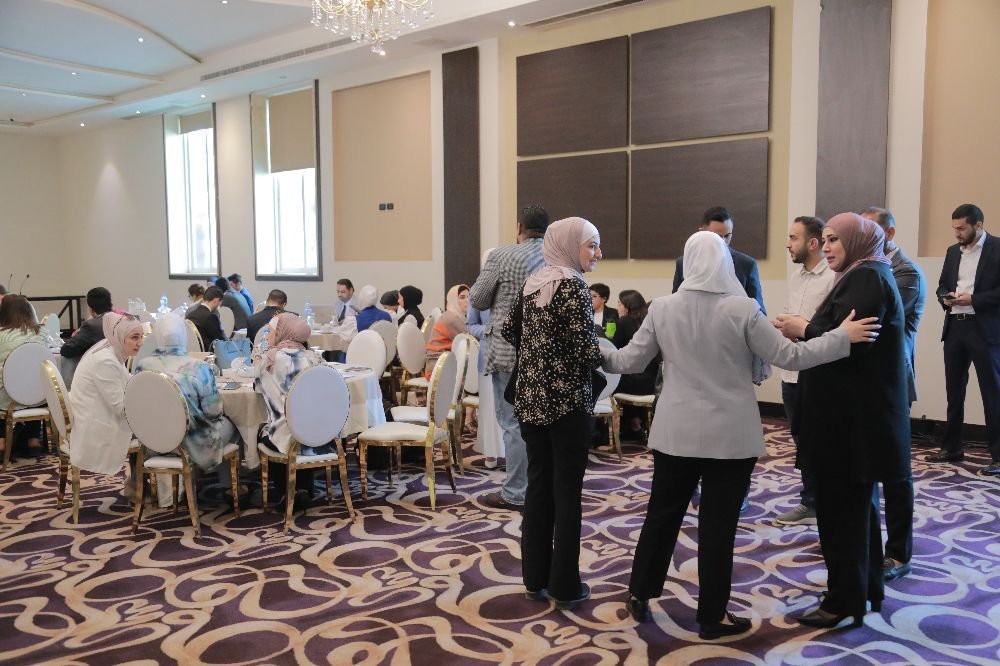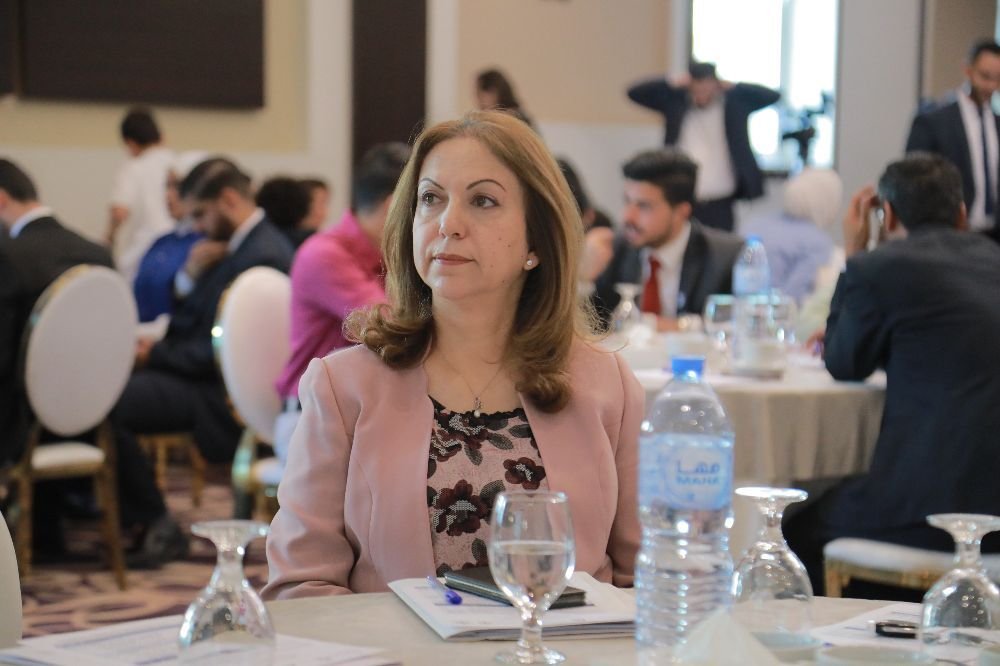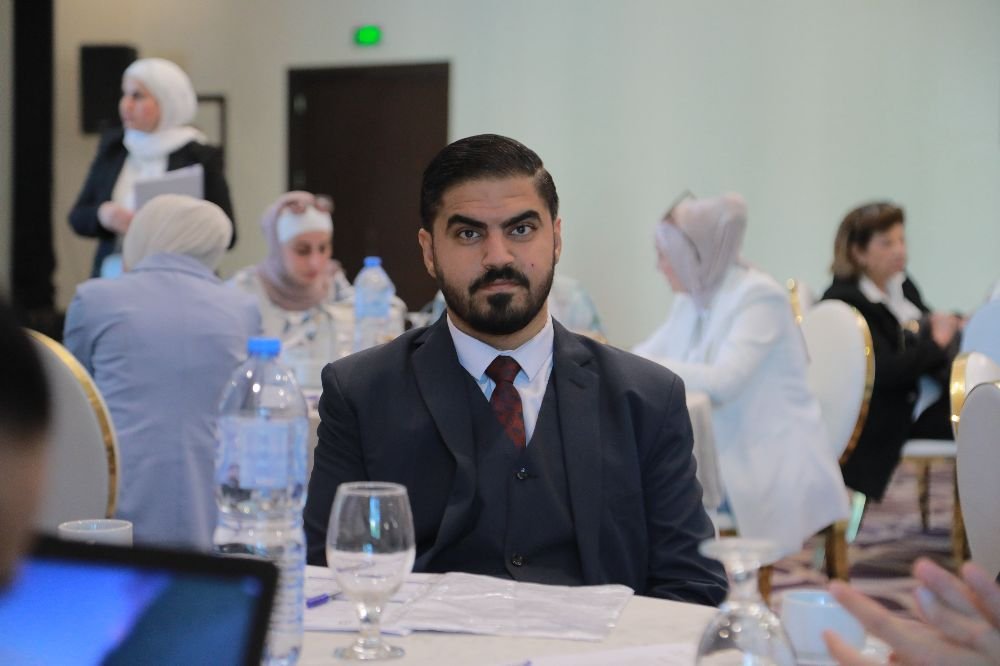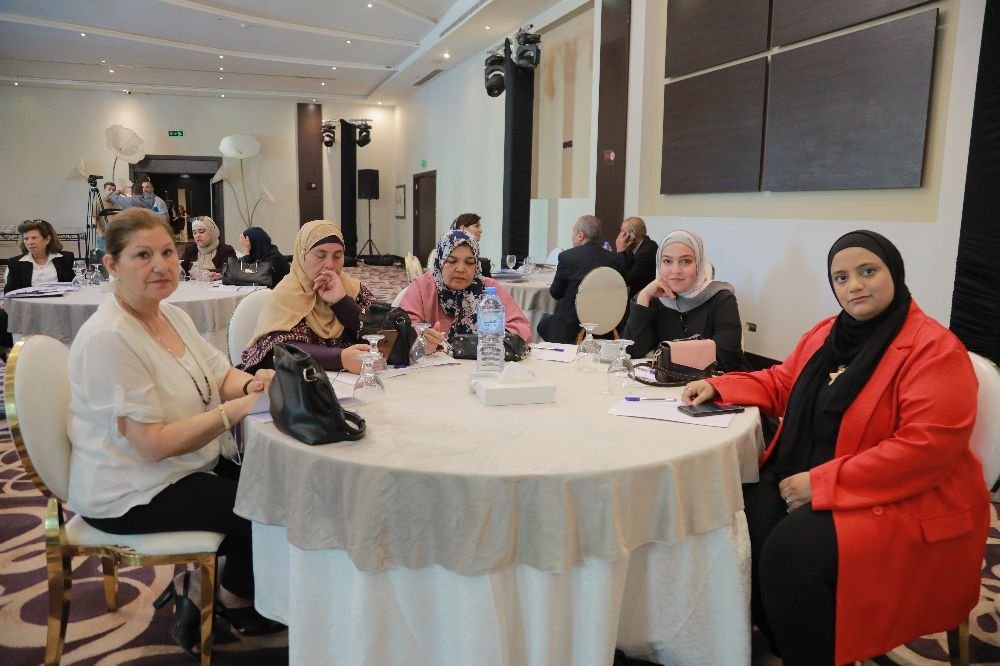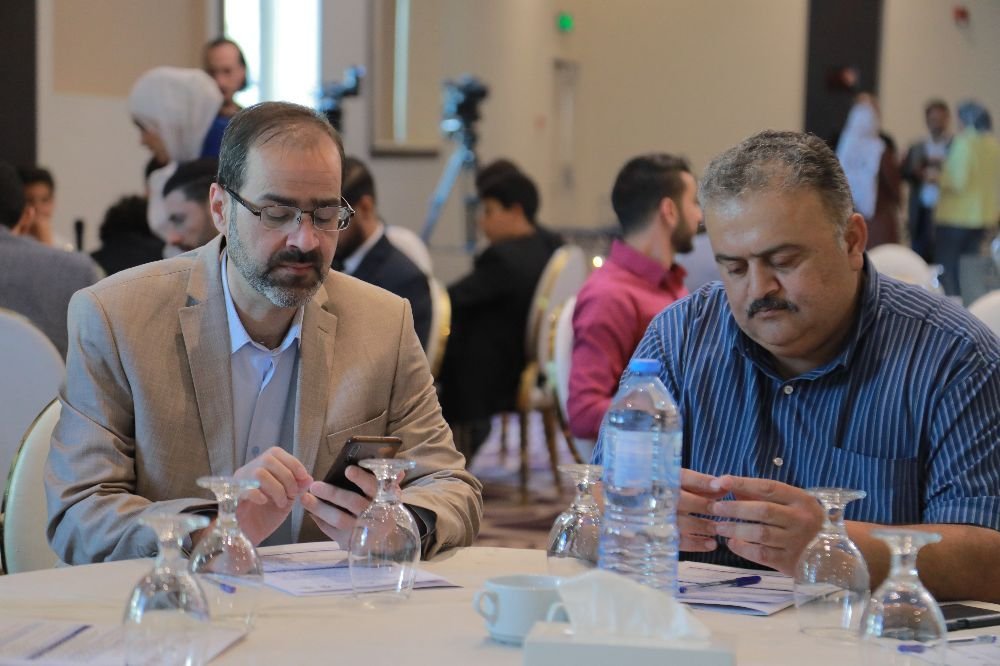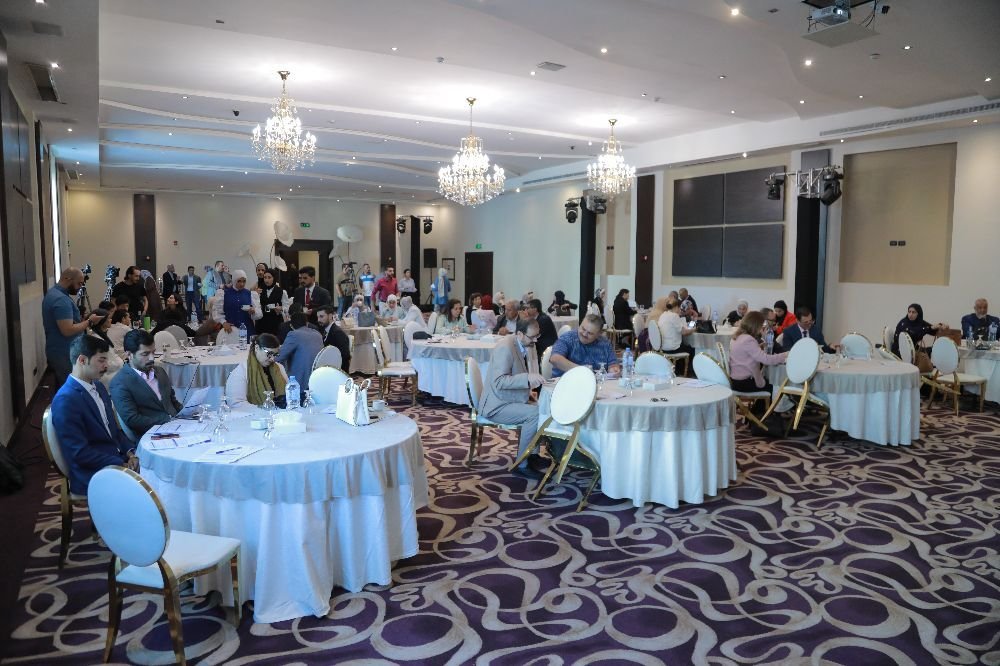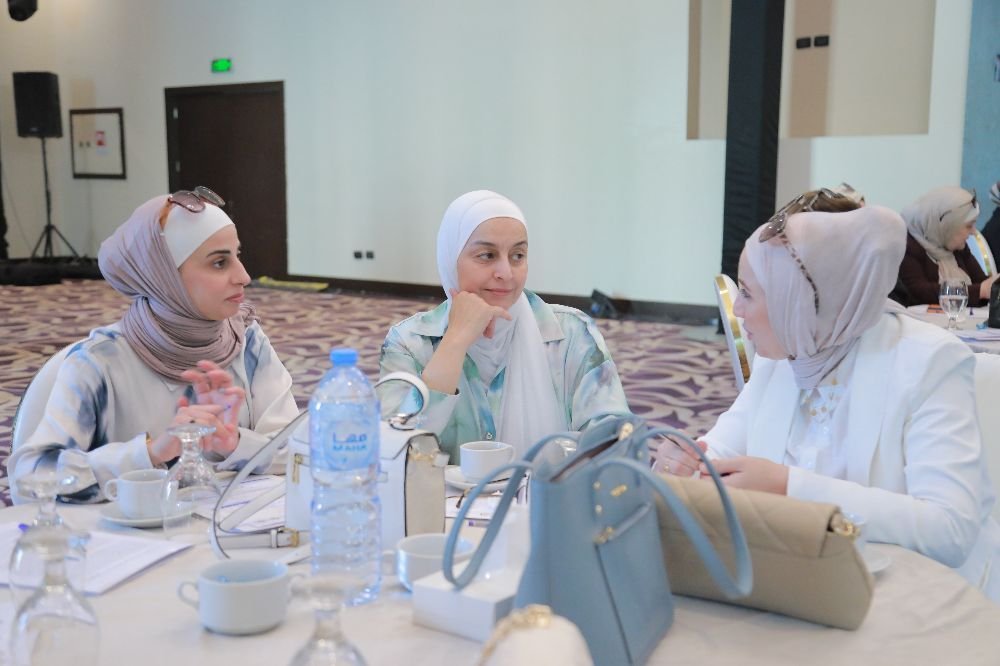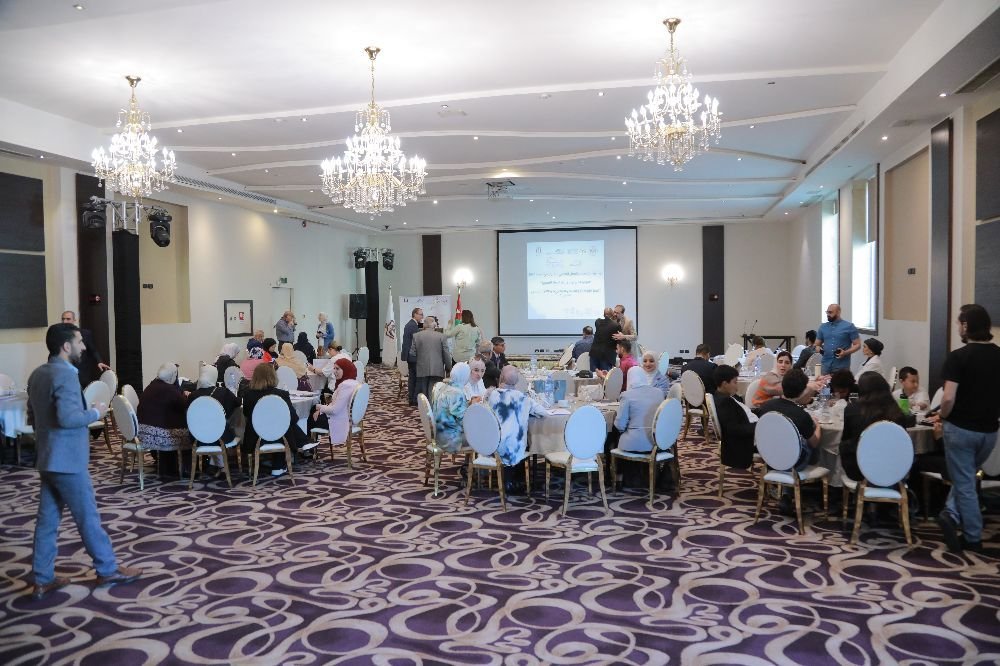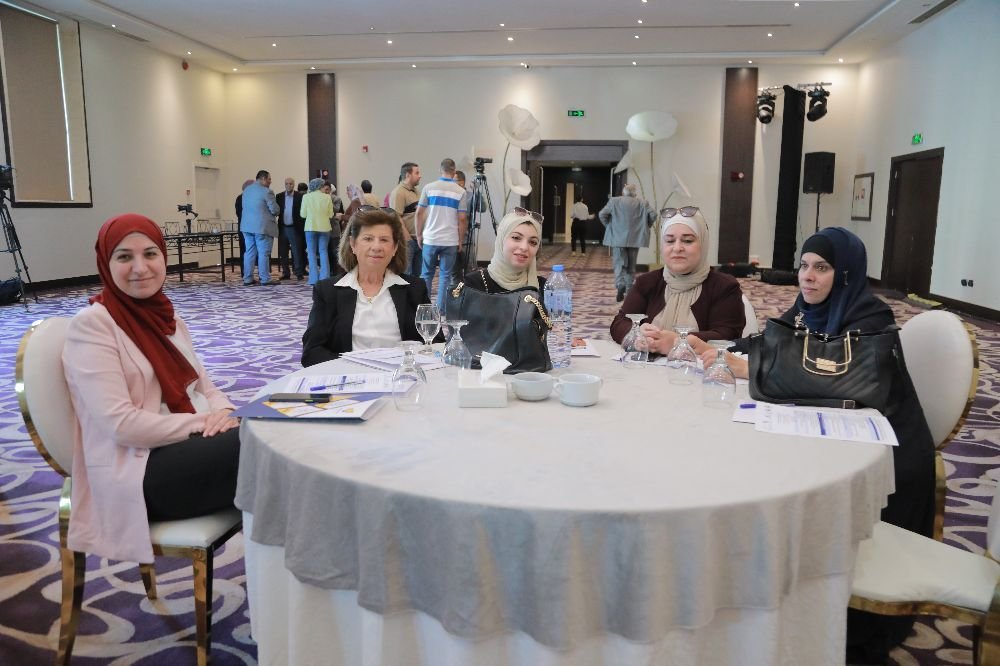
Under the patronage of H.E. the Minister of Education, Higher Education and Scientific Research, Dr. Azmi Mahafzah, and in cooperation with the Human Rights Unit at the Prime Ministry, the Arab Network for Civic Education (ANHRE) and the Jordan Coalition for Education for All launched the 2024 Global Action Week for Education in Amman on 22 May 2023, under the theme “Transformative Education Builds Social Justice, Peace, and Sustainable Development.”
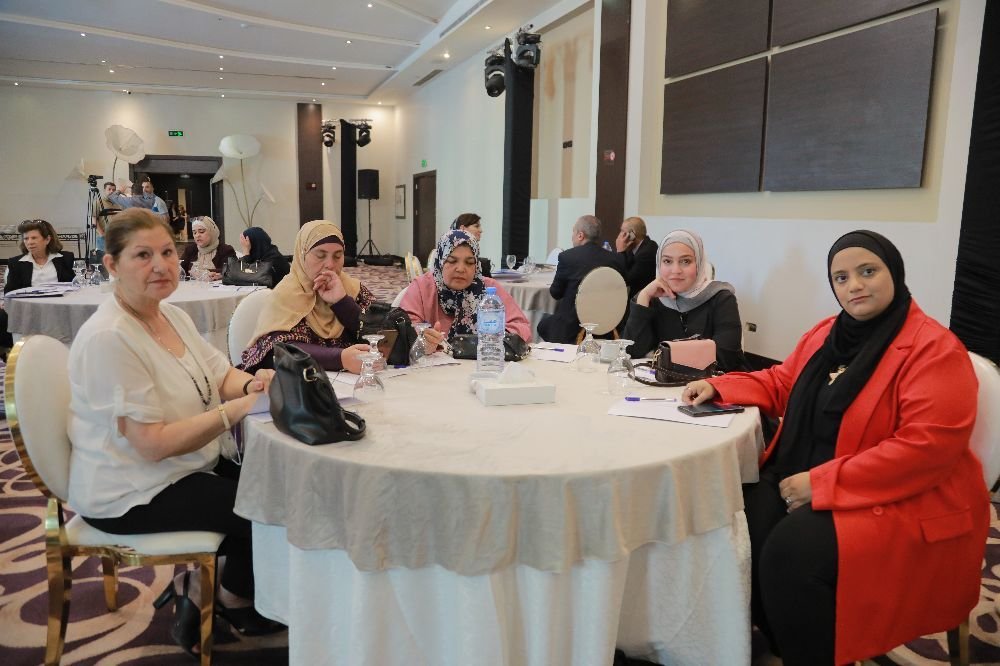
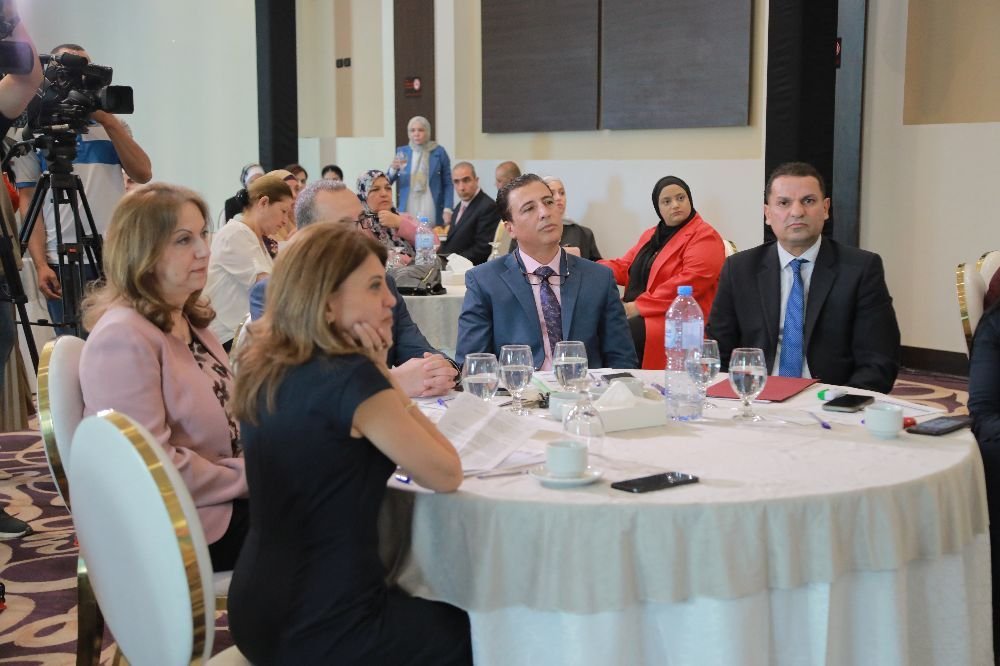
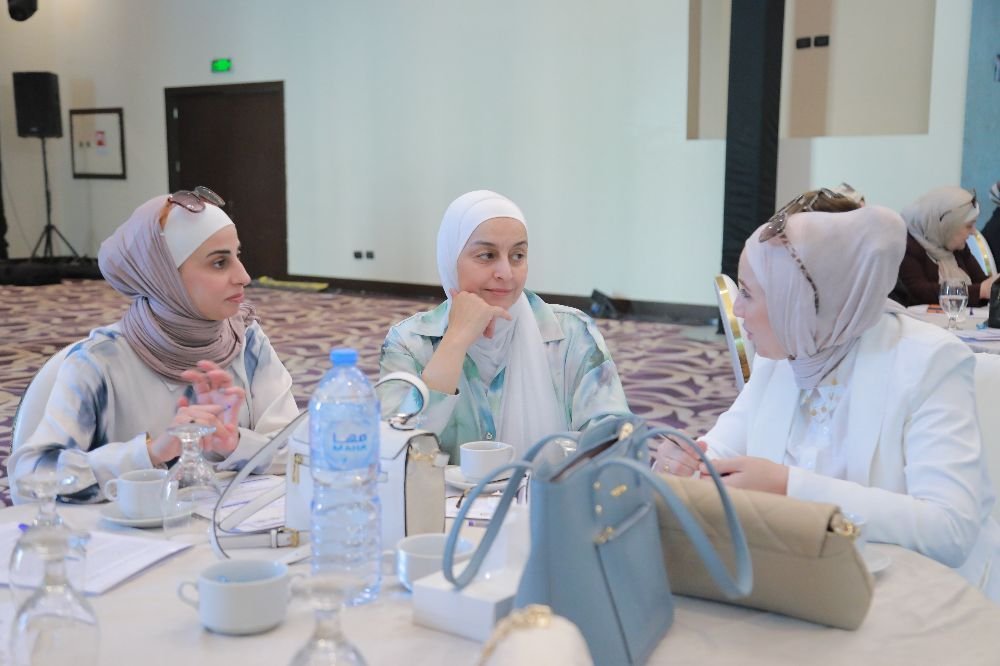
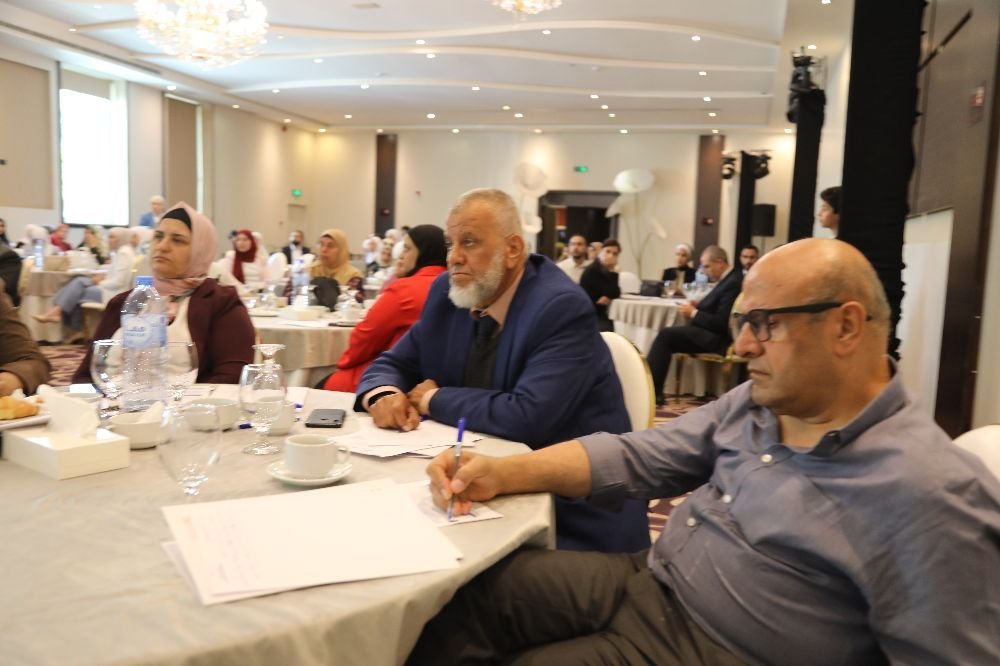
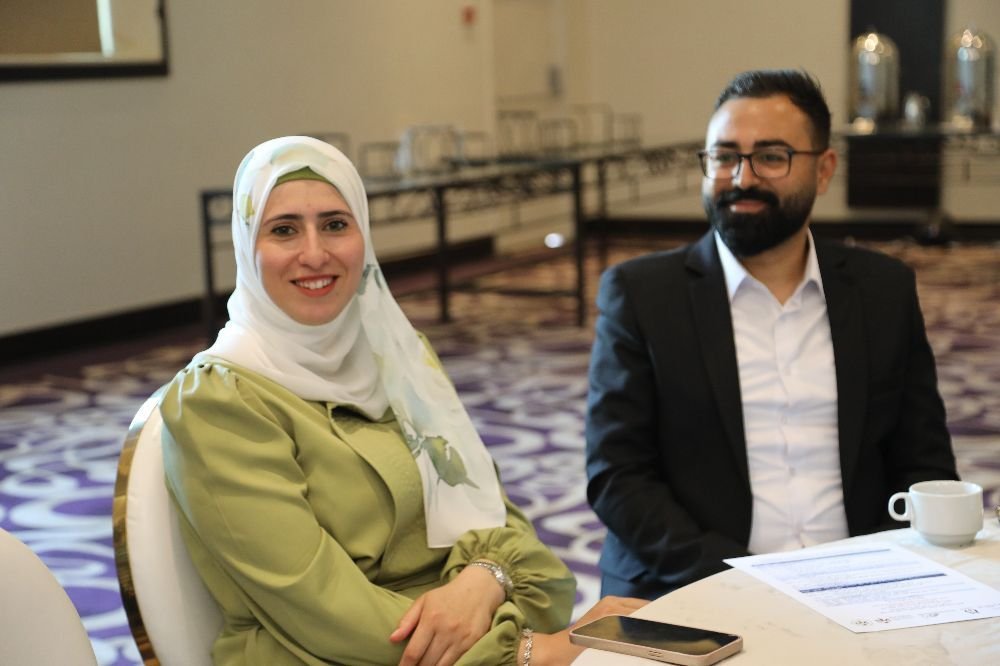
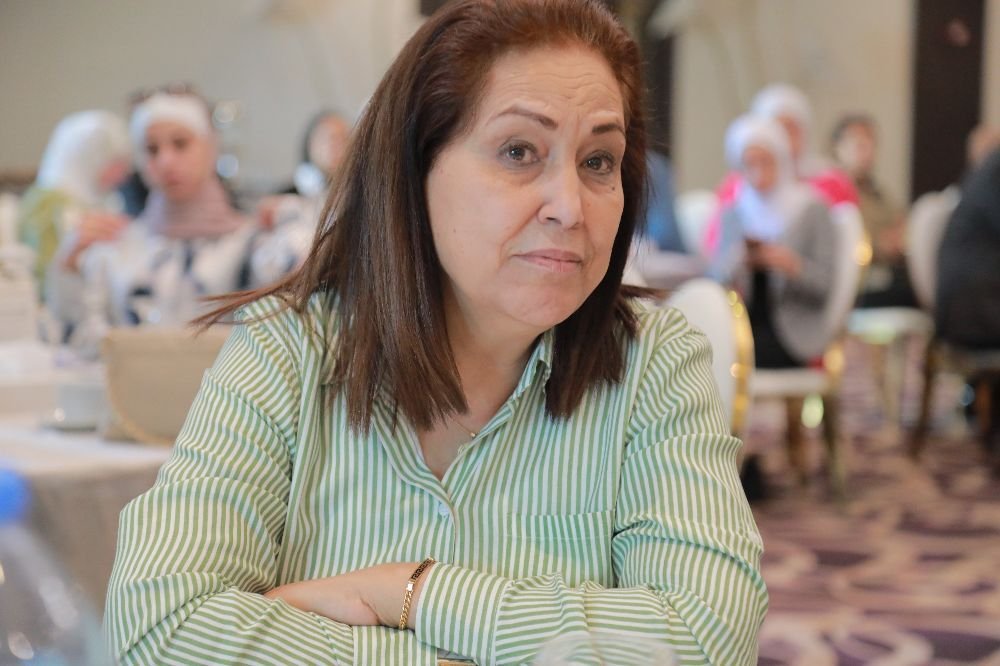
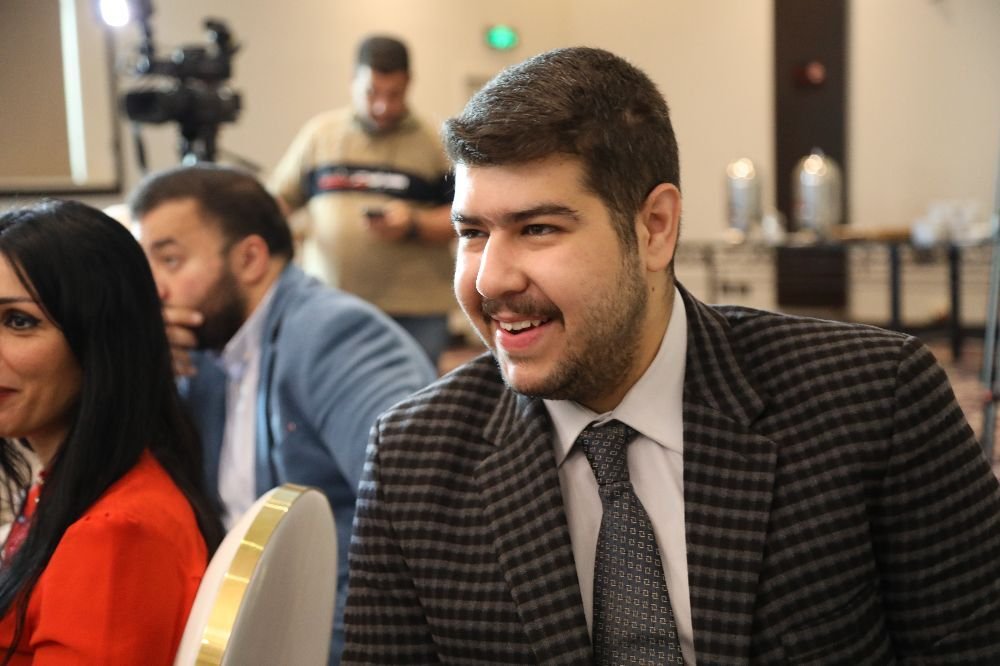
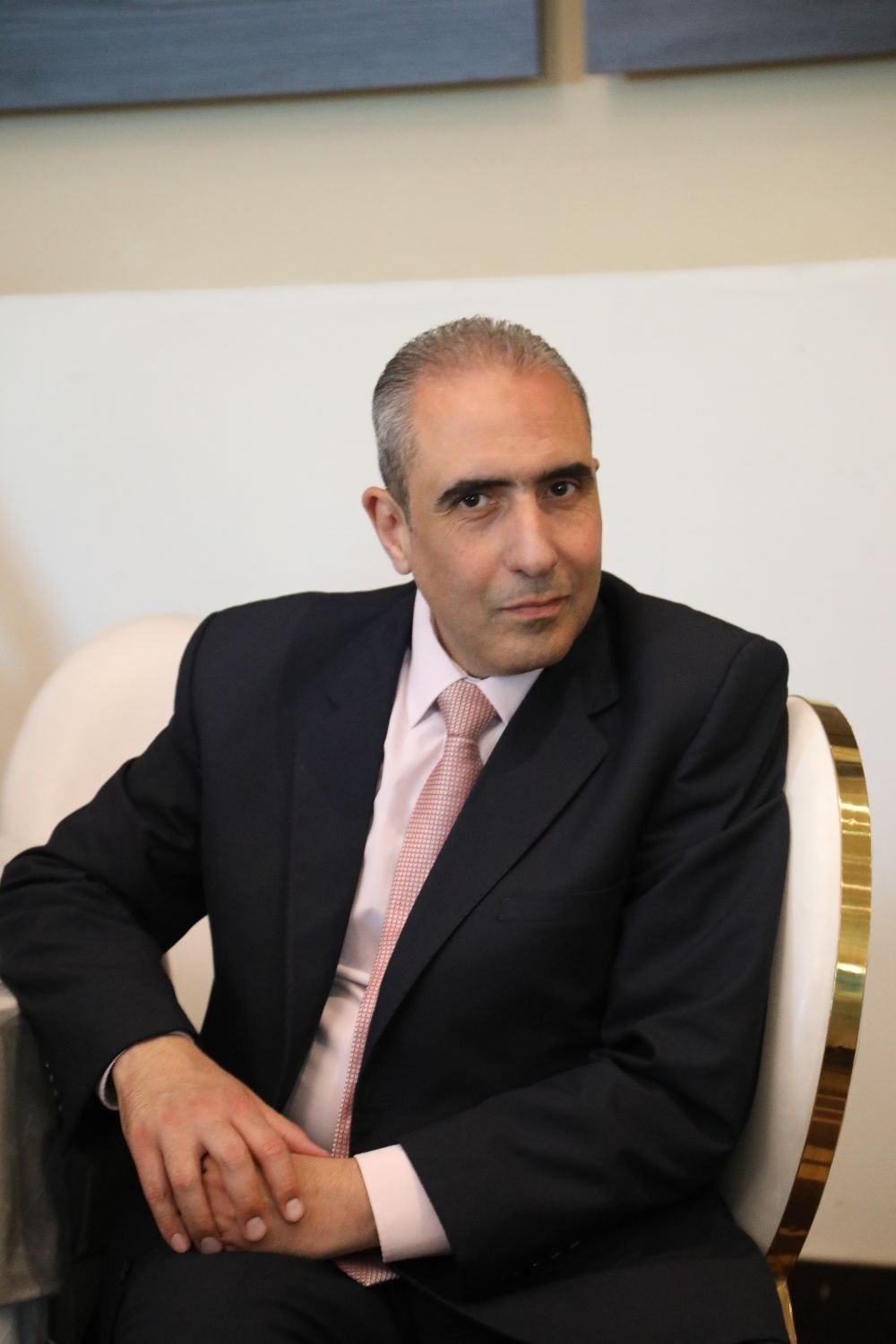
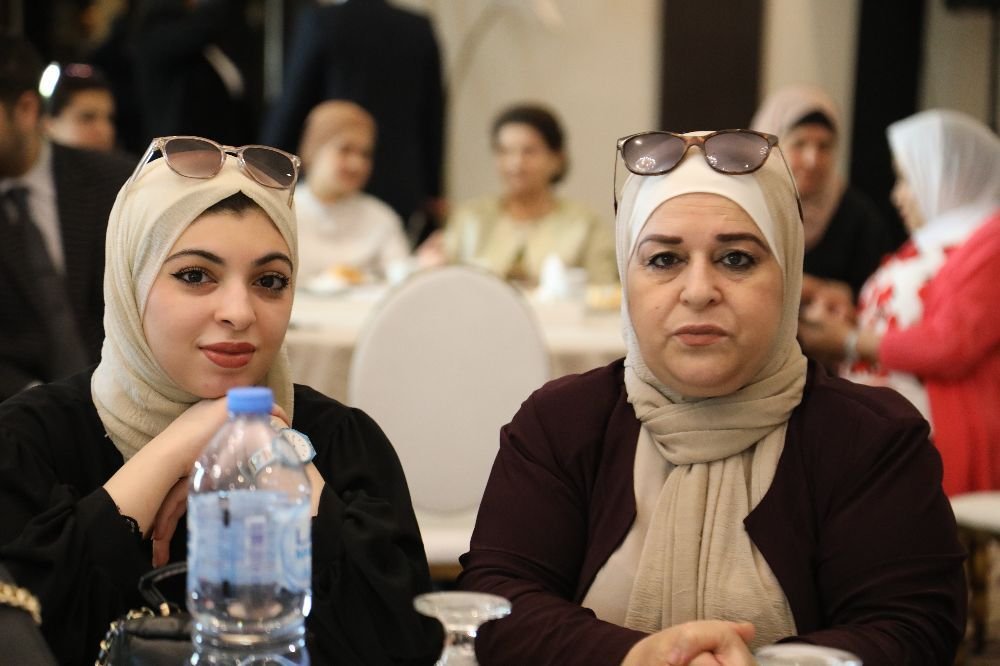
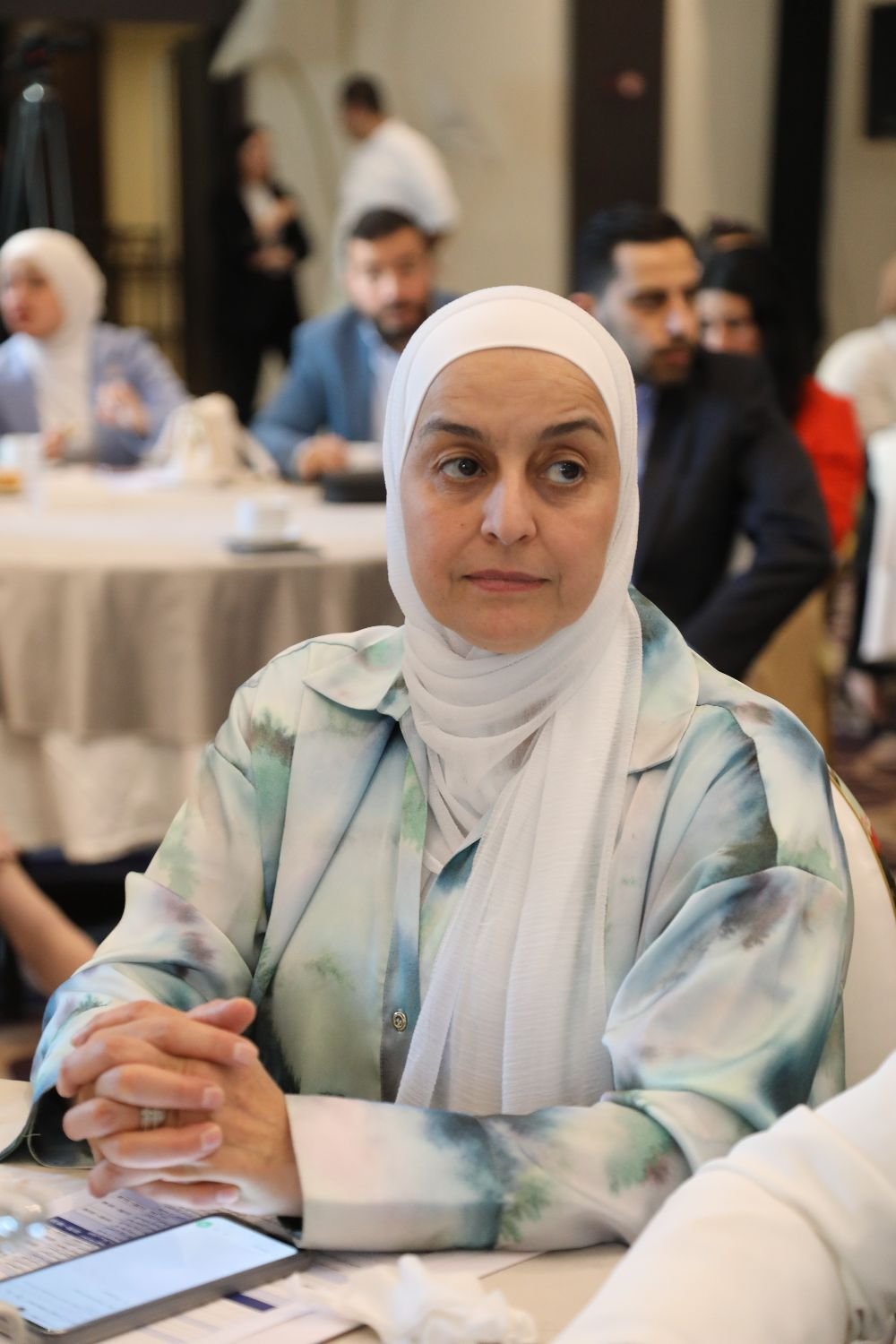
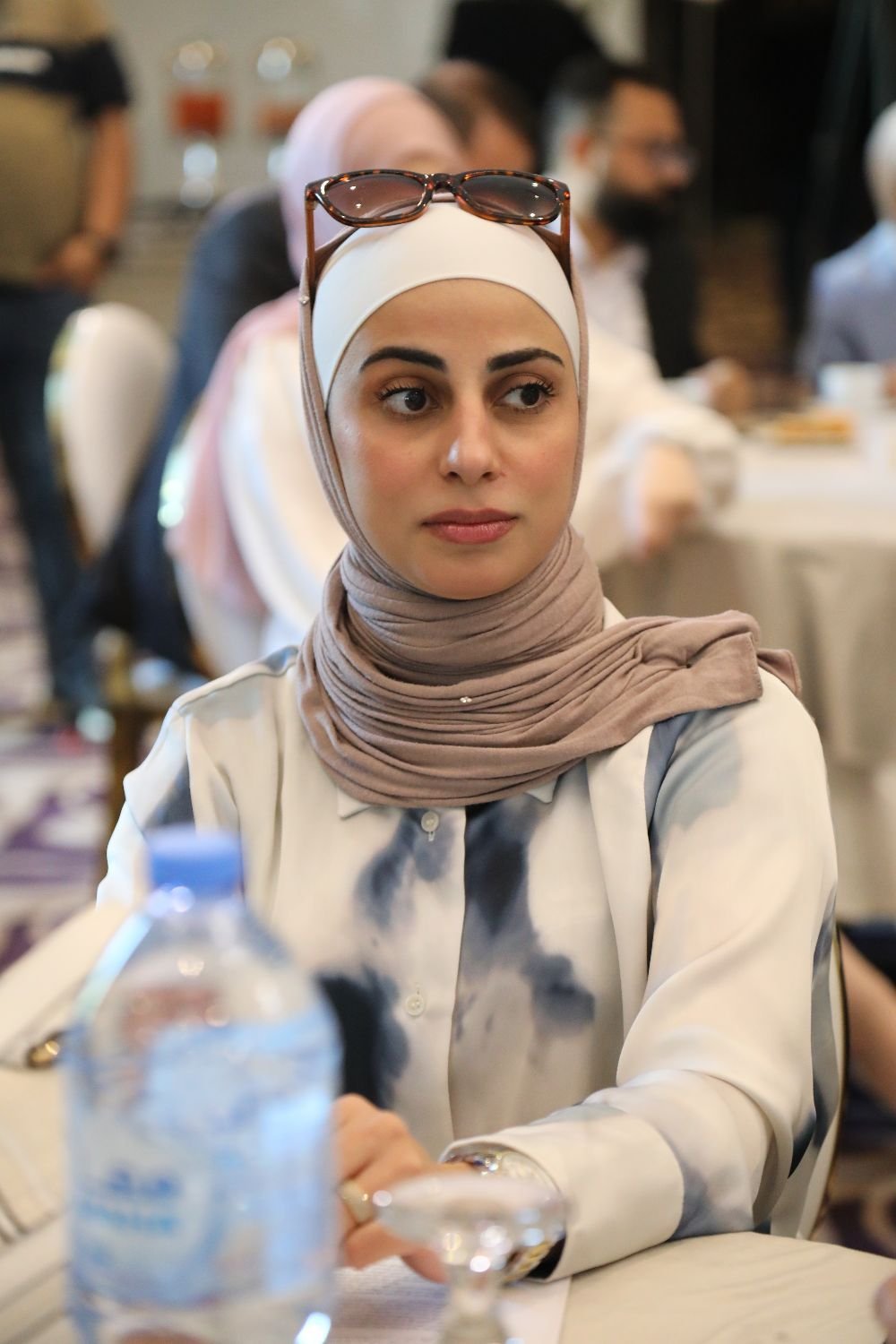
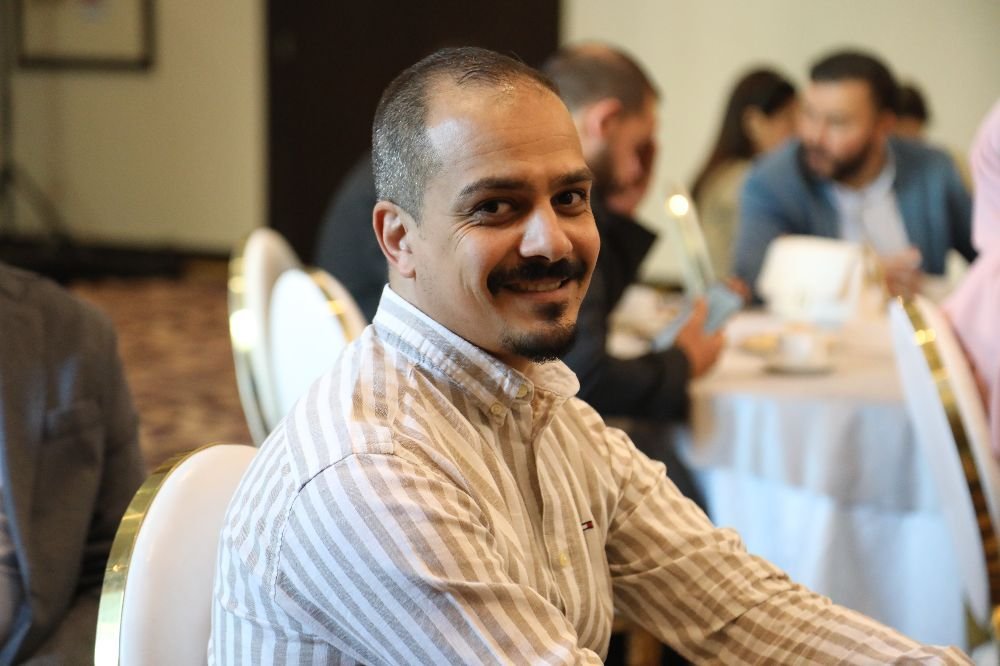
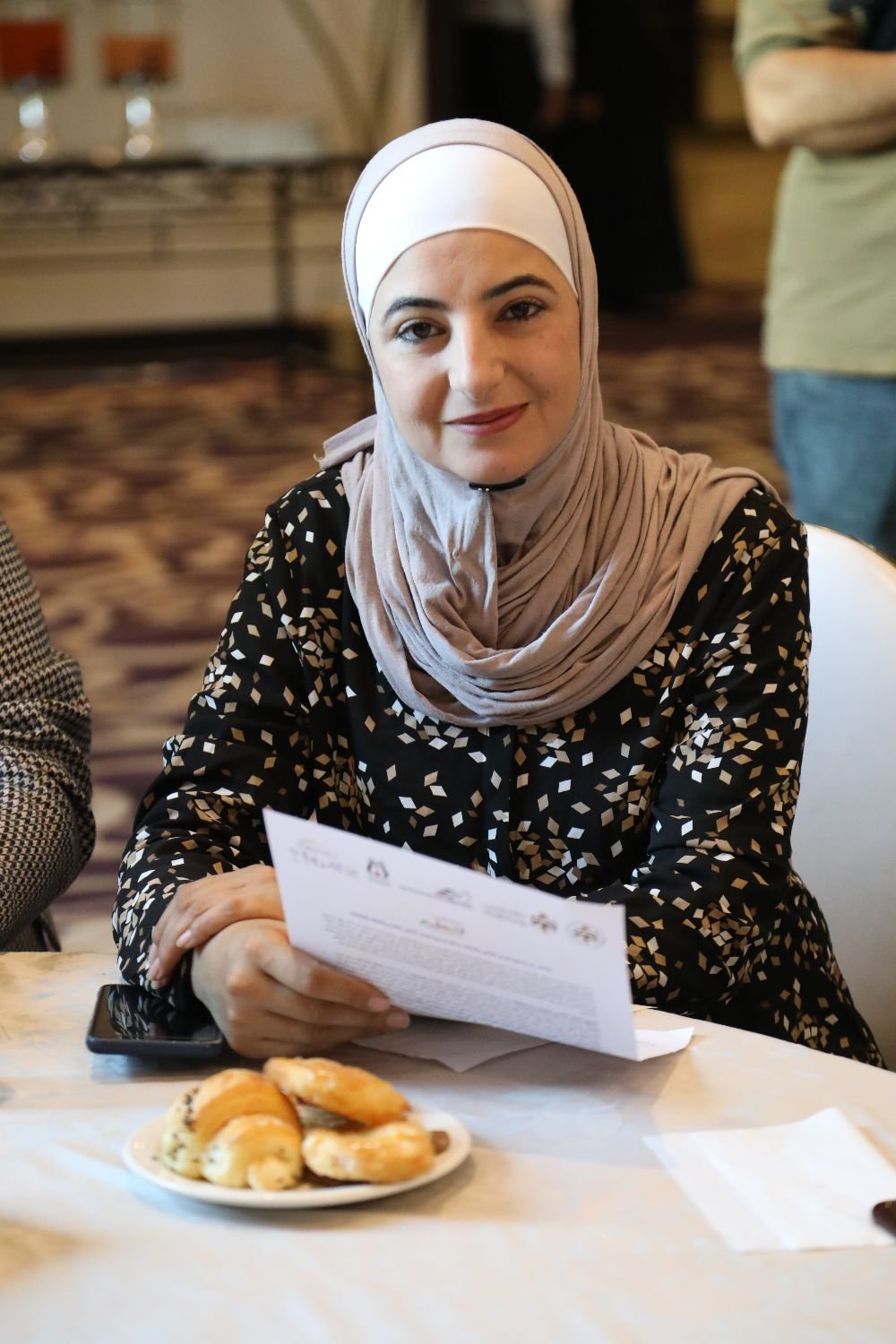
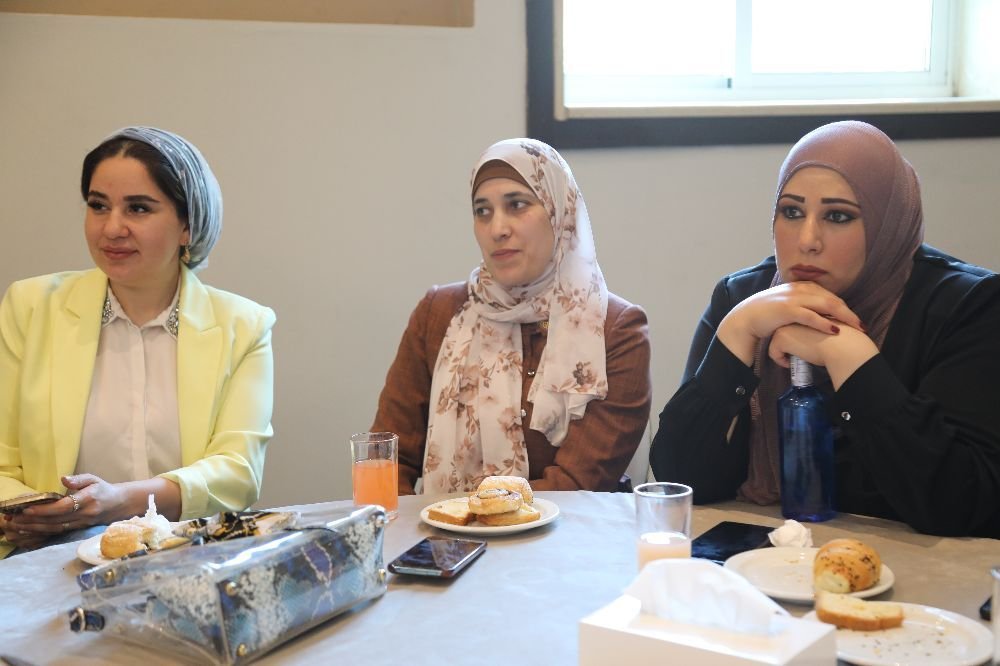
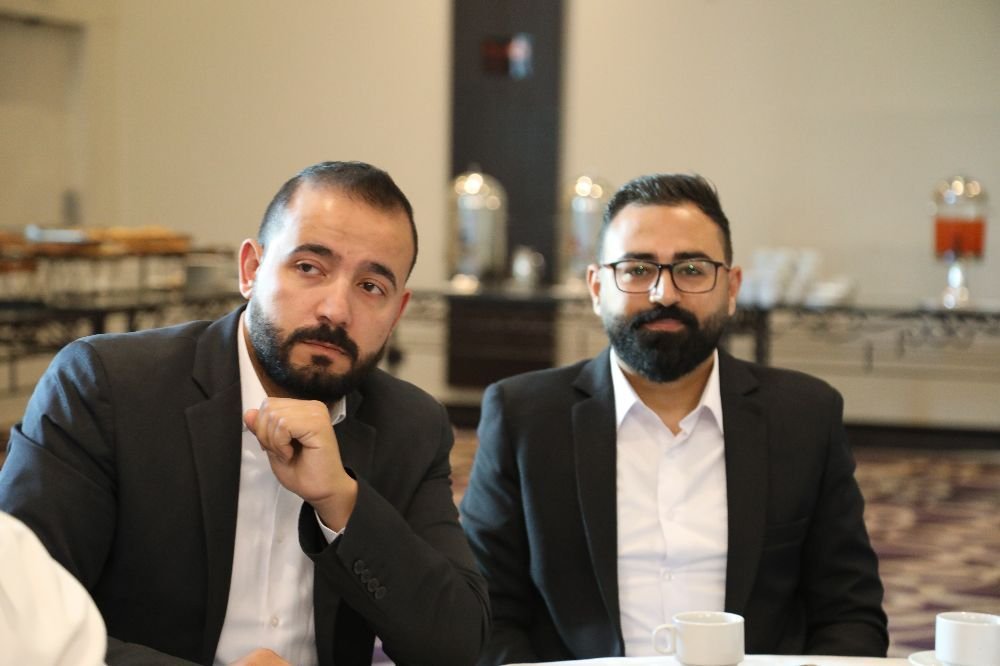
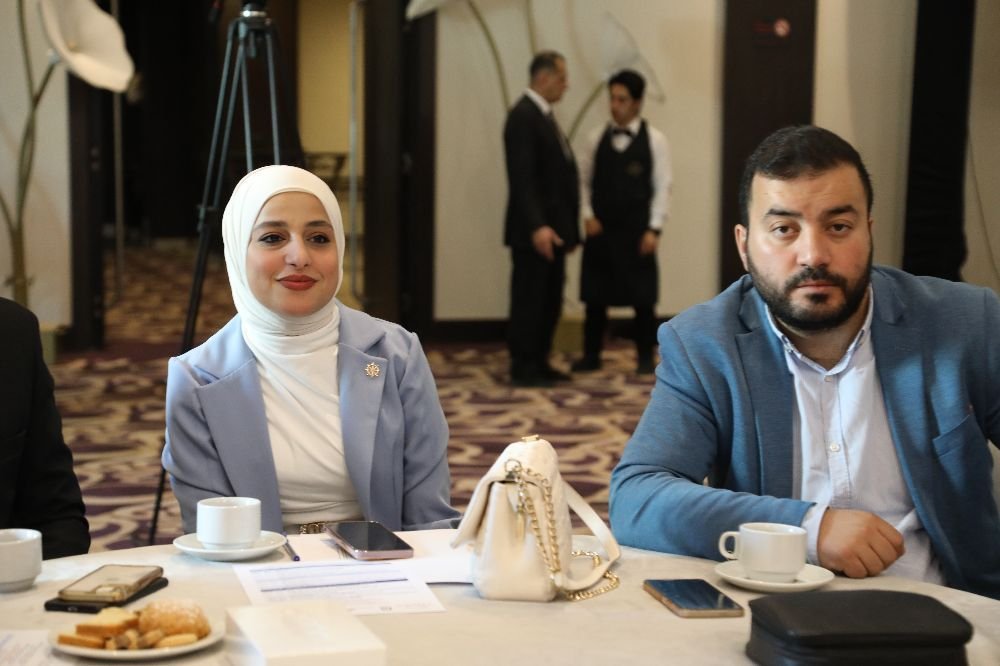
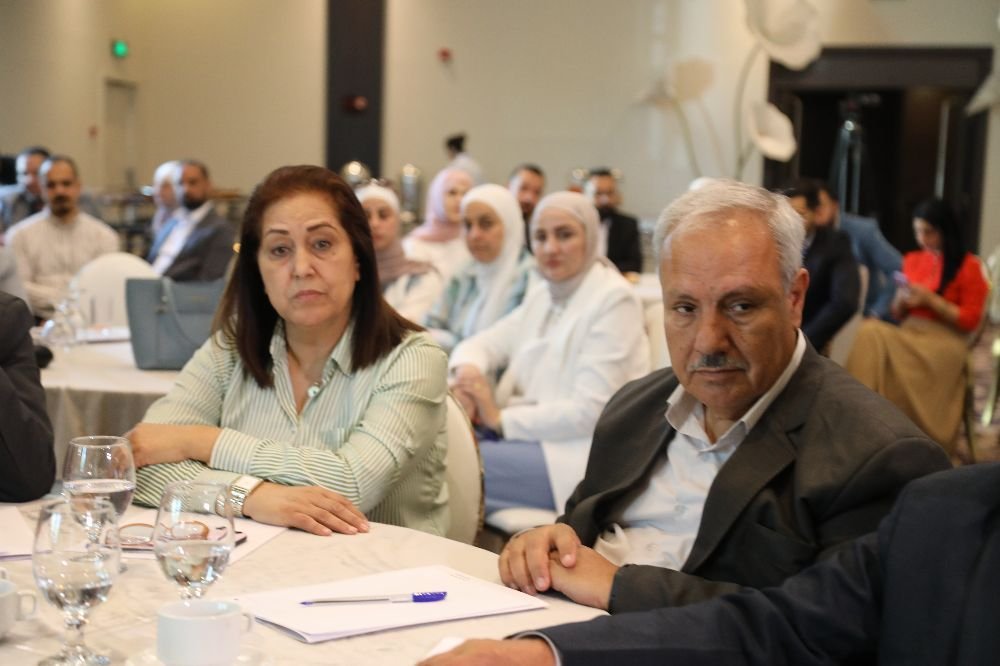
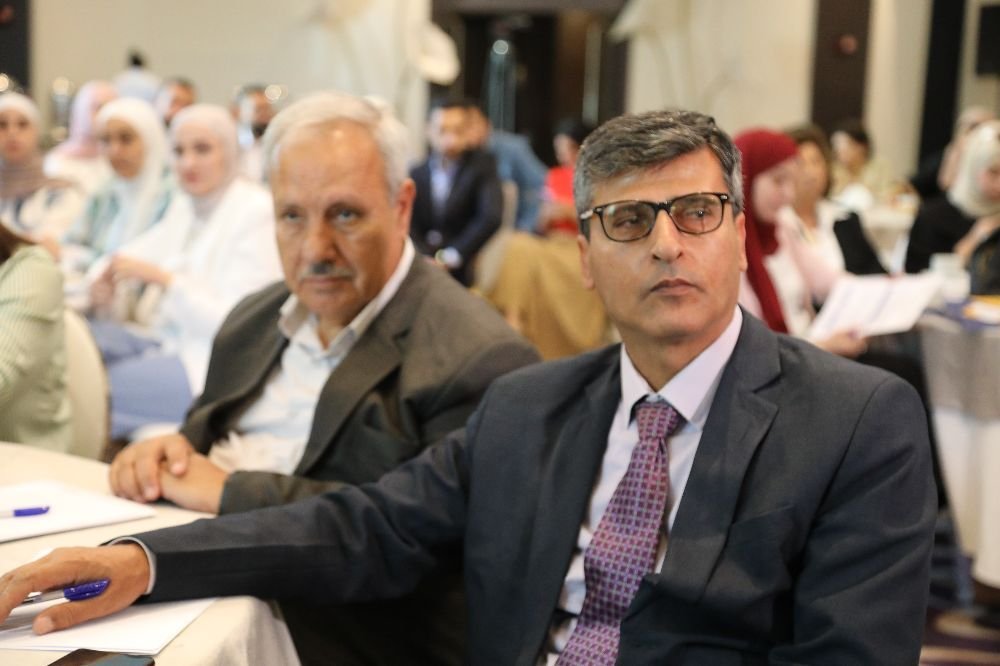
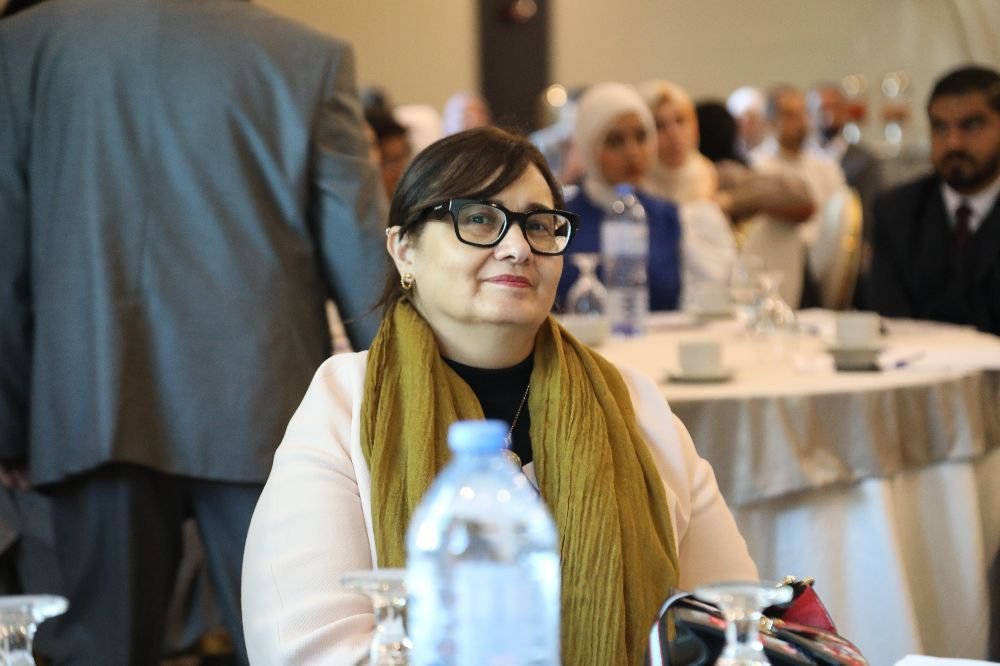
The launch conference in Jordan was attended by H.E. the Minister of Education, representatives of relevant planning and supervision departments from the Jordanian Ministry of Education and the Prime Ministry, members of the Jordan Coalition for Education for All and the Arab Network for Civic Education from civil society organizations at the local and national levels, a large number of researchers and education experts, youth groups interested in education, and several national institutions.
Global Action Week for Education is an annual campaign organized by the Global Campaign for Education around the world to raise awareness of the importance of providing education for all. It is a key moment for the global education movement, with countries from around the world participating each year. The week brings together students, teachers, parents, decision-makers, activists, and civil society organizations to demand action to ensure quality education for all.
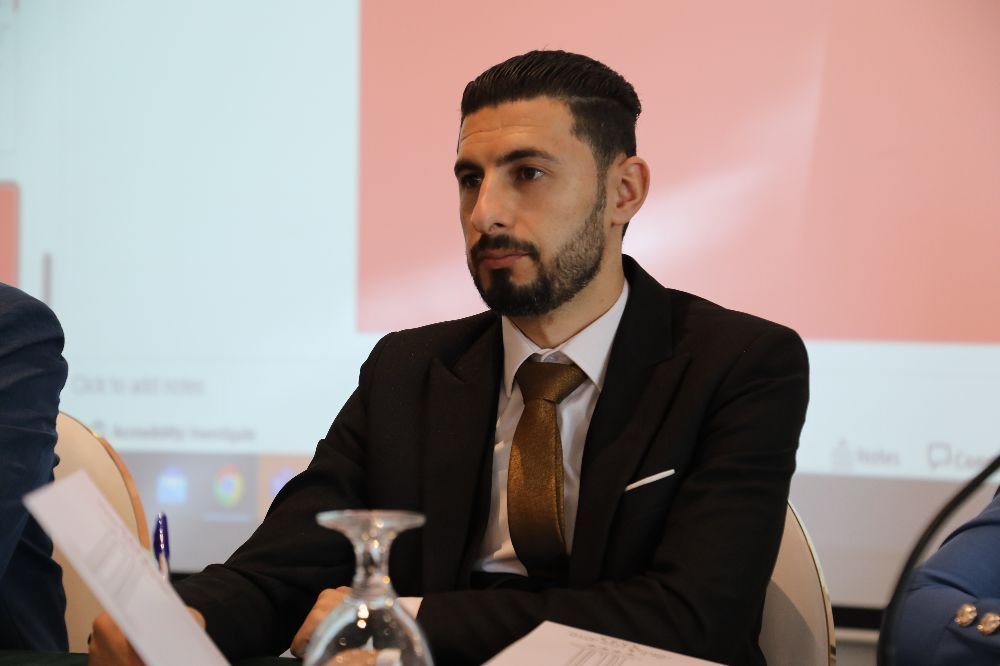
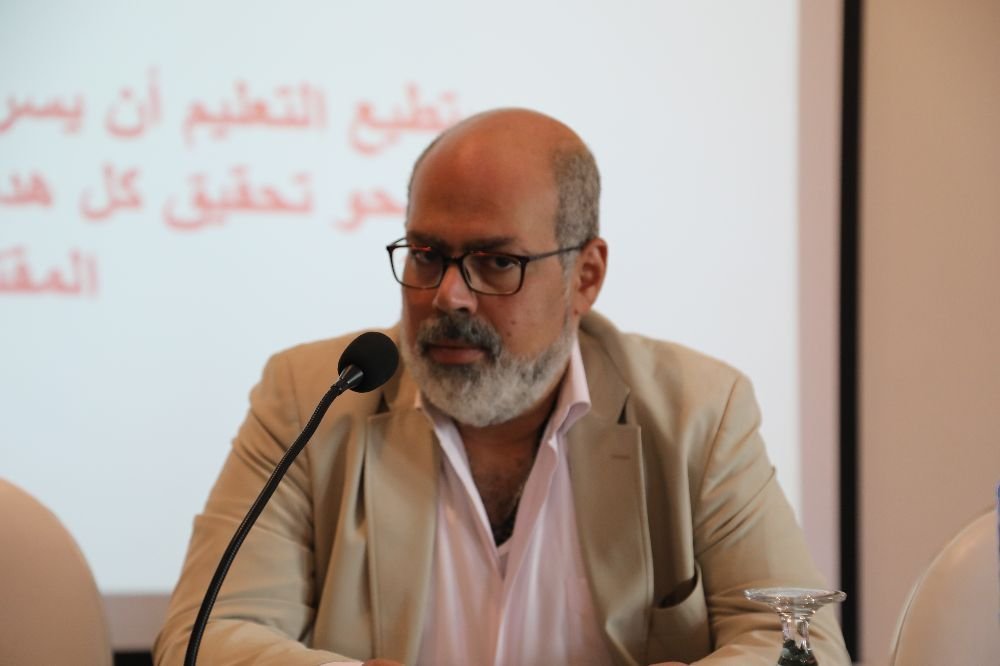
Ms. Fotouh Younes, Executive Director of the Arab Network for Civic Education (ANHRE), noted that this year’s Global Action Week focuses on transformative education. It aims to advocate for including transformative education as a key theme on the agenda of the Summit of the Future, highlight the diverse perspectives of children, youth, and adults on transformative education, and hold governments and other decision-makers accountable for their commitments to transformative education and the Transforming Education Summit.
Younes added that the network participates in the Global Action Week campaign in Jordan and at the regional and international levels to urge Arab governments to provide adequate and sustainable financing that responds to education needs in the Arab region; ensure enabling, safe, healthy, and accessible learning environments and support systems for all children, with a particular focus on children at risk of exclusion from and within education, such as children with disabilities and refugees; develop new education systems that enable youth and children to realize their full potential; and focus on crisis-sensitive planning to support a resilient, evidence-based education system capable of adapting to national and regional challenges.
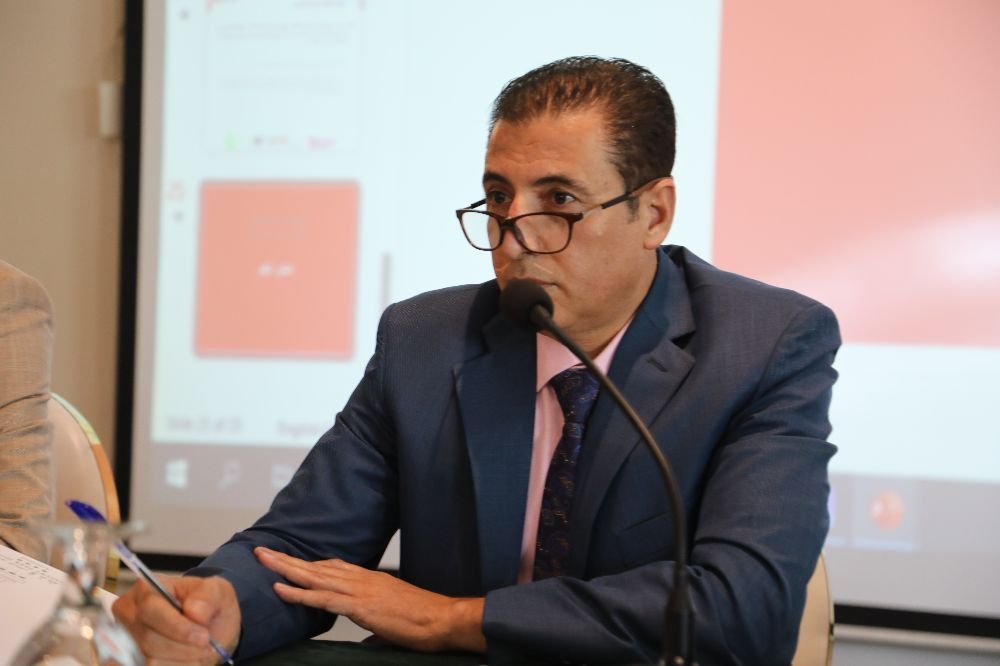
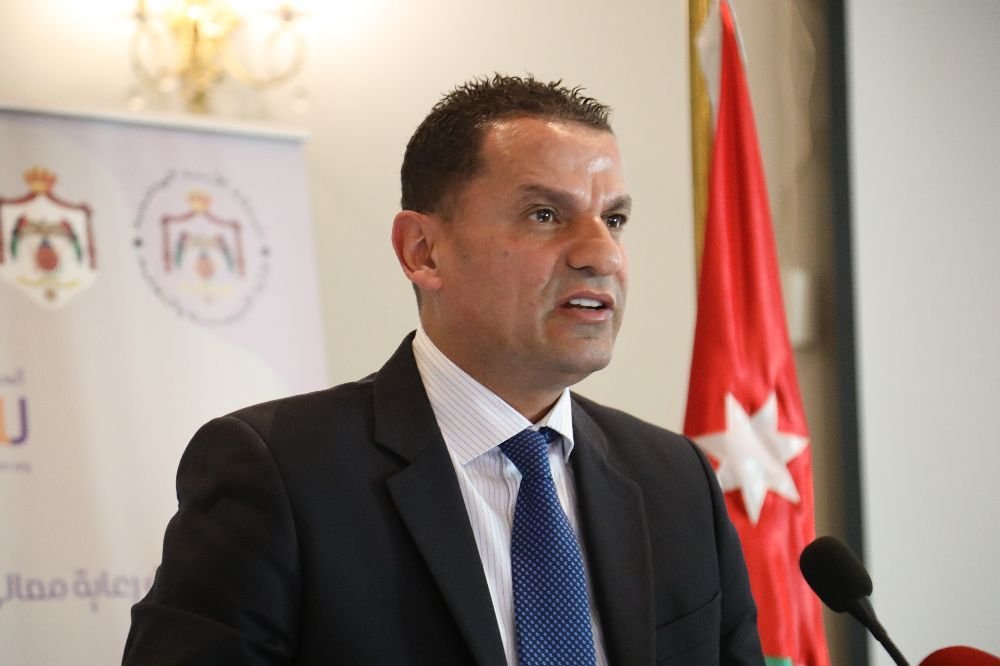
Dr. Khalil Al-Abdallat, Director of the Human Rights Unit at the Prime Ministry, stated that education is a fundamental right that must not be compromised, and that it is a responsibility borne by all states and governments. He affirmed Jordan’s firm commitment to realizing this right for all without discrimination, based on the belief that education is the only path to achieving social justice and equality among members of society. He added: “In Jordan, we are working diligently to provide quality education for all, including the most vulnerable and marginalized groups. We believe in the importance of education in empowering individuals to realize their full potential and participate effectively in building their communities.”
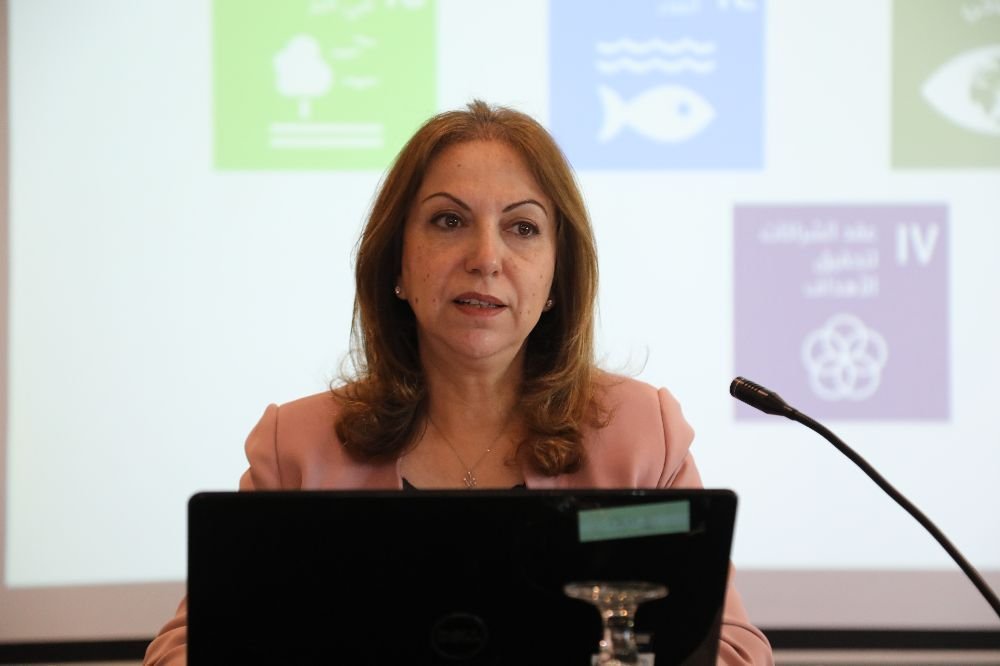
Mr. Khalil Abu Radwan, President of the Jordan Coalition for Education for All, noted that Sustainable Development Goal 4 calls for “ensuring inclusive and equitable quality education and promoting lifelong learning opportunities for all.” He emphasized its critical role in addressing global challenges in the education landscape, preparing for the evolving labor market, and building adaptability. He also called for adopting a broad understanding of education outcomes so that education can play its role in changing realities, achieving social justice, sustainable development, and individual and collective freedom, contributing to peace, and building the values, knowledge, attitudes, skills, and behaviors needed to live in harmony with oneself, others, and the environment. He stressed that transforming education is no longer merely an option, but an urgent necessity to keep pace with the demands of the modern era and achieve sustainable progress in our societies.
The conference included a special session titled “Strengthening Partnerships and Collective Solidarity toward Commitment to Transforming Education.” The session focused on ensuring the implementation of the Jordanian Ministry of Education’s strategic plan, which requires greater contributions from all stakeholders to support and invest in education, alongside the Ministry’s openness to cooperation and solidarity to guarantee the right to education.
In their final statement, participants called for the need to apply a culture of transformational leadership across the various departments and structures of the Ministry of Education, in order to develop skills and capacities related to planning, organization, guidance, implementation, monitoring, and evaluation. They also called for integrating transformative education into pre-service and in-service teacher training programs to keep pace with modern educational principles and their standards and values; embedding these principles in appropriate curricula for a rapidly changing world increasingly shaped by the Fourth Industrial Revolution; applying social justice by ensuring that the education sector receives adequate financing and appropriate training for its staff to lead change effectively toward sustainable development; ensuring that all learners have equal opportunities to access high-quality education; and focusing on strengthening a culture of peace, non-violence, and peaceful conflict resolution in a world witnessing increasing conflicts.